 Retro Replay Retro Replay gaming reviews, news, emulation, geek stuff and more!
Retro Replay Review
Gameplay
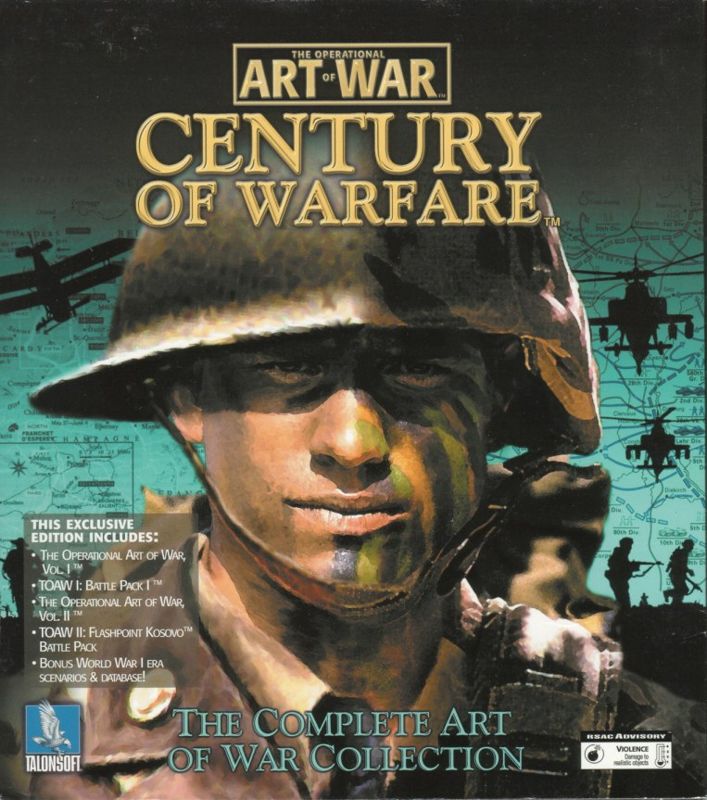
The Operational Art of War: Century of Warfare offers a deep, multifaceted wargaming experience centered on the operational level of conflict. Players can choose from a comprehensive collection of scenarios spanning World War I, World War II, post-war engagements, and more niche confrontations like Kosovo. Each scenario challenges the player to think strategically, balancing logistics, unit cohesion, and terrain advantages. Whether you’re commanding a division in a 1914 trench offensive or orchestrating armored thrusts in a Cold War standoff, TOAW’s engine accommodates a vast range of operational challenges.
(HEY YOU!! We hope you enjoy! We try not to run ads. So basically, this is a very expensive hobby running this site. Please consider joining us for updates, forums, and more. Network w/ us to make some cash or friends while retro gaming, and you can win some free retro games for posting. Okay, carry on 👍)
At the heart of Century of Warfare lies its robust scenario editor. This tool empowers players to create or modify conflicts from 1900 to 2000 with precision: design maps up to hundreds of hexes across, place company- to army-sized units, and configure each formation’s equipment roster. The event editor further enriches customization by letting creators script reinforcements, weather changes, and diplomatic twists. Thanks to the “opart” and “opart 300” modes, you can toggle between standard and large-scale maps, ensuring your hypothetical Arab–Israeli war or alternate-history Europe clash runs exactly as you envision.
Aside from custom design, the built-in AI opponent offers competent—but not infallible—challenge. The AI’s decision-making shines when adhering to set objectives and supply chains, though savvy players can outmaneuver it with unexpected flanking maneuvers or well-timed breakthroughs. Multiplayer options include hotseat and PBEM, making Century of Warfare a social affair for those who prefer plotting strategies with friends or rival commanders across the globe. Overall, the gameplay strikes a delicate balance between historical simulation and player agency.
Graphics
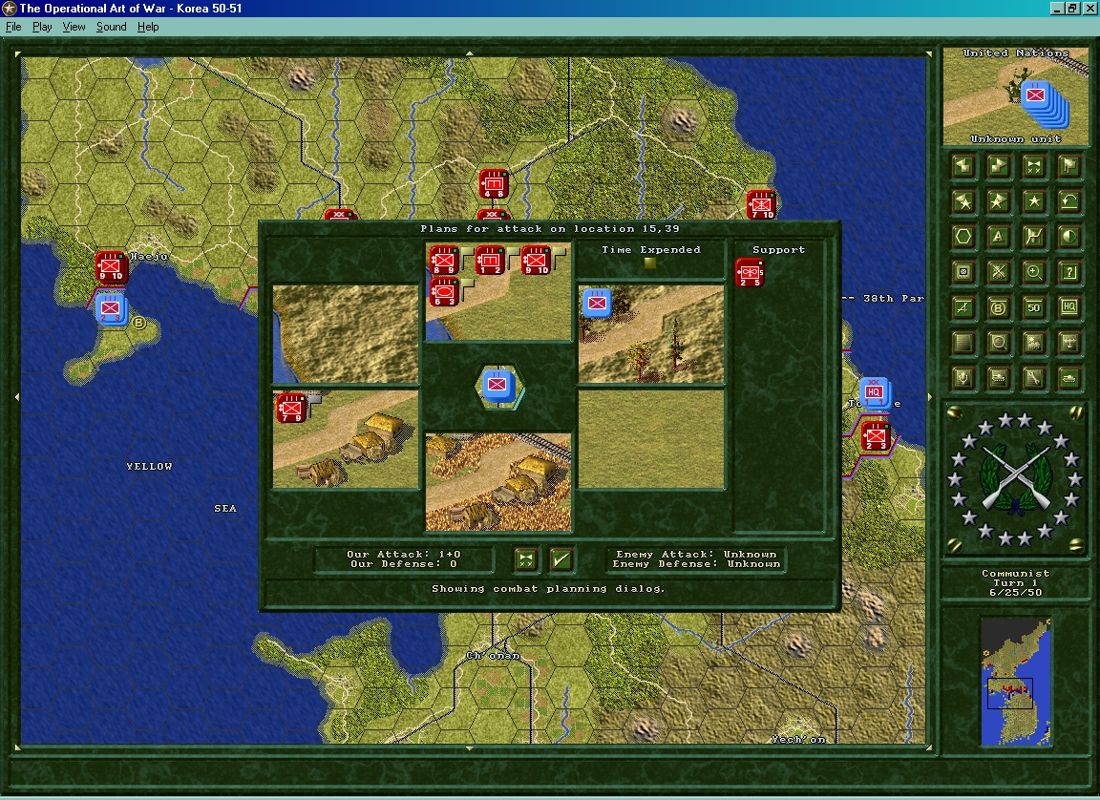
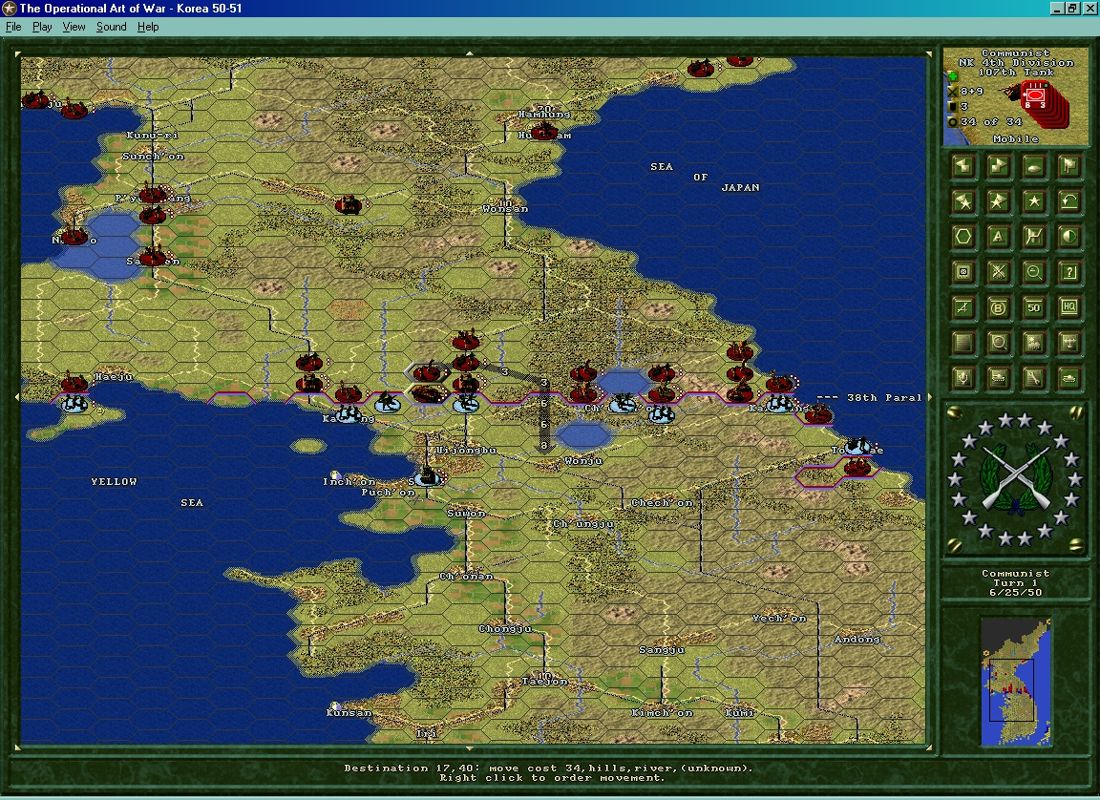
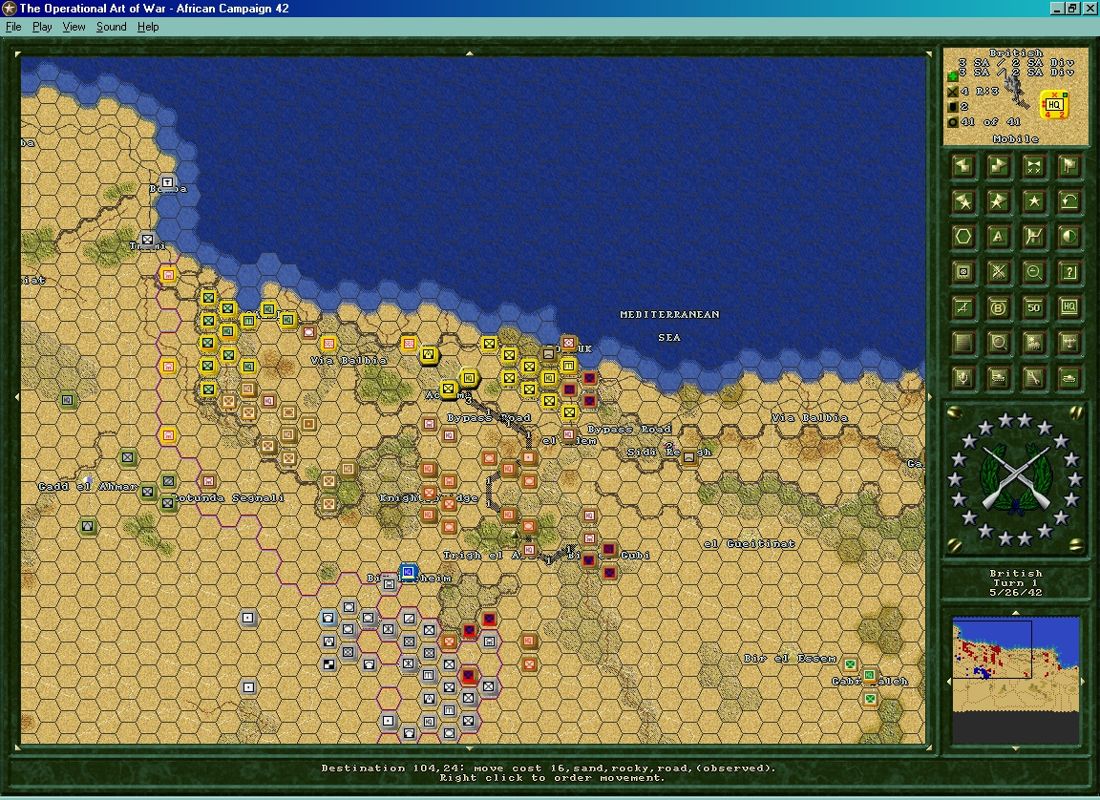
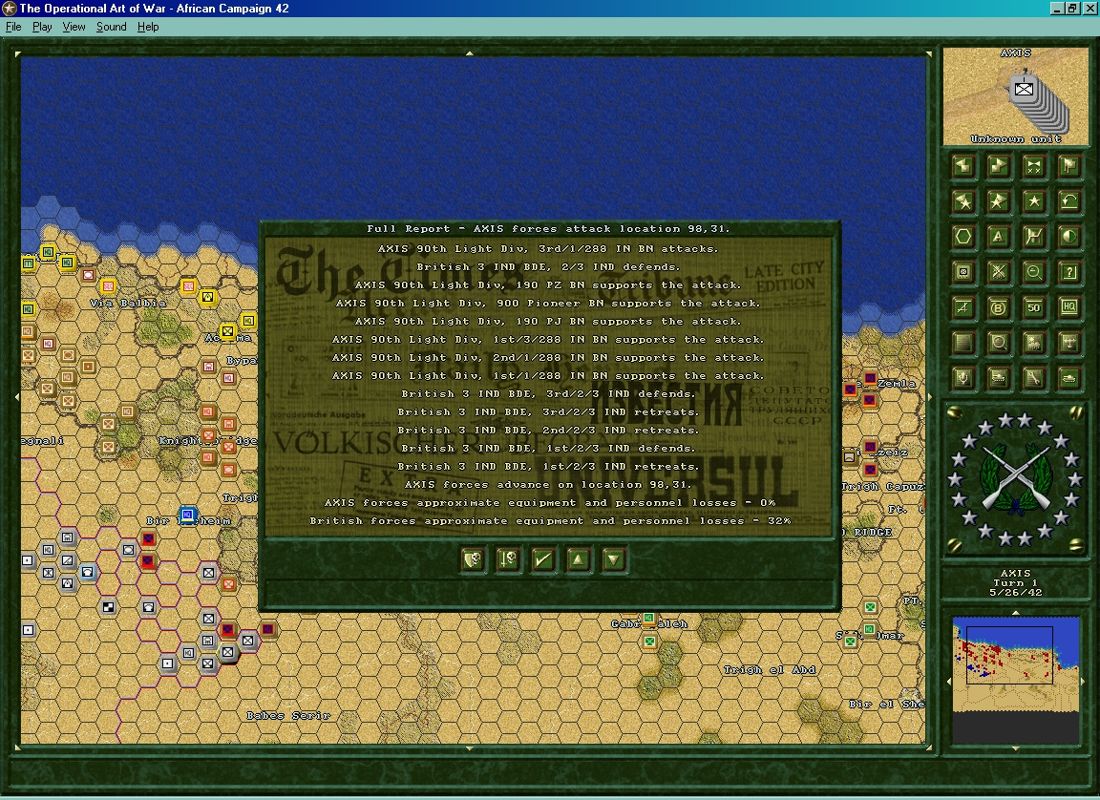
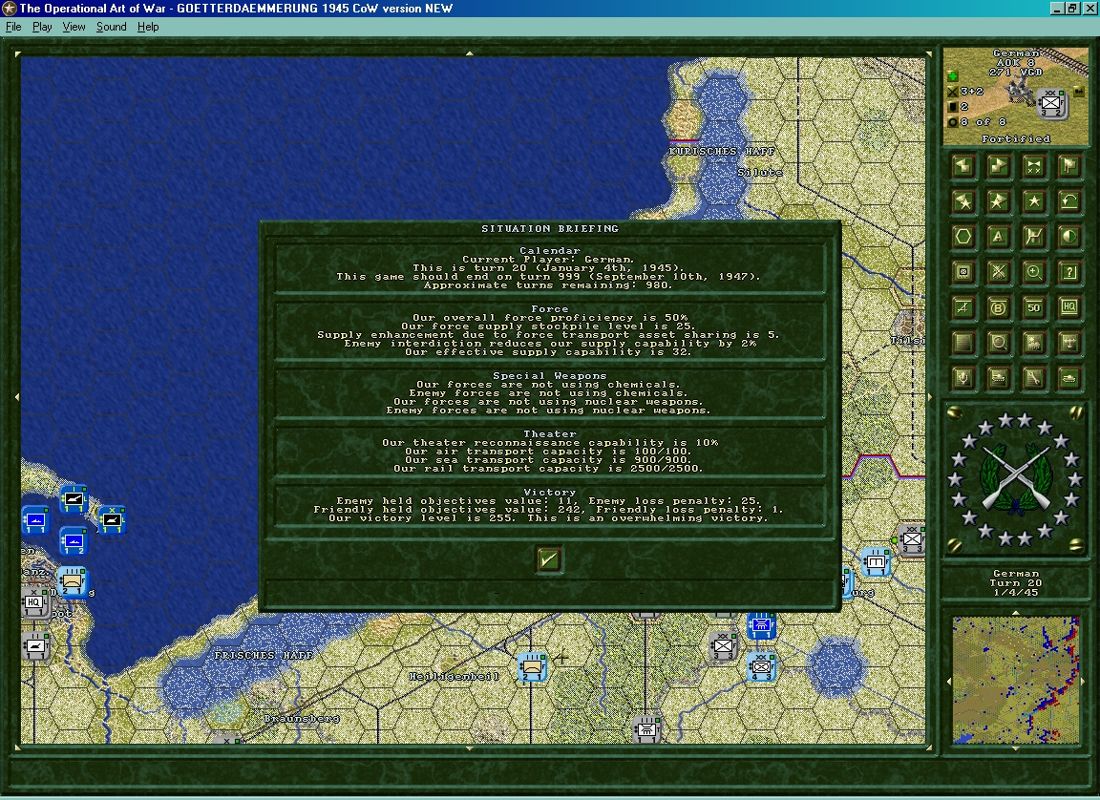
Graphically, Century of Warfare remains faithful to the classic hex-and-counter style of traditional wargames. Unit counters are clearly labeled, color-coded, and convey essential statistics at a glance—attack, defense, movement points, and supply status. While there are no lavish 3D battlefields or cinematic cutscenes, the clean, uncluttered interface ensures that vital information never gets lost amid visual clutter.
The map layers are well-designed for tactical clarity. Terrain types such as forests, hills, rivers, and urban areas are distinctly rendered, impacting movement costs and combat modifiers. Gridlines are subtly drawn to help players gauge distances and plan advancing lines without overwhelming the display. Zoom functions work reliably, allowing for close-ups of hotspots or a broad operational overview when orchestrating large-scale offensives.
Custom editors also permit the import of user-created graphics—unit icons or terrain overlays—giving modders the opportunity to refresh the visual palette. Though visually modest by modern standards, the graphical presentation is purposeful: every pixel serves the purpose of conveying battlefield realities and facilitating sound decision-making, rather than indulging in aesthetic spectacle.
Story
As a grand strategy wargame, Century of Warfare does not deliver a linear narrative or scripted character arcs. Instead, its “story” emerges from your tactical and operational choices. Each scenario offers historical context—briefings on strategic objectives, force dispositions, and political stakes—immersing you in the dilemmas faced by real commanders. In a WWI scenario, you’ll feel the bleak stalemate of trench warfare; in a 1960s Cold War engagement, you’ll wrestle with the threat of escalation under nuclear shadow.
The inclusion of diverse eras and theaters equips players to explore alternate histories. What if Germany had deployed different armored formations in 1944? How might logistics have reshaped the Normandy breakout? As you tweak scenarios or create your own, the unfolding “story” becomes a sandbox of “what-ifs,” encouraging experimentation and replayability. This open-ended narrative design is a hallmark of operational-level simulations—immerse yourself, and the game pens its own tale.
Community scenarios heighten this narrative potential. Fan-made campaigns often incorporate cleverly scripted events, surprise reinforcements, or dynamic victory conditions that keep veteran players on their toes. By blending historical authenticity with user creativity, Century of Warfare transforms raw data into compelling strategic dramas—your decisions become the plot twists.
Overall Experience
The Operational Art of War: Century of Warfare stands out as a comprehensive, highly customizable wargame that caters to both hardcore strategists and scenario editors. Its strength lies in the depth of its mechanics: supply lines, command ranges, terrain effects, and event scripting all interlock to produce granularity without drowning players in micromanagement. If you relish poring over detailed orders of battle and devising multi-phase offensives, TOAW delivers unmatched operational fidelity.
That said, the learning curve can be steep. Newcomers may find the interface daunting and the rule set dense. However, a thorough manual and active online community provide abundant tutorials, scenario downloads, and modding advice. Once past the initial acclimation, the game’s flexibility and strategic richness become genuinely addictive.
In an age of flashy graphics and streamlined gameplay, Century of Warfare reminds players why traditional wargames retain a devoted following: they prioritize thoughtful planning, historical depth, and player-driven storytelling over instant gratification. Whether you’re a veteran of the Operational Art of War series or a newcomer seeking an uncompromising operational wargame, Century of Warfare offers a satisfying sandbox to test your mettle from 1900 through 2000—and beyond.


Reviews
There are no reviews yet.