 Retro Replay Retro Replay gaming reviews, news, emulation, geek stuff and more!

Retro Replay Review
Gameplay
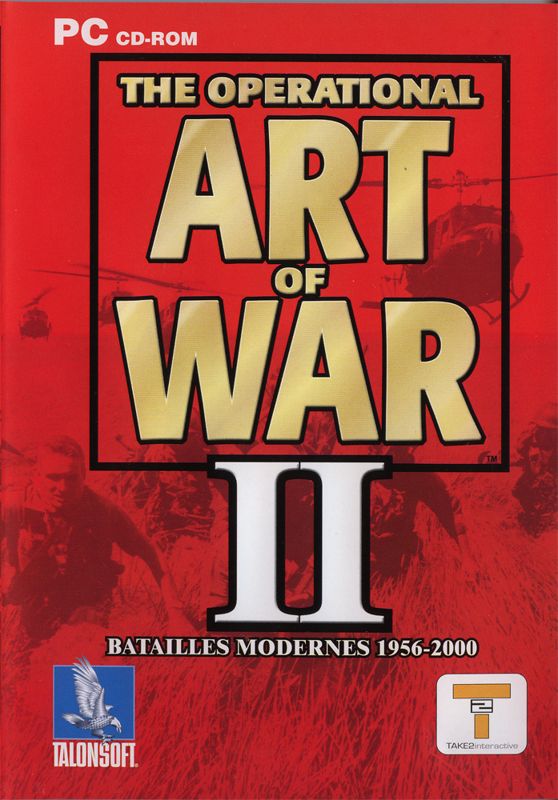
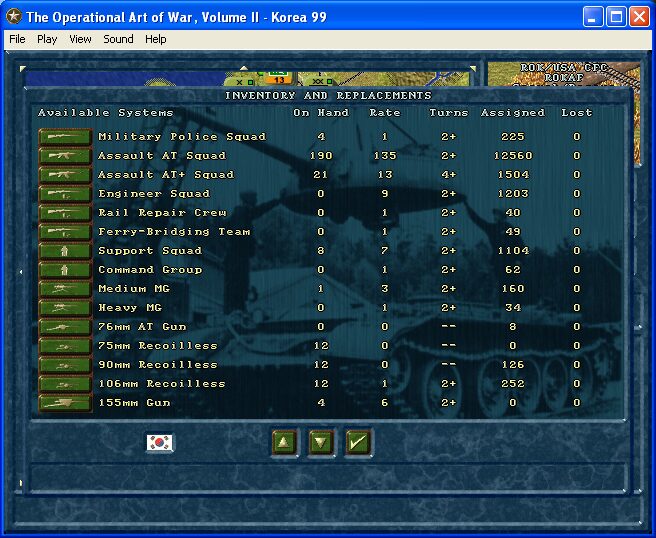
The Operational Art of War II: Modern Battles 1956-2000 delivers an exceptionally deep and granular wargaming experience. Unlike many strategy titles where units are simply icons with static statistics, TOAW II models each unit as a multi-faceted organization comprising individual vehicles, weapons systems, and squads. Every element—be it a tank platoon or an infantry squad—has its own experience rating, fatigue level, and supply status, forcing players to think like real commanders.
(HEY YOU!! We hope you enjoy! We try not to run ads. So basically, this is a very expensive hobby running this site. Please consider joining us for updates, forums, and more. Network w/ us to make some cash or friends while retro gaming, and you can win some free retro games for posting. Okay, carry on 👍)
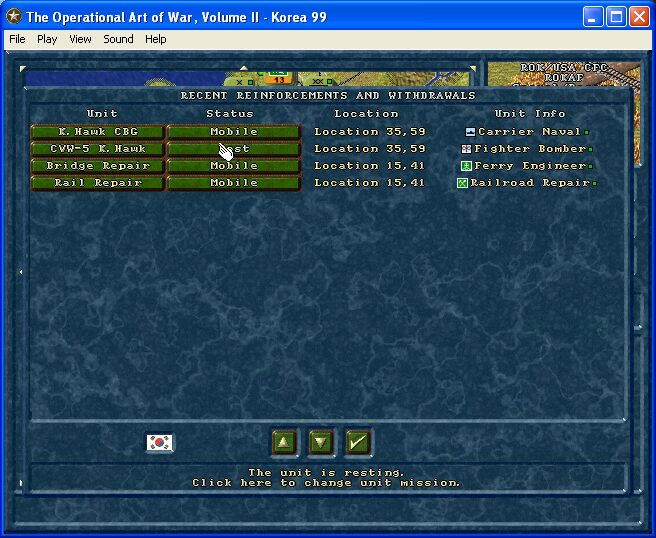
Supply lines and logistics are front and center in TOAW II. Your forces require fuel, ammunition, and food, and mismanaging any of these resources leads to decreased combat effectiveness. Units will tire as they move or fight, and without proper rest and resupply, even elite veterans can falter. This emphasis on realistic supply management elevates the game from a mere tactical board game simulation into a genuine operational-level challenge.
Another highlight is the robust scenario editor, which allows players to craft custom campaigns ranging from minor border skirmishes to full-scale conflicts spanning weeks of real time. The editor is surprisingly accessible given the game’s depth, providing a suite of tools for terrain modification, order-of-battle customization, and victory-condition scripting. Combined with dozens of built-in scenarios covering historical engagements from the Suez Crisis to the end of the Cold War, TOAW II offers near-infinite replayability.
Graphics
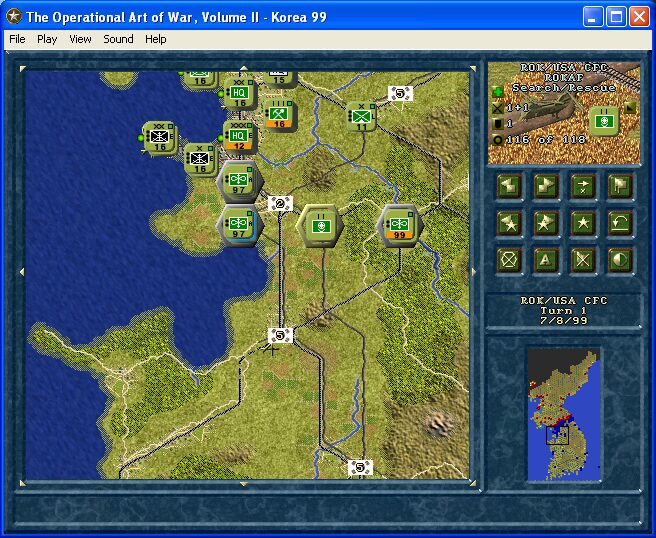
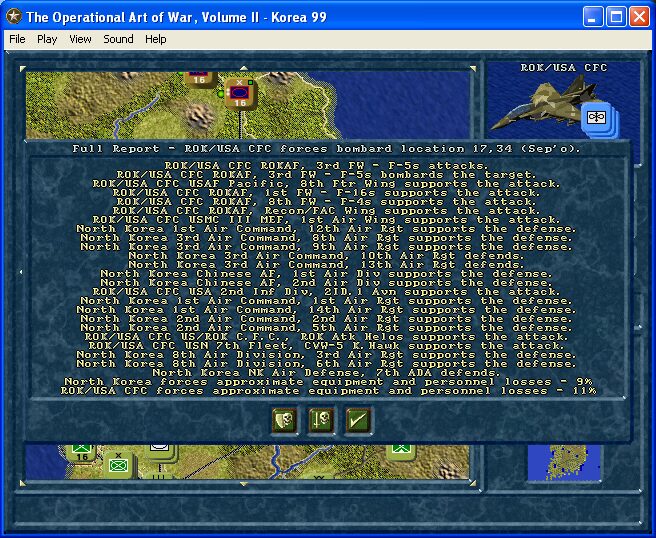
Graphically, The Operational Art of War II opts for function over flashy visuals. The map interface is clean and uncluttered, using clear hex-based grids and color-coded terrain to denote forests, urban centers, and elevation changes. While this approach lacks the sheen of modern real-time strategy titles, it makes vital tactical information immediately legible.
Unit counters are well-designed, displaying essential data such as unit type, strength, and current supply status. Hovering over a counter reveals a detailed tooltip with in-depth statistics, including morale, fuel levels, and experience. This level of transparency keeps you fully informed, though it does contribute to the steeper learning curve newcomers might face.
Animations are minimal—movements and combat are represented by simple icon transitions and combat result tables—but they’re speedy and never impede the game flow. If you prize substance over spectacle, the utilitarian aesthetic of TOAW II will feel perfectly at home, ensuring that you spend your time planning maneuvers rather than waiting on rendering effects.
Story
TOAW II doesn’t offer a traditional narrative campaign with cutscenes, but it tells countless stories through its meticulously researched scenarios. Each battle encapsulates the tensions and complexities of Cold War-era conflicts, from the high-stakes diplomacy of the Middle East to proxy wars in Southeast Asia. The absence of a forced storyline gives players freedom to explore “what-if” situations and alter historical outcomes.
The historical context provided in scenario briefings is concise yet informative, outlining political backgrounds, order-of-battle compositions, and victory conditions. These synopses help you understand why certain units start where they do and what strategic objectives they must achieve. As you play through each scenario, you’ll develop an appreciation for the interplay of geography, technology, and doctrine that shaped 20th-century warfare.
For those seeking deeper immersion, community-made scenarios and mods expand the chronological range and thematic scope. Whether you want to simulate a hypothetical Warsaw Pact invasion of Western Europe or reenact actual engagements like the Yom Kippur War, the game’s scenario library is a historian’s playground—and a storyteller’s canvas.
Overall Experience
The Operational Art of War II: Modern Battles 1956-2000 is tailor-made for dedicated wargamers who crave a comprehensive simulation of operational-level combat. Its steep learning curve can be a hurdle for casual players, but the payoff is a game that rewards meticulous planning, creative logistics, and adaptive tactics. Patience and attention to detail will be richly rewarded.
Performance-wise, the game runs smoothly on modest hardware, thanks to its minimalistic graphical requirements. Multiplayer support, both hotseat and play-by-email, extends the fun, allowing you to test your strategic mettle against friends or the broader TOAW community. The scenario editor’s depth ensures that you’ll never run out of content, either by crafting your own battles or downloading user-created campaigns.
In summary, TOAW II stands out as one of the most realistic and flexible operational wargames available. Its emphasis on authentic unit behavior, logistics, and historical fidelity makes it an indispensable title for enthusiasts of modern military history. If you’re looking for a sandbox in which to master the operational art of war, this game is an excellent—and enduring—choice.


Reviews
There are no reviews yet.