 Retro Replay Retro Replay gaming reviews, news, emulation, geek stuff and more!





Retro Replay Review
Gameplay
The Pink Panther: Passport to Peril unfolds as a classic point-and-click adventure, tailor-made for a younger audience eager to explore the globe. Players guide the suave Pink Panther through a series of colorful screens, clicking on hotspots to uncover puzzles, hidden items, and cultural tidbits. The interface remains intuitive throughout, ensuring even first-time adventurers can dive in without frustration.
(HEY YOU!! We hope you enjoy! We try not to run ads. So basically, this is a very expensive hobby running this site. Please consider joining us for updates, forums, and more. Network w/ us to make some cash or friends while retro gaming, and you can win some free retro games for posting. Okay, carry on 👍)
Puzzles are designed with simplicity in mind, often revolving around collecting specific objects and delivering them to the right character. While this fetch-quest structure may feel straightforward to seasoned gamers, it suits the target demographic perfectly, fostering a sense of achievement as each riddle is solved with minimal hand-holding. The occasional trap or obstacle adds just enough variety to prevent monotony without overwhelming younger players.
One of the standout gameplay features is the hide-and-seek mini-game, where children must spot camouflaged characters within intricate backdrops. This mode encourages observation skills and rewards patience, offering a delightful change of pace from the standard puzzle-solving. Combined with probeable dialogue options and light stealth segments—where avoiding bumbling spies keeps the stakes exciting—Passport to Peril balances action with education.
Graphics
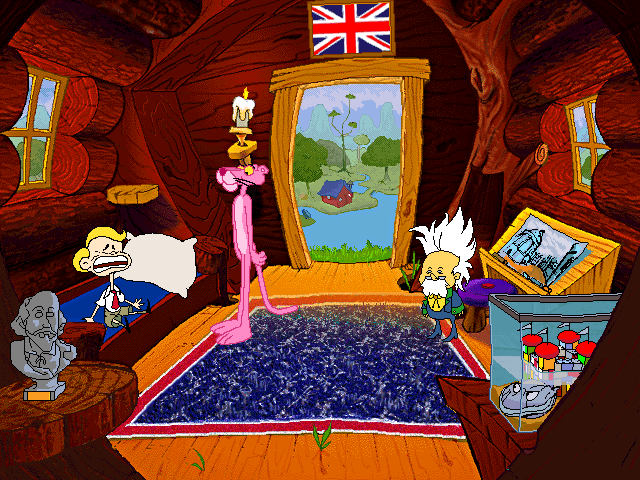
The visual style of Passport to Peril embraces the Pink Panther’s signature cartoon aesthetic, employing bold outlines, bright primary colors, and smooth character animations. Each locale—from the bustling bazaars of Bombay to the sands of Cairo—boasts distinct, hand-drawn backgrounds rich in cultural details. Landmarks and local dress are rendered with an eye for authenticity, giving young explorers a genuine taste of world architecture and attire.
Character models maintain a consistent level of polish, with the Pink Panther’s fluid gestures and trademark nonchalance faithfully recreated. NPCs—whether they’re local guides, mischievous spies, or the children under Panther’s protection—display quirky animations and supportive voice clips, enhancing the game’s immersive feel. Subtle ambient motions, such as fluttering flags or gently swaying palm trees, add life without distracting from gameplay.
While the resolution and texture detail are modest by modern standards, they suit the game’s late-90s heritage and system requirements. Backgrounds are clear and uncluttered, ensuring hotspots are easy to spot. In essence, the graphics strike a perfect balance: vibrant enough to captivate kids, yet straightforward enough to keep the focus on exploration and puzzle-solving.
Story
Passport to Peril casts the Pink Panther in his most globe-trotting adventure yet, tasked with safeguarding the offspring of world leaders to maintain international harmony. As an insidious plot unfolds, our whiskered hero must outwit bumbling spies, disarm simple traps, and ensure no harm comes to his precious charges. This premise, equal parts charming and adventurous, frames each puzzle as a mission-critical jump in preserving world peace.
The narrative unfolds through brief cutscenes and in-game conversations that seamlessly integrate cultural education with espionage thrills. For example, while navigating the Himalayas, the Panther may exchange pleasantries about local traditions before intercepting a sneaky agent’s coded message. These story beats gently teach players about diverse religions, customs, and geography without feeling like a lecture.
Although the overarching plot remains linear, subtle humor and playful misdirection keep children engaged. The Pink Panther’s trademark curiosity and stealthy antics provide lighthearted relief, and the stakes—protecting children and uncovering a spy ring—are always clear. This straightforward storytelling ensures youngsters stay motivated, eager to see which exotic destination awaits next.
Overall Experience
The Pink Panther: Passport to Peril delivers a delightful blend of education and entertainment. Its gentle pacing, clear objectives, and vibrant locales encourage kids to learn about different cultures while honing basic problem-solving skills. The hide-and-seek segments and mild stealth mechanics add necessary variety, ensuring sessions feel fresh from Bombay to London and beyond.
Though older or more experienced players may find the challenges elementary, this simplicity is precisely what makes Passport to Peril shine for its intended audience. The game’s modest system requirements also mean it runs smoothly on a wide range of hardware, making it accessible to families seeking wholesome edutainment without technical headaches.
In the end, The Pink Panther: Passport to Peril stands as a charming, educational adventure that transforms globe-trotting into a playful quest. Young gamers will appreciate the colorful graphics, intuitive point-and-click interface, and culturally rich storytelling—while parents can rest assured their children are learning about world customs in an engaging, spy-tastic package.



Reviews
There are no reviews yet.