 Retro Replay Retro Gaming History, Reviews & Emulation

Retro Replay Review
Gameplay
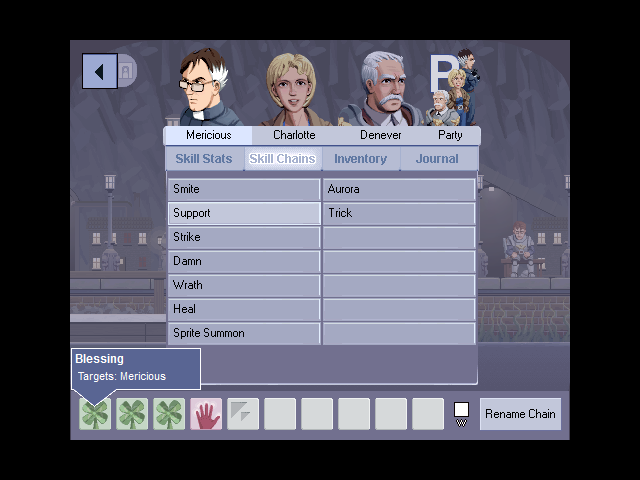
The first stretch of The Spirit Engine II has a good, direct pull: you choose three characters from a group of nine, start taking work from NPCs, and quickly learn that your party choice matters because you will live with that trio through the game’s fights and equipment decisions. It is a refreshingly focused setup for an RPG. Rather than handing you a huge cast all at once, it asks you to commit and make that small team work.
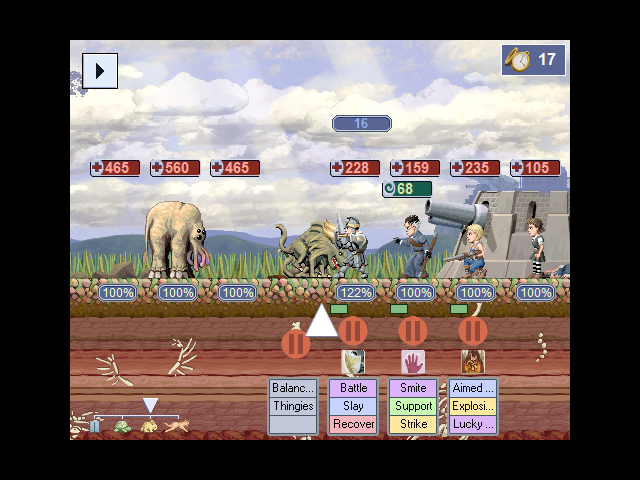
Combat is where the sequel earns its name. This is a side-scrolling RPG, but battles run in real time and demand tactical attention instead of the usual turn-by-turn routine. That creates a more active rhythm than a conventional menu-driven RPG: you are not simply selecting an action and relaxing while everyone takes their turn. If you like party RPGs but want battles to feel less static, this is the strongest reason to play it.
The quest-and-reward loop is familiar in the useful way. NPCs offer quests, enemies grant experience, some quests also contribute experience, and money or found items let you equip the party. None of that is revolutionary, but it gives each outing a clear purpose. The possible frustration is largely in the commitment: choosing only three of nine characters means you should pick a group whose approach you genuinely want to explore, rather than expecting to use everyone at once.
Difficulty options are a welcome addition because real-time tactical combat can be demanding in a different way from turn-based combat. You can choose how punishing you want that pressure to be, which makes the game more approachable without removing the underlying appeal of managing a party under fire.
Graphics
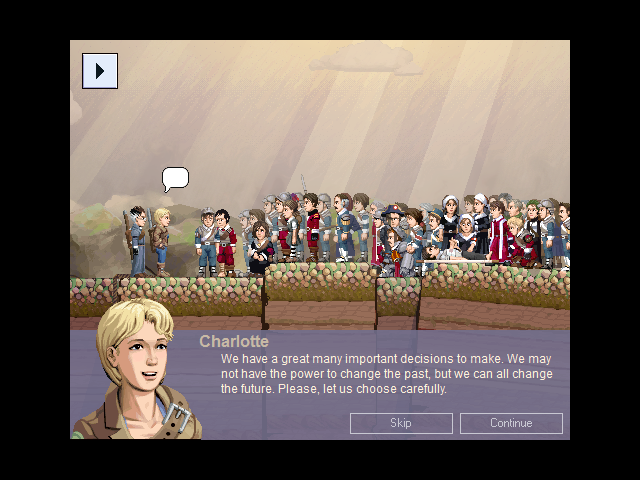
The game uses a side-scrolling view, and its improved graphics over the first Spirit Engine give this sequel a cleaner, more polished look. The straightforward perspective also suits the combat well, keeping the action focused on the party and its opponents rather than burying tactical information in a busy battlefield.
Story
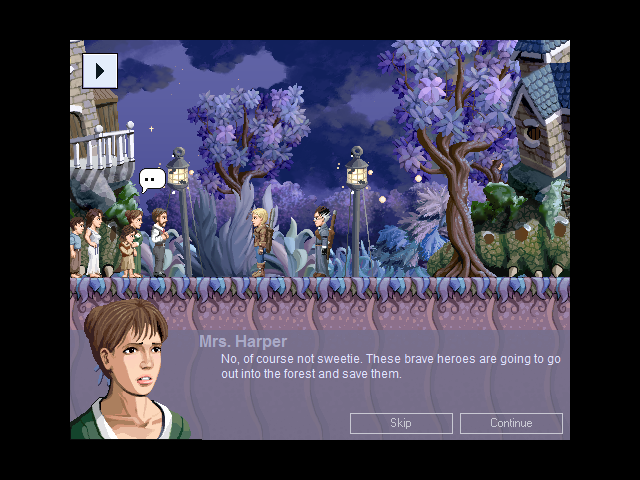
Lereftain is not introduced as a comfortable fantasy kingdom waiting for a hero to tidy it up. Murderous cults are active in the streets, political tension is climbing, war looks close, and the country’s inhuman rulers appear to be slipping. That is a strong foundation because the danger feels broader than any single quest.
The story’s mood is one of instability. You are adventuring in a place where institutions are failing and violence is already part of daily life, which gives ordinary RPG tasks more weight than they might have in a lighter setting. The central conflict has enough menace to keep the questing from feeling disconnected from the world around it.
It also helps that this is a new story rather than a simple retread of the original game’s narrative. You do not need a radically different genre premise here; you get a sequel that returns to the same kind of world and combat-driven RPG structure with fresh trouble to confront.
Overall Experience
The Spirit Engine II is a confident sequel for anyone who enjoys a compact RPG with real-time tactical battles. Its best quality is the way it combines a manageable party size with a larger selection of characters: you have meaningful choice at the start, then a reason to learn the strengths of the team you selected.
It will land best if you enjoy quest-based progression and do not need every RPG to sprawl in ten directions at once. The game sticks to dependable fundamentals—quests, experience, equipment, party building—while the altered combat system supplies the urgency. That is a better fit for you if you want steady forward momentum than if you are chasing an enormous free-form adventure.
The payoff is worth it because the sequel improves the areas that matter most: combat, difficulty flexibility, and graphics, while placing its RPG loop inside a more troubled and compelling fantasy setting. An 8.1 feels fair. It is not trying to reinvent role-playing games; it is trying to make a familiar style of party RPG sharper, tenser, and more satisfying to play.


Reviews
There are no reviews yet.