 Retro Replay Retro Replay gaming reviews, news, emulation, geek stuff and more!
Retro Replay Review
Gameplay
Treasure Hunter unfolds as a point-and-click adventure that blends puzzle solving, resource management, and historical research. You step into the shoes of Tuck Pinkleton’s eager nephew, entrusted with a modest budget and a yacht to chase down sunken treasures. Each of the five missions follows a structured loop: gather background information on a particular wreck, secure additional funding, recruit a capable crew, and then set sail to recover the loot. This cycle gives the game a strong sense of progression and purpose, as you see your operation grow from a small seaside endeavor into a globe-spanning expedition.
(HEY YOU!! We hope you enjoy! We try not to run ads. So basically, this is a very expensive hobby running this site. Please consider joining us for updates, forums, and more. Network w/ us to make some cash or friends while retro gaming, and you can win some free retro games for posting. Okay, carry on 👍)
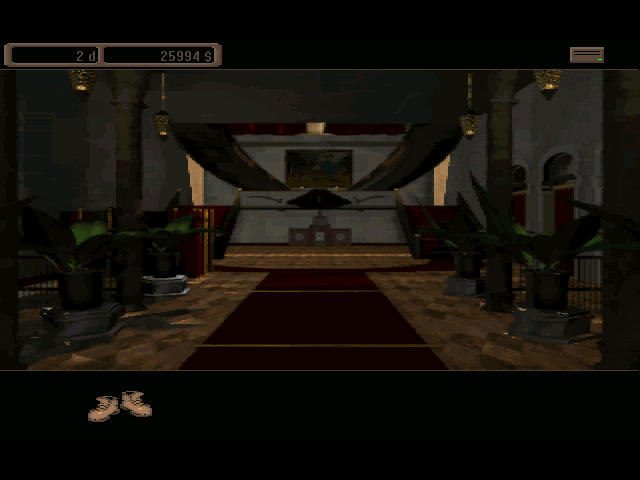
The heart of the gameplay lies in its first-person exploration mode. You navigate through environments one “node” at a time, using a directional cursor to turn, move forward, and inspect interactive objects. While movement can feel a bit stilted by modern standards, the deliberate pacing encourages players to carefully examine each scene for hidden clues. Action icons along the bottom of the screen let you pick up artifacts, check inventory items in your travel bag, access the on-board computer, or call experts via the vidphone. The mystery-solving segments are straightforward yet satisfying, rewarding patience and attention to detail.
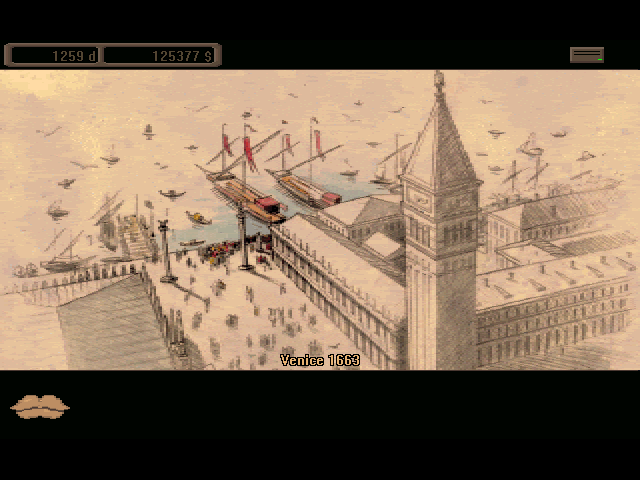
Between on-site searches, the game delivers most of its action through slide-show cut-scenes presented on your computer. These vignettes include historical facts, sketches of ship designs, and occasionally dramatic stills to illustrate underwater finds. While some players may miss real-time diving sequences, the educational angle shines through in these sequences, offering context and depth to each wreck’s story. If you ever find yourself stuck, a built-in hint system will flash your computer icon, gently steering you back on track without spoon-feeding answers.
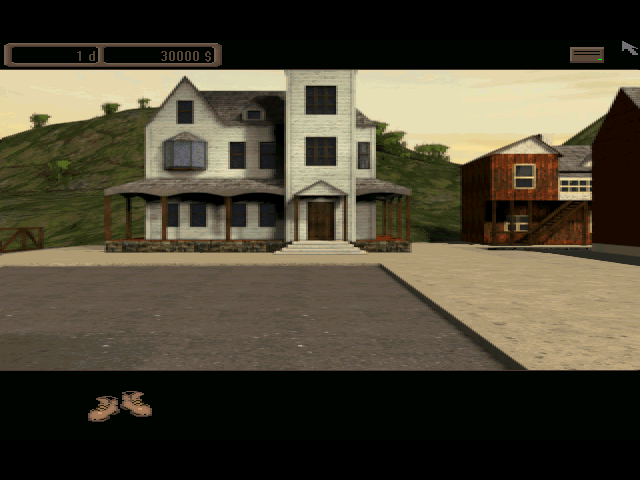
Resource management adds another layer of challenge. Starting with $30,000, you must budget for crew wages, equipment rentals, travel expenses, and unexpected costs that crop up during missions. A constantly ticking clock—displaying the number of days elapsed—keeps you mindful of deadlines imposed by sponsors or seasonal weather changes. With only six save slots that all revert to a mission’s starting location, you quickly learn to choose your save points wisely to avoid long backtracking after a misstep.
Finally, the game’s bonus menu is a delightful reward for completionists. Unlockable extras include detailed reconstructions of wrecks and treasures, digital “books” of maritime lore, and behind-the-scenes looks at the museum you’re funding. These features extend replay value by letting you revisit historical sequences independently of the main storyline.
Graphics
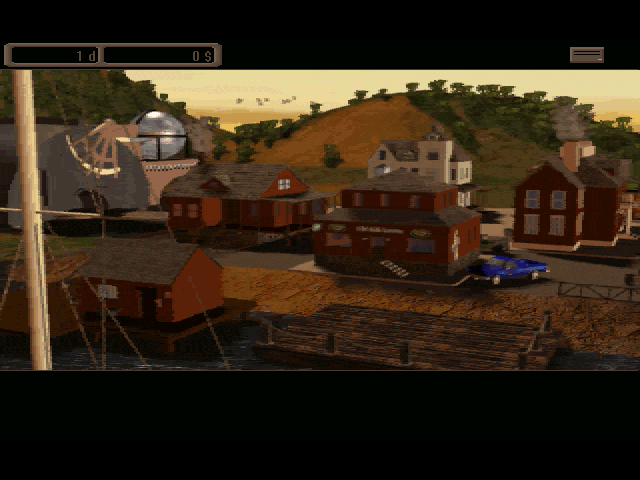
Visually, Treasure Hunter sits comfortably within the edutainment titles of the mid-1990s, combining pre-rendered backgrounds with occasional animated transitions. Each location—from the quaint docks of Golden Greek to the shadowy corridors of a Maltese abbey—boasts richly painted backdrops full of period details. Although the overall resolution may feel dated compared to today’s standards, the attention to texture and architecture conveys a genuine sense of place that fans of historical simulation will appreciate.
The slide-show cut-scenes serve a dual purpose: they advance the narrative and inject visual variety. Illustrated maps, archival drawings, and photos of recovered artifacts appear in crisp, high-contrast form, breaking the monotony of static exploration nodes. Transitional movies between scenes are brief but effective, employing simple fades and pans rather than complex animations, which keeps file sizes manageable without sacrificing immersion.
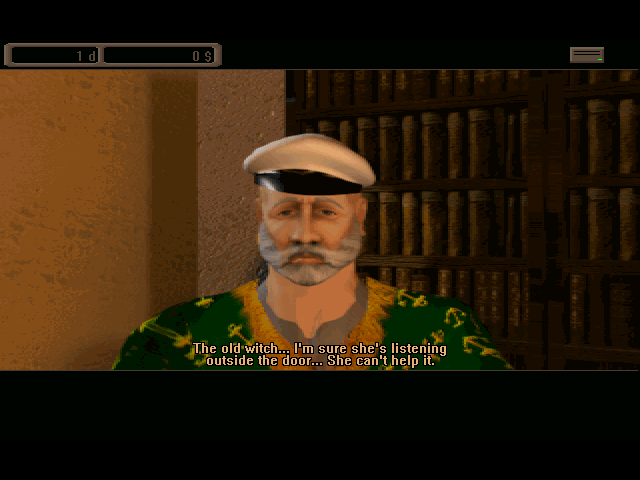
On the character front, NPCs are represented by still portraits or low-frame-rate clips, but voiceovers are absent. This silent treatment places the onus on text and visuals to carry the storytelling, and most players won’t mind the trade-off once they’re absorbed in deciphering the clues. Still, those seeking lifelike 3D models or extensive lip-synced dialogue may find the presentation underwhelming.
Inventory icons and interface elements are crisp and clearly labeled, ensuring that even newcomers to adventure games can quickly adapt to the control scheme. The directional cursor changes shape over objects you can examine or pick up, minimizing guesswork and frustration. Overall, while Treasure Hunter isn’t a graphical powerhouse, its artistic style and practical UI design strike a pleasing balance between form and function.
Story
At its core, Treasure Hunter is a narrative of legacy and discovery. You’re not merely a fortune seeker—you’re upholding your uncle’s life work by populating his grand maritime museum. This framing device infuses each mission with personal stakes: you’re protecting Tuck Pinkleton’s reputation while uncovering real historical treasures. The sense of familial motivation elevates what could have been a dry series of fetch quests into a heartfelt pursuit of knowledge.
The five missions span the globe, each one introducing a new historical era and cultural backdrop. From the rich archives of Seville’s naval museum to the labyrinthine caves of Emerald Island near Madagascar, the locales vary widely and feel anchored in authentic research. Cut-scenes deliver concise vignettes on the original shipbuilders, notable passengers, or the geopolitical significance of each wreck. These tidbits aren’t just window dressing—they often contain clues vital to solving on-site puzzles.
Dialogue is sparse but purposeful. You’ll phone experts, negotiate with funders, and exchange banter with your crew, all through typed text and portrait snapshots. While the lack of voice acting may disappoint some, the crisp writing and occasional dry humor keep interactions engaging. Your uncle’s occasional video cameo via vidphone adds a warm, guiding presence, reminding you of the personal stakes and maintaining narrative momentum.
One quirk of the story structure is its episodic nature. Each mission wraps up in a tidy package, complete with museum-ready artifacts and a handful of congratulatory messages. Though this format can feel repetitive, it also empowers players to tackle missions in any order once unlocked, providing some nonlinearity. For those drawn to historical anecdotes, this is a welcome design choice that lets you chase whichever wreck intrigues you most first.
Overall Experience
Treasure Hunter stands out as a polished edutainment adventure that marries historical scholarship with exploratory gameplay. Its orderly mission structure, clear goals, and educational cut-scenes make it an excellent choice for players who enjoy learning as they play. The hint system ensures you won’t stay stuck for long, while the budgetary and time constraints introduce meaningful decision-making that keeps each expedition tense and rewarding.
However, the game’s deliberate pacing and reliance on slideshow presentations may not suit action-oriented gamers or those craving real-time diving sequences. Movement between nodes can feel restrictive, and the lack of voice acting makes for a more text-heavy experience. That said, if you appreciate point-and-click adventures rooted in genuine research and rich backdrops, Treasure Hunter offers a depth of content few titles in its genre can match.
Replay value is bolstered by the bonus material unlocked through the main menu—virtual museum tours, artifact reconstructions, and collections of historical essays. Once you’ve completed all five missions, these extras provide ample reason to revisit the game purely for the educational value, separate from the core questline.
In summary, Treasure Hunter delivers a thoughtfully designed, historically rich exploration experience. Its blend of puzzle solving, resource management, and charity-driven storytelling crafts a memorable journey across continents and centuries. While it may not cater to every adventure fan, those with a penchant for maritime lore and methodical gameplay will find themselves fully immersed in the quest to fill Tuck Pinkleton’s museum with long-lost treasures.


Reviews
There are no reviews yet.