 Retro Replay Retro Gaming History, Reviews & Emulation
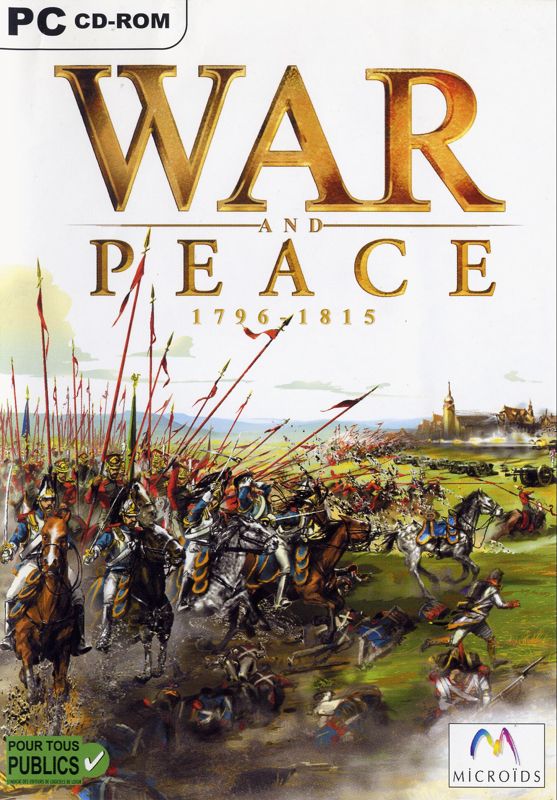
Retro Replay Review
Gameplay
War and Peace: 1796 – 1815 delivers a deeply strategic experience rooted in the Napoleonic Wars, blending battlefield tactics with high-level political and economic decision-making. From the moment you step into the tutorial mode, the game methodically walks you through fundamentals like unit formations, supply lines, and flanking maneuvers, ensuring even newcomers to hex-based wargames can grasp the essentials. The tutorial’s pacing strikes a solid balance between hand-holding and allowing experimentation, giving players confidence before they face the heat of real campaigns.
The core single-player mode invites you to reenact eight pivotal battles for France, England, Austria, and the Ottoman Empire, while Russia’s extended roster of sixteen battles offers particularly deep playtime. Each scenario is paced to challenge both your battlefield acumen and your ability to juggle logistics, diplomacy, and resource management. Victories are never assured by brute force alone—sometimes securing a coalition ally or negotiating favorable terms off the map can decide the war.
Unit diversity adds real flavor to engagements. French line infantry and Austrian grenadiers behave distinctly in morale and firepower, while cavalry charges feel weighty and consequential. Artillery placement on elevation can change the tide of battle, making terrain analysis an essential part of every plan. The seamless integration of tactical skirmishes with grand campaign maps means that winning or losing a battle has visible repercussions on city control and diplomatic standings.
Long-term strategy is where War and Peace truly shines. As your coffers swell or wane based on taxes and territorial gains, you’ll need to invest in new regiments or fortifications—and decide when to call on allies such as Prussia or Spain. This interplay of battlefield results with cabinet decisions lends a satisfying depth, ensuring that each campaign feels like an evolving story rather than a string of disconnected encounters.
Graphics
The game’s fully 3D engine renders sprawling battlefields with impressive attention to detail. From rolling hills to dense forests, every terrain type influences line of sight and unit movement, and it all looks crisp at both low and high altitudes. Zooming in reveals individual regiments of musketeers forming squares or skirmish lines, while zooming out provides a grand strategic view, letting you appreciate the scale of Napoleonic warfare.
Unit animations are fluid and realistic: cavalry charges thunder across the field, musketeers recoil with each volley, and artillery crews work methodically to reload big guns. Weather effects—rain, fog, or clear suns—impact visibility and troop morale, and the dynamic skybox transitions smoothly from dawn to dusk. This visual fidelity not only enhances immersion but also plays directly into tactical choices, as misty mornings can conceal flanking maneuvers.
Interface elements remain clean and informative, with unit cards displaying health, morale, and supply status at a glance. Camera controls are intuitive: you can rotate, pan, and zoom without awkward key combinations, making it easy to maintain situational awareness even in the thickest fighting. Thoughtful UI cues, such as highlighting units within command range or flagging diplomatically critical cities on the campaign map, help prevent oversights in the heat of multi-front wars.
While the engine excels on modern hardware, it remains scalable for mid-range PCs, ensuring broad accessibility. Faster rigs enjoy higher frame rates in massive engagements, while older systems can dial down shader quality without losing core gameplay clarity. This adaptability makes War and Peace appealing to a wide audience, from hardcore strategists to historical gaming enthusiasts.
Story
Though not a narrative-driven RPG, War and Peace weaves a compelling historical tapestry through its campaign design. Each nation’s battles are prefaced by succinct briefings that explain the strategic context, key personalities, and stakes involved—be it Napoleon’s quest for dominance or the coalition’s struggle for continental stability. These briefings set the stage effectively, encouraging players to view each engagement as part of a larger, world-shaping conflict.
As you progress, the consequences of your actions ripple across the campaign map: successful diplomacy with Prussia might secure a new front, while a defeat at Austerlitz can force harsh peace terms and reshape alliances. This branching outcome structure gives a narrative weight to every decision, transforming military victories or setbacks into evolving story arcs. The absence of scripted cutscenes keeps the pace brisk, letting you feel like an active participant in history rather than a passive observer.
Characterization of national leaders—Napoleon, Tsar Alexander, Lord Wellington—is achieved through well-written dispatches and in-game events rather than fully voiced dialogue. This minimalist approach underscores the game’s emphasis on strategy while still providing enough flavor to humanize grand strategy. Occasional flavor text about troop morale, civilian response, and supply shortages deepens immersion, making you invest in the fates of both your armies and the nations they represent.
The diplomatic layer subtly crafts its own storyline, as forging alliances or provoking hostilities can lead to unexpected theaters of war. Managing relations with the Ottomans or securing subsidies from Great Britain can turn the tide of your campaign, creating personal “what-if” narratives that extend replay value. The emergent stories—born from victory, defeat, and negotiation—become as memorable as any scripted plotline.
Overall Experience
War and Peace: 1796 – 1815 stands out as a richly detailed, historically grounded strategy title that challenges players to think beyond the battlefield. Its combination of tactical combat, campaign-level decision-making, and diplomatic nuance offers a multifaceted experience that rewards both quick thinking and long-term planning. Whether you’re rallying shattered cavalry or balancing a wartime economy, the game keeps you engaged through constant strategic dilemmas.
The learning curve can be steep for newcomers to grand strategy, but the robust tutorial and clear UI design ease the transition. Veteran wargamers will appreciate the depth of mechanics—from supply chain management to coalition politics—while history aficionados will relish commanding national armies at the height of their glory. The game’s scalable performance and adjustable difficulty settings further ensure that players of varying skill levels can find a satisfying challenge.
Multiplayer mode (when unlocked) extends the lifespan even further, allowing friends to pit their strategies against one another in classic battles or custom scenarios. Watching an old ally’s French columns crumble under your Russian squares never gets old, and the same political-economic tools you use in single player add a thrilling layer of mind games in human match-ups.
Ultimately, War and Peace: 1796 – 1815 delivers a comprehensive Napoleonic warfare simulator that blends scope with detail. Its polished presentation, engaging mechanics, and dynamic campaign system make it a must-play for anyone interested in the era or the genre. For players seeking a strategic challenge that captures the glory and agony of early 19th-century Europe, this title offers an unparalleled combination of immersion and depth.

Reviews
There are no reviews yet.