 Retro Replay Retro Replay gaming reviews, news, emulation, geek stuff and more!

Retro Replay Review
Gameplay
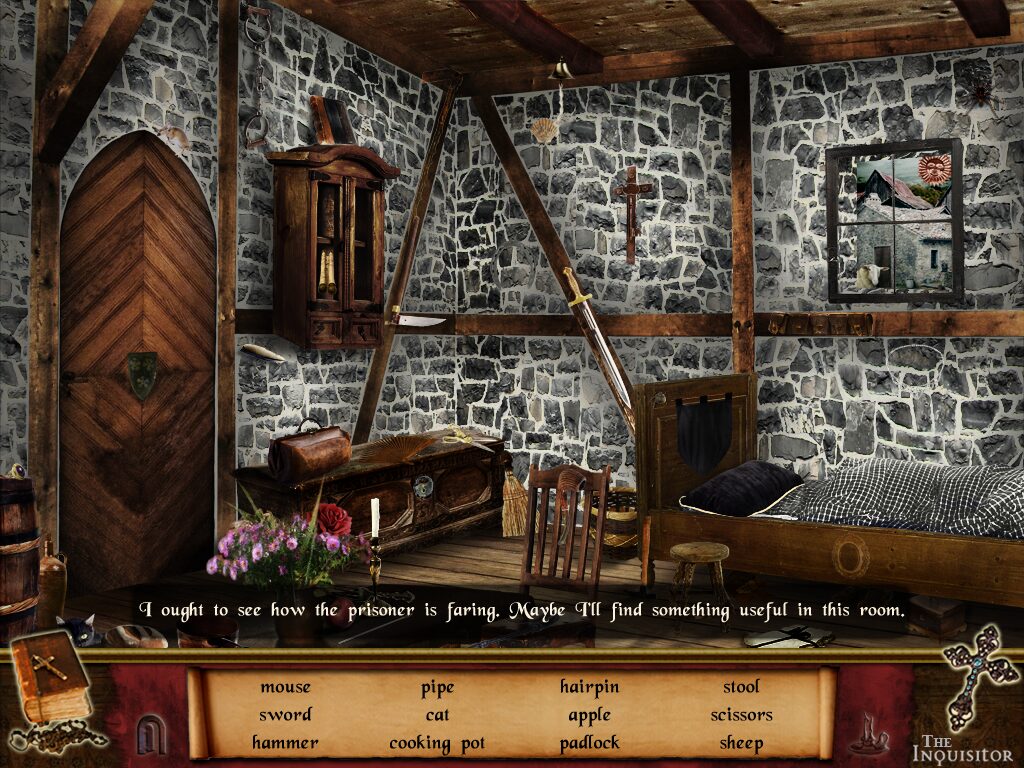
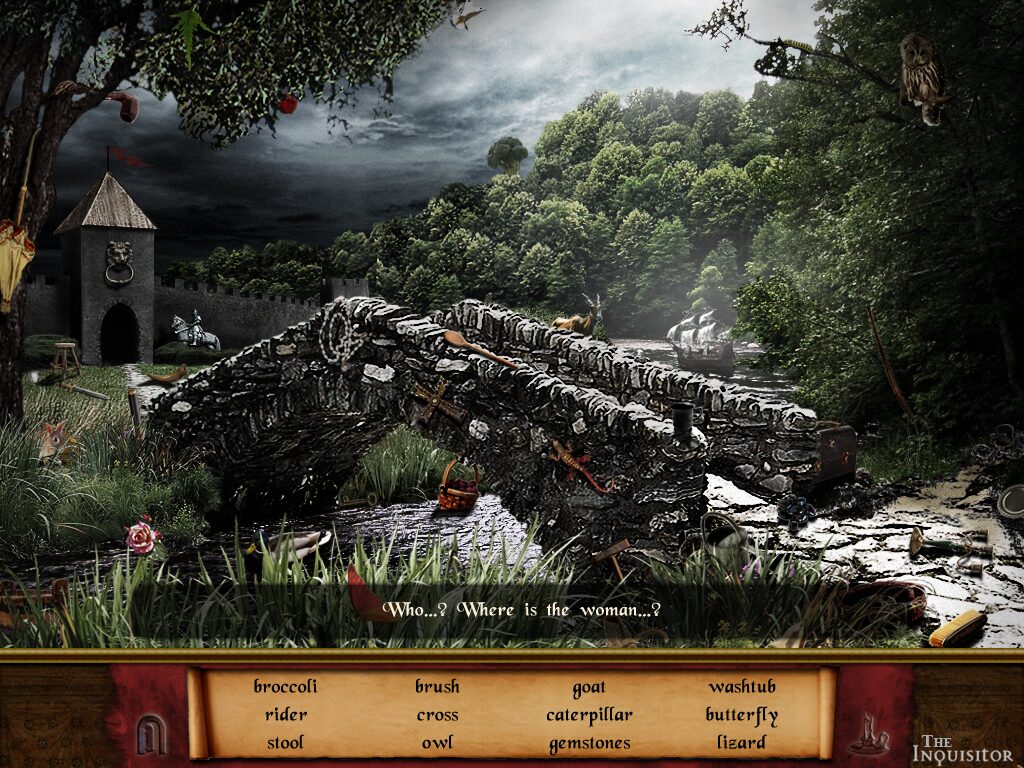
In Wolfgang Hohlbein’s The Inquisitor, the core gameplay revolves around classic hidden object mechanics blended with light adventure elements. As Tobias, the inquisitor, you explore intricately detailed scenes set within a medieval German town, searching for a variety of items listed along the bottom of the screen. This simple premise is enriched by environmental storytelling, as every nook and cranny yields clues to the unfolding mystery.
(HEY YOU!! We hope you enjoy! We try not to run ads. So basically, this is a very expensive hobby running this site. Please consider joining us for updates, forums, and more. Network w/ us to make some cash or friends while retro gaming, and you can win some free retro games for posting. Okay, carry on 👍)
The game incorporates an inventory system that allows you to store key items and use them in context-sensitive ways. Drag-and-drop interactions breathe life into the gameplay, whether you’re fitting a gear into a clockwork mechanism or placing a stolen key into a lock. These interactions pave the way for a series of stand-alone mini-games—lock-picking sequences, “find the differences” comparisons, sliding-tile puzzles, and more—that offer welcome diversions and break up the search routine.
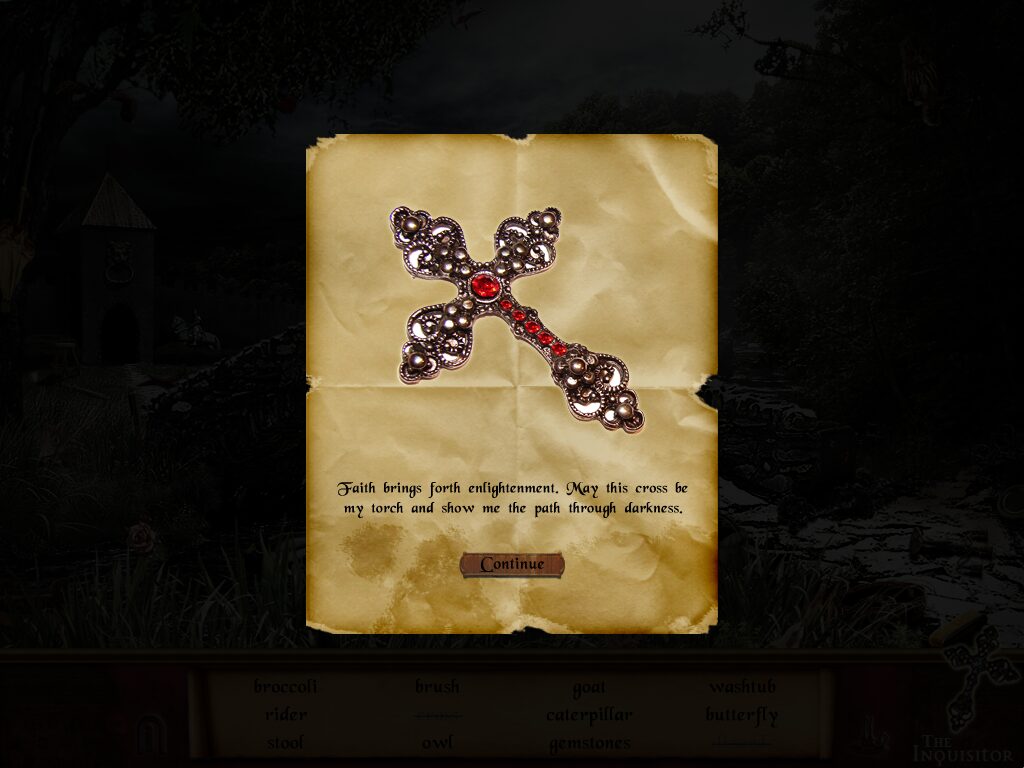
Tension is balanced by a hint system represented by a glowing cross in the corner. When activated, it highlights one elusive object, but requires a cool-down period before it can be used again. This design choice encourages careful observation rather than brute forcing every scene, and the gradual recharge time ensures it remains a strategic resource rather than a crutch.
Graphics
The visual presentation of The Inquisitor captures the gritty atmosphere of the Middle Ages with impressive fidelity. Hand-painted backgrounds and richly textured assets create an immersive world full of hidden alcoves, candlelit interiors, and shadowy backstreets. The warm color palette punctuated by flickering torchlight evokes the feeling of sleuthing by lamplight.
Item placement is thoughtfully integrated into each scene, with everyday objects—scrolls, flasks, hunting knives—artfully blended into piles of papers, toolsets, and worn furnishings. This level of detail makes every search feel rewarding, though some players may find certain items challenging to distinguish from background clutter, adding a satisfying layer of difficulty.
Animations are subtle but effective. Interactive objects glow softly when moused over, and simple cutscenes—such as villagers whispering in doorways or a storm brewing overhead—add life to otherwise static screens. Mini-games feature clean, uncluttered art styles that contrast with the main scenes, ensuring puzzles remain visually distinct and easy to engage with.
Story
Wolfgang Hohlbein’s original novel serves as the foundation for the game’s rich narrative. You assume the role of Tobias, a devoted inquisitor tasked with investigating allegations of witchcraft. As players, you’re drawn into a tightly woven plot of suspicion, superstition, and political intrigue that feels true to the dark ambiance of 14th-century Europe.
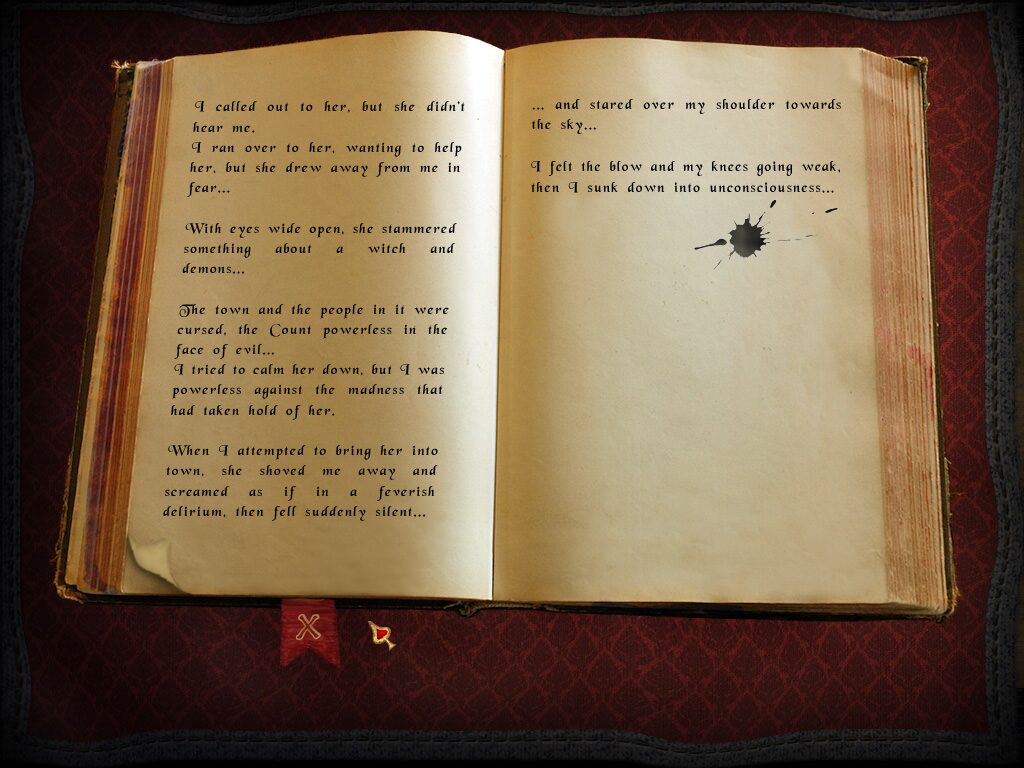
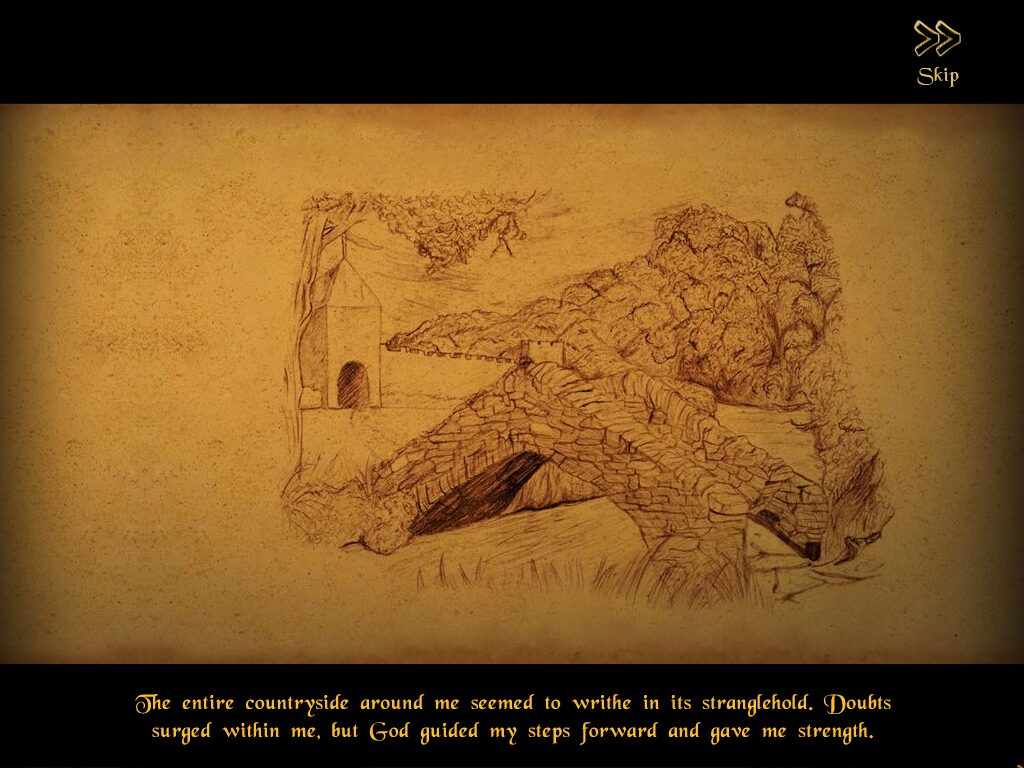
Story advances in structured intervals—between hidden object scenes and puzzles, brief text panels and voice-over excerpts reveal shifting allegiances and hidden motives. Secondary characters, from frightened villagers to unscrupulous monks, pepper the narrative with clues and red herrings, making every conversation a gamble between trust and deception.
While the central mystery maintains a steady pace, moments of genuine tension arise when the fate of the accused teeters on a knife’s edge. The game deftly balances historical detail with supernatural suggestion, leaving you questioning whether the horrors you uncover are the work of mankind or something darker beyond mortal comprehension.
Overall Experience
Wolfgang Hohlbein’s The Inquisitor offers a compelling fusion of hidden object gameplay, light adventure mechanics, and narrative depth. It will appeal to fans of story-driven puzzle games who appreciate atmospheric settings and methodical investigation over high-octane action. The balance between searching for objects, solving mini-games, and unraveling plot threads ensures a varied and engaging playthrough.
With a runtime of approximately six to eight hours, the game provides solid value, featuring enough branching paths and collectible lore items to encourage a second look. The hint system and adjustable difficulty settings make it accessible to both newcomers and genre veterans seeking a moderate challenge without frustration.
In summary, The Inquisitor stands out as a thoughtfully crafted hidden object adventure. Its evocative graphics, well-paced story, and satisfying puzzle design come together to create an experience that is as intellectually stimulating as it is visually immersive. For players intrigued by historical mysteries and detective-style gameplay, this title is a worthy expedition into the shadows of the past.



Reviews
There are no reviews yet.