 Retro Replay Retro Replay gaming reviews, news, emulation, geek stuff and more!



Retro Replay Review
Gameplay
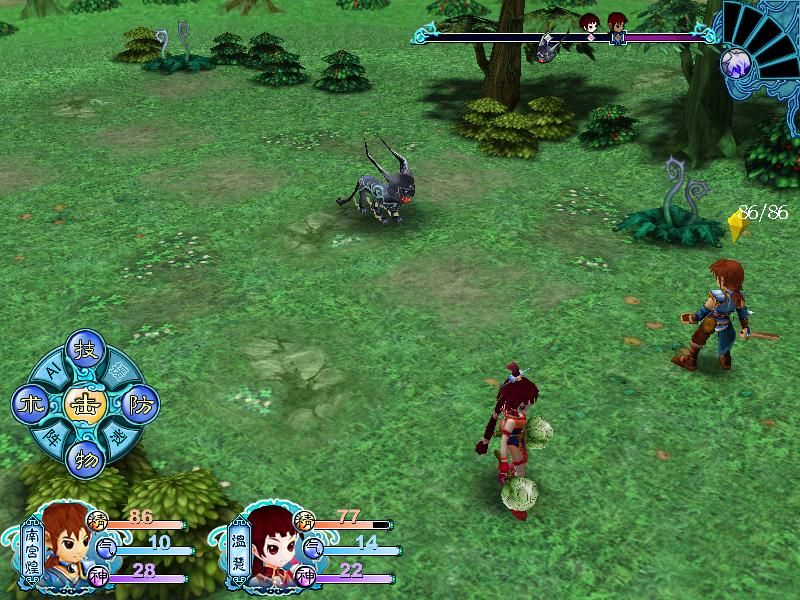
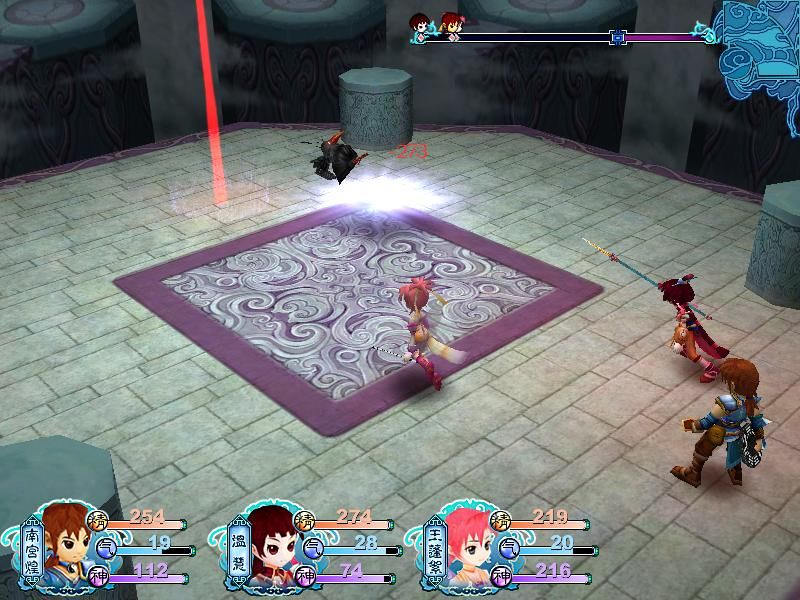
Xianjian Qixia Zhuan 3 Waizhuan: Wen Qing Pian retains the classic turn-based combat system familiar to fans of the series, but adds subtle refinements that keep battles fresh. Enemies roam visibly on the battlefield, allowing strategic avoidance or targeted engagement. When a skirmish starts, both sides’ speed indicators appear, showing action order and letting players plan combos, use defensive stances, or unleash powerful sword spells at the opportune moment.
(HEY YOU!! We hope you enjoy! We try not to run ads. So basically, this is a very expensive hobby running this site. Please consider joining us for updates, forums, and more. Network w/ us to make some cash or friends while retro gaming, and you can win some free retro games for posting. Okay, carry on 👍)
The dual energy-bar system distinguishes normal attacks from special techniques, encouraging resource management during longer dungeon crawls. One bar fuels martial arts maneuvers, while the other charges up sword magic—Xs-Accels that dazzle both visually and tactically. Grinding feels purposeful rather than tedious, as each level-up unlocks new acrobatics or elemental spells that can turn the tide against increasingly complex foes.
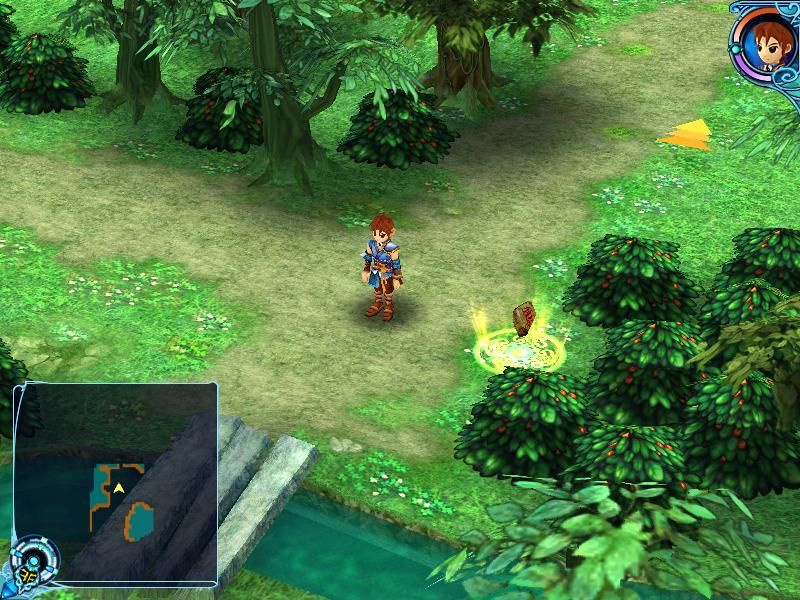
Outside of battles, exploration itself is a joy. The 3D engine lets you navigate Shu Mountain’s craggy trails, hidden caves, and bamboo groves in full freedom. Puzzles are integrated naturally—locking shrines behind elemental locks or requiring a well-timed jump to reach a chest. Although the side-story doesn’t innovate dramatically on the mainline formula, its blend of kung-fu maneuvers and mystical relic quests offers a satisfying progression curve for newcomers and veterans alike.
Graphics
Leveraging the same fully 3D engine as the main Xianjian Qixia Zhuan 3 franchise, Wen Qing Pian looks remarkably polished for a side-story title. Character models are well-proportioned, with flowing robes that react believably to each sword slash and gust of wind. Textures on rock faces, shrine ruins, and shrine interiors carry enough detail to convey age and mystique without taxing mid-range hardware.
The lighting system deserves special praise: dawn fog clings to mountain eaves, moonlight glints off sharpened blades, and the glow of elemental spells bathes combatants in an otherworldly aura. While there are occasional clipping issues when multiple spell effects overlap, these moments are fleeting and do little to detract from the overall visual spectacle.
Environmental variety is another plus. From the charred remains of the destroyed sacred shrine to the verdant bamboo forests and jade rivers, each locale feels alive. Cutscenes employ dynamic camera angles and cinematic transitions, making narrative beats feel more impactful. Even if you’ve played the main third entry, Wen Qing Pian’s fresh palette and new shrine designs offer enough visual novelty to warrant exploration.
Story
The narrative kicks off with a dramatic mystery: the ancient goddess shrine atop Shu Mountain has been obliterated for reasons unknown. As the head of the Shu Mountain kung-fu school, Xu Changqing dispatches the young disciple Nangong Huang on a vital mission. His target is Qinleng, a Chinese deity said to master the “Five Spiritual Wheels” of Wu Ling—knowledge that alone can restore peace across a war-torn China.
Despite Nangong Huang’s formidable acrobatic training and potent sword magic, his greatest vulnerability lies in matters of the heart. Wen Qing Pian cleverly weaves romantic tension into the broader quest, introducing NPCs whose relationships challenge Nangong’s resolve and emotional maturity. These side-story arcs never become mere padding; they underscore the cost of heroism and the complexity of balancing duty with personal desire.
Although not directly connected to Xianjian Qixia Zhuan 3’s main storyline, Wen Qing Pian enriches the lore of the Wu Ling cosmos. Familiar faces make cameo appearances, and references to past catastrophes deepen the world-building. By the time you unlock the last spiritual wheel, you’ll appreciate how this waizhuan fills narrative gaps while standing proudly on its own merits.
Overall Experience
For fans and newcomers alike, Xianjian Qixia Zhuan 3 Waizhuan: Wen Qing Pian delivers a robust package: refined turn-based combat, rewarding progression, and an engrossing side-story that feels both meaningful and self-contained. Its moderate system requirements make it accessible, and the pacing rarely drags, thanks to regular story beats and varied dungeon designs.
Some players might notice familiar mechanics and visuals from the main game, but that continuity also means the side-project benefits from polished systems and a tested engine. The love subplot is a refreshing twist, adding emotional stakes that drive character growth. Even if you approach the game primarily for combat, you’ll find narrative rewards for engaging deeply with NPCs and completing sidequests.
Ultimately, Wen Qing Pian is more than just a spin-off—it’s a thoughtfully crafted expansion of the Xianjian universe. Whether you’re seeking strategic turn-based battles or a rich tale of gods, disciples, and forbidden love, this waizhuan stands as a testament to why the series remains a pillar of Chinese RPG storytelling. Highly recommended for anyone intrigued by martial arts epics and mythic quests.


Reviews
There are no reviews yet.