 Retro Replay Retro Gaming History, Reviews & Emulation
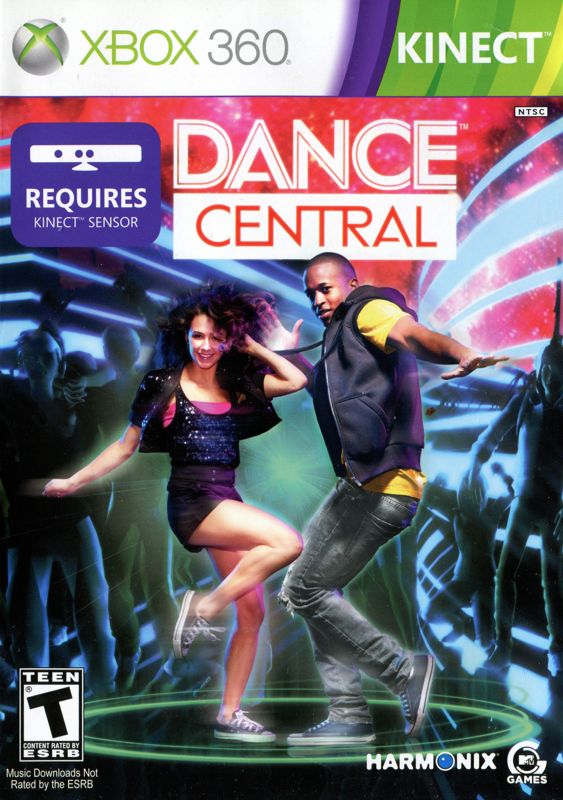
Retro Replay Review
Gameplay
Dance Central is at its best when you stop worrying about looking silly and start chasing one clean move after another. Kinect tracks your full body as you copy the on-screen dancer, and the game grades the accuracy of that effort. That makes a good run feel more physical than hitting buttons in a conventional rhythm game: your timing matters, but so does whether your body is actually doing the work.
The full-song Perform It mode is where routines either click or expose what you have not learned. Build a streak of flawless moves and your multiplier rises; lose the rhythm and the dancer highlights the offending body part in red. It is a useful correction because it tells you where the breakdown happened, not merely that your score fell. Better still, you cannot fail a song. You can finish, shake off a rough section, and come back with a clearer idea of what needs practice.
Do not expect the dance cards to carry you through a song cold. Their move names and rough sketches are reminders, not detailed instructions, so the first few attempts can feel harsh if you are trying to decode an unfamiliar routine in real time. Break It Down is the essential mode, not a disposable tutorial: it teaches each move, waits for you to perform it correctly several times, then makes you chain learned moves together. Put in that work and the eventual full performance feels considerably better.
Dance Battle gives the game a smart social rhythm. Instead of cramming two people onto the floor at once, it divides a song into alternating sections and lets each dancer take the spotlight before handing it over. Accuracy and stars decide the winner, which makes it a more focused contest than simply seeing who can make the biggest commotion in the room.
Graphics
The virtual dancers have a demanding job: they must show you a routine clearly enough to imitate it while remaining the center of a club-dance performance. The red blinking on an incorrect body part is especially helpful in motion, immediately pointing out whether your arms, legs, or another area has gone off track.
Dance cards sit along the right edge with current and upcoming moves, while venues and new dancer outfits serve as rewards for earned stars. The cards are useful as a quick memory aid, though their rough drawings reinforce why the training mode matters.
Story
Story is not what carries Dance Central from one song to the next. The momentum comes from moving through a song list, learning routines, and trying to turn an imperfect first pass into a polished one.
All 32 included songs are open from the start, so there is no artificial campaign gate standing between you and the track you actually want to dance to. That is the right choice for a game built around practice: pick the routine that grabs you, learn it, and return when you want to improve.
The progression that does exist is light but sensible. Five-star performance grades unlock new venues and outfits for the virtual dancers, giving repeat runs a little extra purpose without pretending the rewards are more important than mastering the choreography.
Overall Experience
Dance Central succeeds because it respects dancing as something you learn rather than something you can bluff through with broad gestures. Its move prompts may initially frustrate you, but the game has the right answer built in: train deliberately, link the moves, then take the full routine back to the floor.
The lack of song failure keeps that learning loop welcoming. A bad section costs accuracy and stars, not your chance to hear the rest of the track, so you can enjoy a performance even when you know you are not ready for a top score. That balance makes it approachable without making high-level runs feel handed out.
Give it a chance if you want a rhythm game that gets you off the couch and rewards practice with genuine improvement. Kinect accuracy and your own willingness to learn the routines will shape the experience, but when both cooperate, Dance Central turns a living room performance into a convincing personal victory.


Reviews
There are no reviews yet.