 Retro Replay Retro Replay gaming reviews, news, emulation, geek stuff and more!



Retro Replay Review
Gameplay
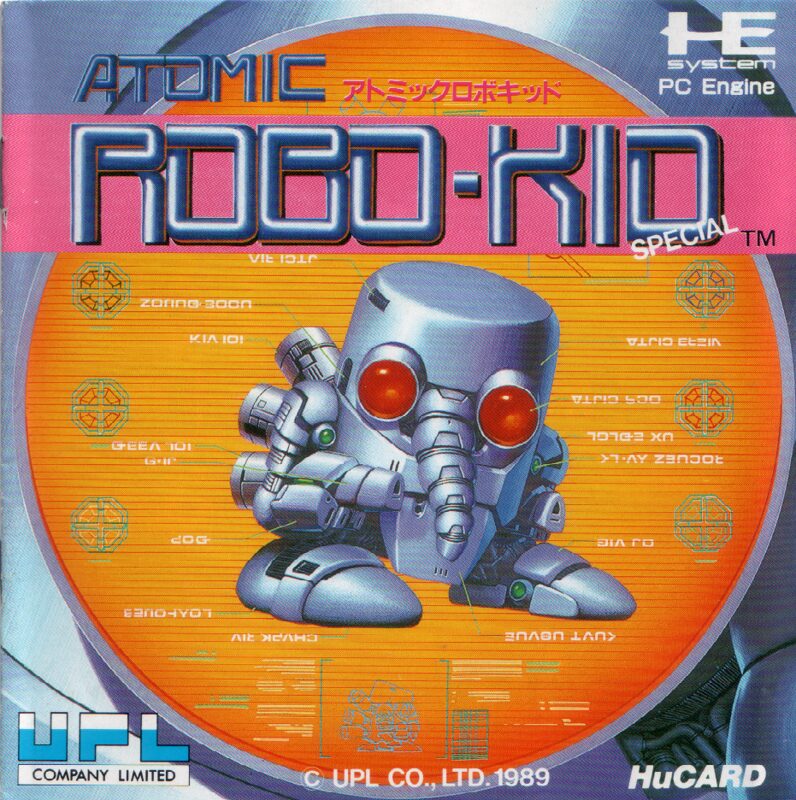
Atomic Robo-Kid delivers a classic side-scrolling shooter experience with modern refinements that keep every stage feeling fresh. You pilot the titular half-human, half-cyborg flying machine through 28 increasingly challenging levels filled with deadly enemies, environmental hazards, and massive bosses. The game’s core mechanic revolves around horizontal scrolling, but what truly sets it apart is your ability to hover at any altitude—bringing a welcome layer of vertical freedom to the genre.
(HEY YOU!! We hope you enjoy! We try not to run ads. So basically, this is a very expensive hobby running this site. Please consider joining us for updates, forums, and more. Network w/ us to make some cash or friends while retro gaming, and you can win some free retro games for posting. Okay, carry on 👍)
Defeating foes showers the screen with collectible gems that act as your lifeblood. Accumulating these gems is crucial, as they unlock temporary power-ups that transform your standard cannon into multi-directional blasters, rapid-fire cannons, or charged plasma shots. This dynamic progression system rewards skilled play, encouraging you to dart in and out of enemy formations to snag every last gem without taking a hit.
Levels vary in theme and layout, from crumbling cityscapes to neon-lit alien factories. Each environment is packed with jump pads, conveyor belts, and trap doors that force you to think on your feet. While the initial stages ease you in, the later levels demand precise control and memorization, as enemy bullet patterns become more intricate and environmental obstacles start moving in sync with you.
For players seeking replay value, Atomic Robo-Kid offers hidden routes and secret power-up caches tucked behind destructible walls or off-screen paths. Mastering the hover mechanic is essential for uncovering these secrets—and grabbing that elusive “A” rank on the world leaderboards.
Graphics
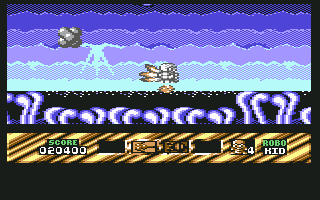
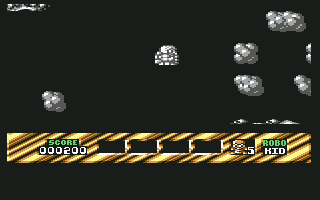
Atomic Robo-Kid’s pixel-art visuals strike a balance between nostalgic charm and modern polish. Each sprite boasts crisp outlines and vibrant colors that pop against the varied backdrops. From the gritty metal corridors to the lush overgrown jungles, every setting feels distinct yet cohesive within the game’s retro-futuristic universe.
Animation is smooth even when the screen is swarmed with enemy fire. You’ll notice subtle details, such as sparks flying off damaged turrets or your Robo-Kid’s mechanical arm joints whirring as you adjust altitude. These touches might sound small, but they lend a surprising level of immersion to each skirmish.
Special effects are where Atomic Robo-Kid really shines. Power-up activations trigger dazzling multi-color flares, and boss explosions light up the screen in a shower of debris and plasma. The gem-collection effect—tiny sparkling orbs that zoom toward your craft—adds a tactile thrill every time you pick one up.
Screen transitions between stages and boss encounters are seamless, with parallax backgrounds sliding at different speeds to enhance the sensation of depth and motion. Although you’re never truly “paused” mid-level, loading times are virtually nonexistent on modern platforms, ensuring you can jump right back into the action after a game over.
Story
At its core, Atomic Robo-Kid spins a straightforward narrative: humanity’s last hope is a half-human cyborg equipped with cutting-edge flight technology. An alien armada and rogue AI threat loom over Earth’s remnants, and it falls to you, Robo-Kid, to reclaim each level and push back the invaders. While the plot doesn’t dive into deep character arcs, it provides enough context to drive your relentless forward assault.
Between stages, you receive brief mission briefings via retro-style text windows, hinting at enemy weaknesses or hidden objectives. These snippets of lore—about lost colonies, experimental robotics, and the origin of your own cybernetic enhancements—add flavor without bogging down the gameplay. Fans of old-school arcade shooters will appreciate this “less-is-more” approach to storytelling.
The game also teases multiple endings based on gem collection and stage completion criteria. If you manage to gather every hidden power-up and clear the toughest difficulty, you unlock a final cutscene that sheds light on Robo-Kid’s mysterious past. It’s a modest reward, but it adds replay incentive for completionists.
Though Atomic Robo-Kid isn’t a narrative-driven epic, it delivers just enough world-building to make your mission feel urgent. The sparse storytelling complements the fast-paced action, ensuring you’re never stuck waiting for dialogue while the alien hordes advance.
Overall Experience
Atomic Robo-Kid stands out as a love letter to classic shooters while embracing modern design sensibilities. Its responsive controls, eye-catching pixel art, and balanced difficulty curve create a package that’s hard to put down. Each level feels meticulously crafted, offering surprises around every corner and enough secrets to reward dedicated exploration.
While veterans of the genre will find familiar challenge tropes—bullet-hell swarms, boss memorization, and resource management—the game’s hover mechanic and gem-based power system offer enough innovation to feel fresh. Casual players might face a steep learning curve in the later stages, but adjustable difficulty settings help ease newcomers into the fray.
Replayability is high thanks to hidden paths, multiple endings, and local or online leaderboards. Speedrunners will delight in finding the optimal route through each stage, while completionists can hunt down every gem and secret room. Together, these features create a robust experience that justifies multiple playthroughs.
For shooters fans and retro enthusiasts alike, Atomic Robo-Kid is a compelling purchase. Its blend of old-school challenge, modern polish, and hidden depth make it a standout title in the indie shooter landscape. Whether you’re aiming for a quick run or a full completionist sprint, Atomic Robo-Kid delivers an exhilarating ride from start to finish.


Reviews
There are no reviews yet.