 Retro Replay Retro Replay gaming reviews, news, emulation, geek stuff and more!

Retro Replay Review
Gameplay
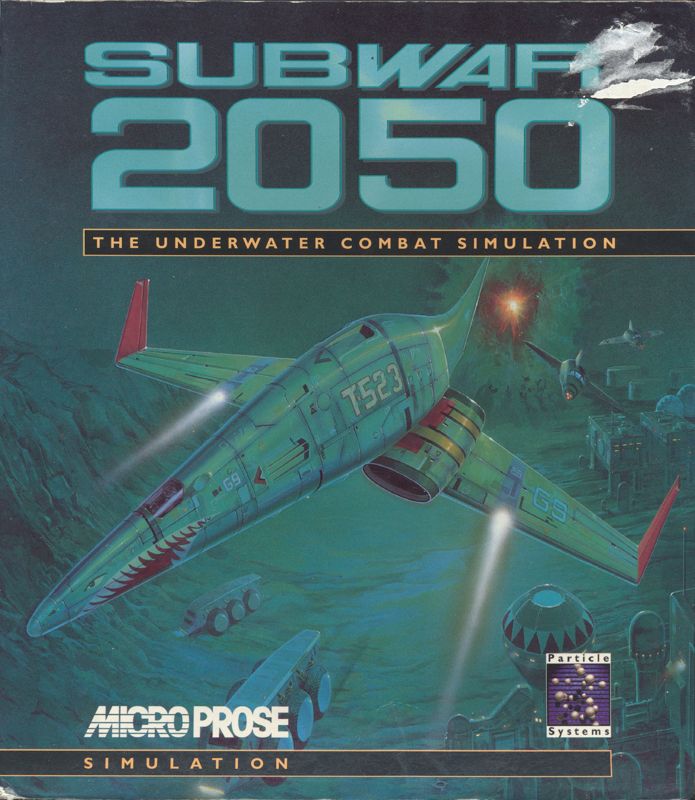
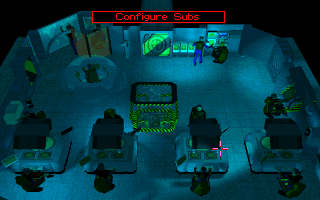
Subwar 2050 drops you into the pilot’s seat of advanced fighter subs, blending aerial dogfights with deep-sea skirmishes. Each mission challenges you to balance speed, stealth, and firepower—whether you’re darting between coral reefs under sonar scrutiny or climbing into open water to launch missile salvos. The dual-layer combat system feels fresh, requiring you to adapt your tactics on the fly as threats emerge above and below the waves.
(HEY YOU!! We hope you enjoy! We try not to run ads. So basically, this is a very expensive hobby running this site. Please consider joining us for updates, forums, and more. Network w/ us to make some cash or friends while retro gaming, and you can win some free retro games for posting. Okay, carry on 👍)
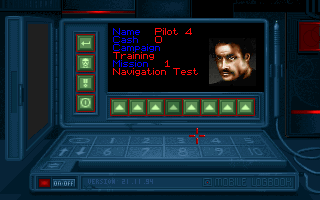
There are five distinct theaters of operations, each ramping up in environmental hazards and enemy sophistication. Early missions ease you in with straightforward escort or patrol duties, but later stages demand precision: you’ll thread through underwater canyons, navigate thermal vents that scramble your sensors, and dodge squadrons of AI-controlled subs that hunt you like a prize. The risk-and-reward structure is solid—complete objectives efficiently, and your corporate overlords reward you with cash to upgrade weapons, armor, and sonar rigs.
Controls are remarkably intuitive for a hybrid flight-and-submarine sim. The game strikes a balance between accessibility and depth; newcomers can map thrust, pitch, and sonar pings to a gamepad, while veterans will appreciate fine-tuning sub handling in the options menu. Weapon loadouts range from torpedoes that home in on heat signatures to rapid-fire cannons for surface threats, giving each engagement a satisfying layer of strategy. Simply put, Subwar 2050 feels like Strike Commander under the sea—minus the narrative, but plus an ocean’s worth of tactical possibilities.
Graphics
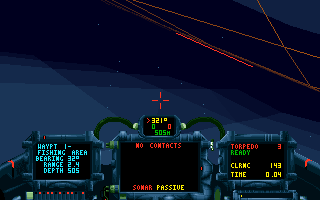
Visually, Subwar 2050 punches above its weight for a title of its era. The underwater environments are rich with volumetric lighting that pierces through water columns, creating shafts of light that dance across the hull of your sub. Particle effects for bubbles, debris, and explosions sell the immersion, making every torpedo hit and depth-charge detonation feel impactful.
Sub models are crisply detailed, with mechanical components and hull plating that catch reflections realistically. While the texture resolution may occasionally betray its mid-’90s roots, dynamic shadows and realistic water distortion shaders help maintain a surprisingly modern look. Surface missions showcase rippling waves and wake trails that convince you you’re skimming the ocean—then dive deep to reveal caverns filled with bioluminescent algae.
Draw distances and pop-in are kept to a minimum, ensuring that enemy subs don’t mysteriously materialize at point-blank range. Performance is generally smooth on contemporary hardware, although certain particle-heavy skirmishes can nudge frame rates downward. Overall, the graphical presentation serves the gameplay beautifully, framing each mission with visual flair.
Story
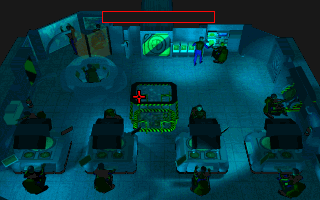
Subwar 2050 opts for a streamlined narrative: there’s no sprawling lore or lengthy cutscenes, just concise mission briefings from your corporate dispatchers. You play an independent mercenary contracted by a powerful conglomerate, and your objectives boil down to protecting corporate assets and neutralizing hostile forces. This minimalist approach keeps the pace brisk—no forced exposition, just the next tactical challenge.
Though the game lacks a traditional plot arc, the changing theaters convey a sense of scale and escalation. You start in resource-rich coastal waters, move to contested shipping lanes, and eventually confront rival mega-corps’ private navies near Arctic ice floes. These shifting backdrops provide context without bogging the player down in dialogue trees or cutscene marathons.
If you’re seeking character development or emotional hooks, you might come away wanting more. However, the corporate-mercenary dynamic does offer occasional flavor: terse messages about deadlines, procurement of exotic subs, and veiled threats about mission failure. It’s enough to keep you invested in each contract, even if the broader narrative remains an undercurrent rather than a driving force.
Overall Experience
Subwar 2050 delivers a compelling mix of submarine stealth and aerial combat, wrapped in a polished audiovisual package. Its modular mission structure and five theaters of operations ensure that even veteran sim pilots will find new challenges in each environment. The game’s strengths lie in its tight controls, rewarding upgrade system, and balanced difficulty curve.
While the story is minimal, this allows the gameplay to shine without interruption. The lack of a deep narrative may deter players craving cinematic hooks, but it also means you can dive straight into action—no cutscene skips required. If you enjoy fine-tuning your loadouts, mastering sonar tracking, and outmaneuvering enemy subs, Subwar 2050 will keep you engaged for hours.
In the end, Subwar 2050 is an underrated gem for fans of vehicle sims and tactical action. Its unique setting—combining the thrill of dogfights with the stealth of submarine warfare—sets it apart from other titles of its time. For anyone looking to pilot futuristic fighter subs, protect corporate interests, and bank cold hard cash in the depths of the ocean, this game is well worth exploring.


Reviews
There are no reviews yet.