 Retro Replay Retro Replay gaming reviews, news, emulation, geek stuff and more!


Retro Replay Review
Gameplay
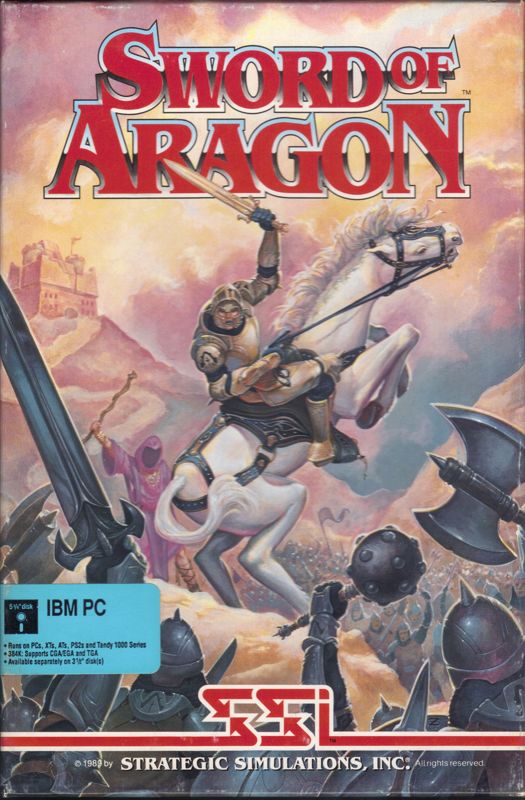
Sword of Aragon unfolds as a deep turn-based strategy epic where you assume the mantle of the young Duke of Allada, seeking vengeance against the orcish hordes that murdered your father. The game’s core loop revolves around city and resource management—balancing farming, lumber, mining, commerce, and manufacturing to fund both military expansion and public happiness. Each decision has tangible consequences: invest too heavily in taxes and you risk civil unrest; neglect defenses and orc patrols will ravage your walls.
(HEY YOU!! We hope you enjoy! We try not to run ads. So basically, this is a very expensive hobby running this site. Please consider joining us for updates, forums, and more. Network w/ us to make some cash or friends while retro gaming, and you can win some free retro games for posting. Okay, carry on 👍)
Military development is equally robust. You’ll recruit infantry, cavalry, bowmen, and mounted archers, each unit type strengthening over time through training and battlefield experience. Heroes from five distinct classes (Warrior, Knight, Ranger, Priest, and Mage) bolster your forces with unique bonuses and spells. Managing hero placement and equipment becomes a strategic puzzle, as they can support up to twenty units but require careful deployment to maximize their combat and magical prowess.
What truly sets Sword of Aragon apart is its exploration and random event system. The map begins partially hidden, encouraging you to scout for trade routes, lurking monsters, and mysterious ruins. Every expedition can trigger scripted encounters—ancient artifacts, wandering merchants, or ambushes—each altering the political and economic landscape. This emergent storytelling adds a layer of unpredictability that keeps each playthrough fresh.
Graphics
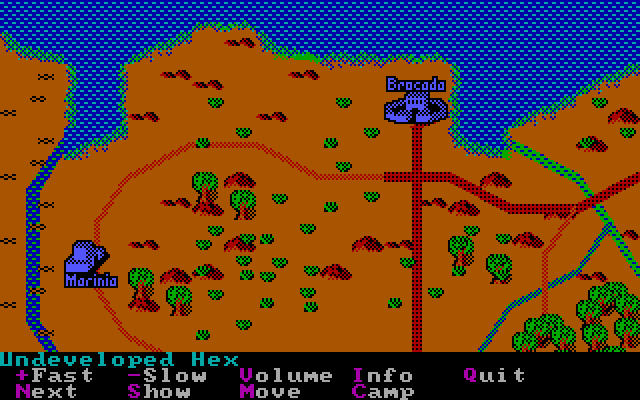
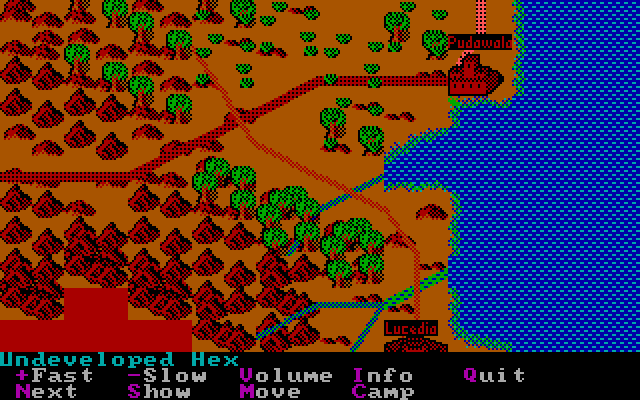
Though originally released in the early ’90s, Sword of Aragon’s pixel art retains a quaint charm that evokes classic fantasy maps. Town layouts, resource tiles, and unit sprites are all clearly delineated, making it easy to distinguish farmland from forests or cavalry from infantry at a glance. The isometric city view and hex-based campaign map look dated by modern standards, but they possess enough clarity and color contrast to ensure smooth gameplay on contemporary displays.
Special combat animations are kept to a minimum—units march into position, swing swords, or let arrows fly. While battles aren’t a visual spectacle, the functional design emphasizes strategic planning over flashy effects. Seasonal changes and weather effects are subtle but effective, with snow-covered fields in winter slightly reducing movement rates, adding both visual variety and tactical considerations.
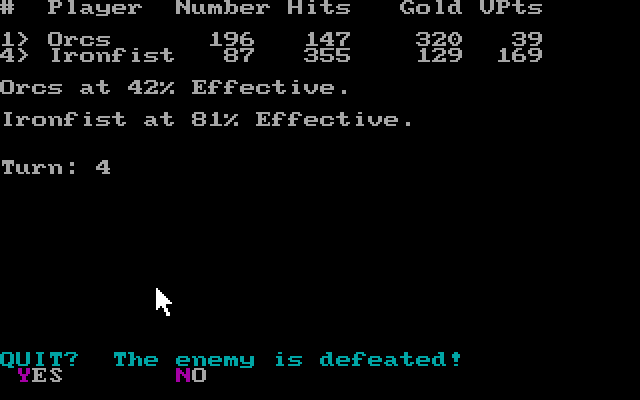
User interface elements are straightforward: easily accessible menus for recruitment, building, and spellcasting. Icons are well-designed and tooltips provide concise explanations, though players may initially need a reference guide to fully grasp all unit types and resource mechanics. All told, the graphics serve the gameplay solidly, marrying clarity with nostalgia.
Story
The narrative of Sword of Aragon is anchored by a classic revenge plot: your beloved father, the Duke of Allada, has been slain by orcish savages, and now you must rebuild your fallen city and exact justice. This personal motivation drives your early efforts in resource gathering and defensive construction, lending weight to every decision you make in the fledgling weeks of play.
As you push beyond Allada’s walls, broader political intrigues start to surface. Neighboring city-states each harbor their own agendas, from opportunistic kings to conniving guild masters. Diplomacy and conquest become intertwined—alliances can bolster your armies, but treacherous pacts may unravel if you neglect economic or military strength. The lack of branching dialogue means the storyline remains relatively linear, but random events and side quests frequently introduce fresh drama.
Exploration reveals ancient ruins and long-forgotten secrets of Aragon, hinting at a deeper lore beneath the battlefield skirmishes. NPCs encountered during random events can offer clues to hidden dungeons or powerful artifacts, enriching the world-building. Though the writing is concise, it conveys a sweeping fantasy atmosphere that complements the strategic gameplay.
Overall Experience
Sword of Aragon delivers a highly engaging strategy experience that rewards careful planning and adaptability. Its blend of city management, tactical combat, and exploration provides a well-rounded challenge. Early-game resource balancing feels tense and critical, while mid-to-late game introduces layered choices around hero abilities, army composition, and diplomatic maneuvering.
Replayability is strong thanks to the five hero classes and random events altering each campaign. Choosing a Ranger or Mage changes your approach to both combat and exploration, while multiple difficulty settings allow veterans and newcomers alike to find a satisfying level of challenge. The turn-based pace affords you the breathing room to consider every move, though occasional downtime between major events may feel slow to some players.
While its retro graphics and UI might not dazzle modern gamers accustomed to high-fidelity visuals, Sword of Aragon’s strategic depth and emergent storytelling provide a compelling journey through the war-torn realm of Aragon. For fans of classic fantasy strategy who relish long-term planning and memorable encounters, this title stands as a hidden gem worth unearthing.


Reviews
There are no reviews yet.