 Retro Replay Retro Replay gaming reviews, news, emulation, geek stuff and more!




Retro Replay Review
Gameplay
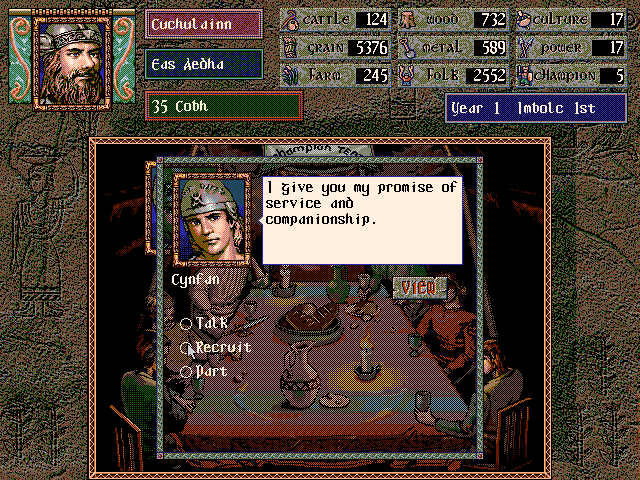
Celtic Tales: Balor of the Evil Eye unfolds as a deep isometric turn-based strategy experience that blends province management, diplomacy, character growth, and tactical warfare. At its core, you begin with a fledgling province on the island of Eire, gathering resources—grain, cattle, metal, and wood—through your heroes’ labors in farms, cowherds, mines, and forests. Overseeing these operations requires thoughtful allocation of hero efforts and a strategic eye toward seasonal harvests, trade needs, and military build-up. This layered approach to resource management makes each decision feel meaningful, as shortages can leave you vulnerable to rival tribes or the looming threat of Balor’s forces.
(HEY YOU!! We hope you enjoy! We try not to run ads. So basically, this is a very expensive hobby running this site. Please consider joining us for updates, forums, and more. Network w/ us to make some cash or friends while retro gaming, and you can win some free retro games for posting. Okay, carry on 👍)
Character and hero development stands out as the RPG backbone of the game. Each of the nine champions you choose from carries unique portraits, classes (Warrior, Bard, or Druid), and skill proficiencies that evolve through active tasks. Only Bards and Druids command spells, requiring you to learn rune combinations for magical effects. Assigning heroes to construction, espionage, or teaching runes unlocks further specializations, ensuring no two playthroughs feel identical. The progression system rewards experimentation, as heroes accrue experience not only on the battlefield but also in provincial administration and diplomatic missions.
Diplomacy and trade serve as a vital counterpart to warfare. In fortress and settlement menus, you can forge alliances, send tribute caravans, or barter precious resources to gently sway neighboring tribes into your sphere of influence. Failing that, you may resort to cattle raids or outright invasion once diplomatic ties sour. This diplomatic layer encourages careful relationship management, as a well-timed alliance can tip the balance before you face Balor himself. However, be prepared for sudden betrayals—a broken treaty can force you into defensive wars that test your strategic reserves.
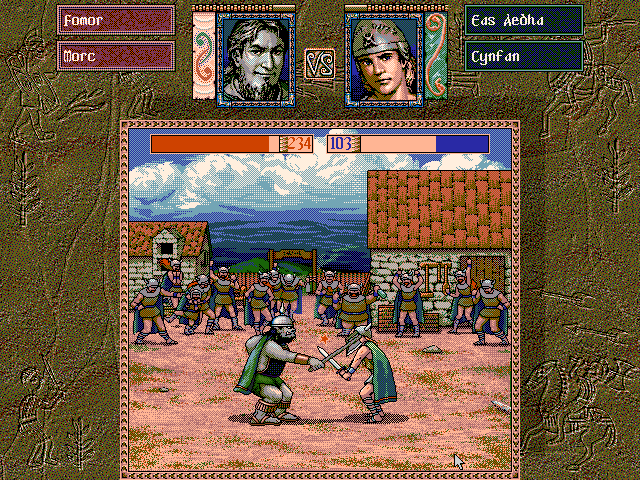
The war system itself is brisk and tactical. Sieges occur when you attack or are attacked by up to seven heroes per side. Battles play out on small isometric maps where hero abilities, unit placements, and the terrain’s choke points determine victory. You may capture enemy leaders to negotiate favorable terms or risk total rout for spoils and captives. While the skirmishes can feel repetitive after extended campaigns, the tension of balancing offense and defense, coupled with the threat of losing hard-earned resources, keeps each encounter engaging and consequential.
Graphics
Celtic Tales embraces a classic isometric 2D presentation reminiscent of late-90s strategy titles. Provinces are depicted with a stylized Celtic palette—verdant fields, mist-shrouded forests, and rocky hillsides that evoke Ireland’s mythic landscape. Buildings and resource nodes carry distinct icons that make it easy to identify farms, mines, and lumber camps at a glance. Though the resolution is modest by modern standards, the art direction captures the game’s folkloric roots and enhances immersion in the world of Eire.
Hero portraits and unit sprites carry hand-drawn charm, each champion’s visage reflecting their class and personality. Warriors, clad in Bronze Age garb, appear sturdy and rugged, while Druids bear staffs etched with runes and flowing robes. In motion, animations are simple but clear: a Bard strums a harp to cast a charm spell, and a Druid raises branching hands to summon elemental forces. These modest animations bring battles to life without overwhelming the game’s strategic focus.
The user interface balances function and atmosphere. Menus for fortress and settlement management feature wood-grain panels and knotwork borders, reinforcing the Celtic aesthetic. Resource counters and diplomacy sliders are laid out cleanly, minimizing clutter during province administration. While modern gamers might find the UI a bit dated in responsiveness, it remains intuitive once you learn the button flow and hotkeys. Overall, the graphical presentation supports gameplay clarity and complements the mythological setting.
During cinematic interludes and campaign transitions, the game employs parchment-style screens with illustrated sketches of gods and heroes, narrated in a poetic tone. These sequences, though brief, provide narrative context and break up the strategic grind. While they won’t rival high-budget cutscenes, they offer a tasteful nod to Celtic lore that fans of mythic storytelling will appreciate.
Story
The narrative thrust of Celtic Tales centers on the island’s torment at the hands of Balor and his Formor legions. As the long-awaited champion sent by the Goddess Danu, your arrival heralds hope for a fractured land. From the first dialogue boxes, the game sets a solemn tone: Eire’s tribes have been scattered and their people wearied by curses that poison the soil and the spirit. This mythic backstory provides a strong motivation to unite the tribes and claim the High King’s mantle.
Choosing from nine unique champions deepens the story’s replay potential. Each hero embodies distinct virtues and flaws, which can alter diplomatic encounters and war outcomes. A proud warrior may command loyalty through feats of strength, while a wise Druid fosters unity through spellwork and counsel. These role-playing dimensions infuse the overarching quest to dethrone Balor with personalized narrative threads—every meeting with a tribal lord feels like a chapter in your legend.
The political landscape of Eire is rich with tribal rivalries and alliances. Negotiations unfold in dialogue boxes that, while text-heavy, capture the flavor of Gaelic verse and tribal honor. Betrayals sting, and successful treaties feel triumphant, heightening your personal stake in the emerging High Kingship. The tension between using diplomacy or the sword to win support resonates throughout the campaign and underscores the theme of unity versus division.
Ultimately, the climactic confrontation with Balor is more than a final battle—it’s the resolution of a saga steeped in myth and destiny. By the time you breach his fortress, you’ve woven your own tale across Eire’s green hills, and the game rewards you with an ending that reflects the alliances you forged and the tribes you led. Though the writing can lean on familiar fantasy tropes, it consistently serves the goal of making you feel like a hero of legend.
Overall Experience
Celtic Tales: Balor of the Evil Eye offers a compelling blend of strategy, role-playing, and mythic storytelling. Its learning curve may initially seem steep, as you juggle resource micro-management, hero progression, and diplomatic overtures. However, the game’s modular systems gradually reveal themselves, and mastering the interplay between province development and battlefield tactics becomes deeply satisfying. Veteran strategy players will find ample depth, while newcomers may appreciate the clear tutorial prompts and lore-rich introductions.
Replayability stands out as a key strength. The choice of nine champions, multiple approaches to diplomacy or war, and the randomized distribution of tribal allies ensure that no two campaigns play out identically. Fans of historical strategy will also enjoy scouring the map for hidden settlements and forging alternative paths to unite Eire. Even after defeating Balor once, players often return to challenge themselves with different hero classes or more aggressive diplomatic stances.
Celtic Tales isn’t without rough edges. The UI can feel sluggish at times, and the pace of resource gathering may drag during lengthy peacetime stretches. Combat animations, while charming, lack the polish of contemporary titles. Yet, these shortcomings never derail the central experience: a grand struggle to mend a broken island under the gaze of ancient gods. The atmospheric soundtrack—evocative flutes and drumming—eases any tedium, reinforcing the game’s Celtic identity.
In the final reckoning, Celtic Tales: Balor of the Evil Eye stands as a memorable strategy title that marries myth and mechanics in service of an epic quest. Whether you’re drawn by the call of Danu’s blessing, fascinated by Gaelic lore, or simply seeking a robust turn-based challenge, this journey through Eire’s tribal lands offers a rewarding and immersive ride. Unite the clans, hone your heroes, and claim the High King’s crown—Balor’s dark curse awaits its undoing.


Reviews
There are no reviews yet.