 Retro Replay Retro Replay gaming reviews, news, emulation, geek stuff and more!
Retro Replay Review
Gameplay
Chagunitzu’s gameplay is rooted firmly in classic top-down puzzle action, demanding both careful planning and quick reflexes. Players navigate a grid-based environment, pushing blocks and barrels to uncover hidden pathways, depress floor switches, and reach the exit in each room. Every object interaction feels weighty and precise, making even the simplest move a potential turning point in solving the level.
(HEY YOU!! We hope you enjoy! We try not to run ads. So basically, this is a very expensive hobby running this site. Please consider joining us for updates, forums, and more. Network w/ us to make some cash or friends while retro gaming, and you can win some free retro games for posting. Okay, carry on 👍)
The challenge ramps up steadily as you progress: early stages introduce basic block-pushing, while later puzzles combine moving platforms, timed switches, and environmental hazards. This layered design keeps the experience fresh, forcing you to rethink strategies you mastered just moments ago. Spiders and other creeping foes patrol the rooms, adding an element of risk that pushes you to balance puzzle-solving with evasive maneuvers.
Combat itself is minimal—there’s no health bar or hit points to manage—but the threat of instant death from a spider bite or falling into a spike pit puts every step under scrutiny. This tension elevates each puzzle, as you must consider not only block placement but also safe zones and escape routes. For puzzle aficionados looking for that classic “one wrong move” heartbreak, Chagunitzu delivers in spades.
Graphics
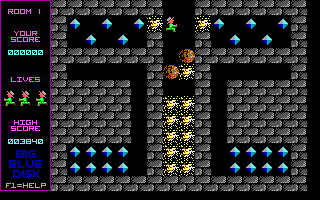
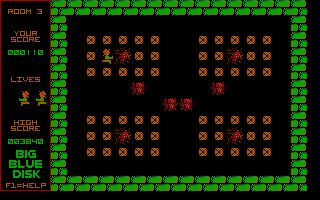
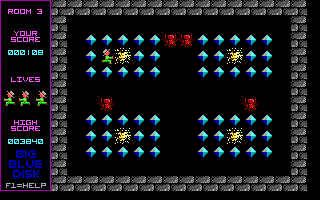
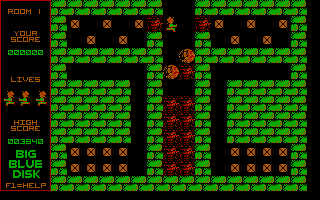
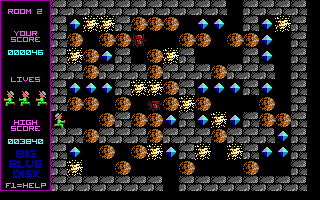
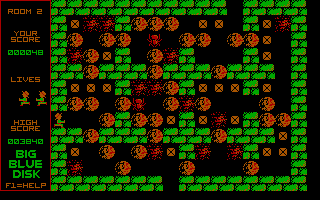
Chagunitzu’s visuals are a charming throwback to early 1990s DOS-era artistry. Its 16-color palette might feel limited by modern standards, yet the vibrant reds, greens, and blues bring each room’s stone floors and temple walls to life. Sprite animations are simple but effective, with spiders shuffling in unmistakable patterns and treasure chests flashing to signal valuable loot.
Level layouts use clear, contrasting tiles to distinguish impassable walls, pushable blocks, and interactive switches. This clarity is crucial when every second counts, ensuring you never second-guess which objects you can or cannot move. While the backgrounds remain largely static, occasional decorative touches—like growing vines or flickering torches—provide just enough atmosphere to conjure a sense of ancient mystery.
Compared to its successor, Paganitzu, Chagunitzu’s graphics may appear more primitive, yet they possess a certain handcrafted appeal. Each tile seems purposefully placed, forming distinct room archetypes (traps, mazes, treasure chambers) that help set the stage for the puzzle within. Fans of retro titles will appreciate how the limited hardware capabilities were maximized to create a cohesive and readable world.
Story
Chagunitzu doesn’t rely on a deep narrative—its focus lies squarely on puzzle mechanics—but a simple premise underpins the adventure. You assume the role of an intrepid explorer delving into a lost temple, seeking ancient artifacts and untold riches. Every room you conquer brings you closer to the fabled Chagunitzu idol, a relic said to grant power and prestige.
Brief text prompts bookend key levels, hinting at the temple’s mythos: whispers of a vanished civilization, warnings about sacrilegious explorers, and tales of guardians left behind to protect the treasure. Though these snippets are sparse, they add subtle context to the obstacles you face, infusing the puzzles with thematic weight rather than cold gridwork.
For players seeking a deeper storyline, Chagunitzu may feel light on lore. Yet this minimalism ensures the gameplay remains front and center, letting you create your own narrative of narrow escapes and triumphant breakthroughs. In essence, the story serves as a backdrop—enough to spark imagination, without overshadowing the core puzzle experience.
Overall Experience
Chagunitzu stands as a testament to tight puzzle design and unrelenting challenge. Its bite-sized levels make for satisfying short sessions, while the layered mechanics reward both patience and experimentation. Mistakes are punishing, but the game’s structure encourages you to learn from them—no lengthy cutscenes or inventory menus ever get in the way of pure puzzle action.
The difficulty curve is well tuned, easing players into basic moves before unleashing complex contraptions that combine moving platforms, timed triggers, and relentless spider patrols. This balance caters to both newcomers and veterans of top-down puzzle games, ensuring neither group feels overwhelmed or underwhelmed.
Ultimately, Chagunitzu’s retro charm and rigorous puzzles make it a compelling purchase for fans of the genre. Its slightly dated graphics and minimal story won’t appeal to everyone, but if you crave methodical challenges and relish the rush of solving a room against the clock (and a swarm of spiders), this predecessor to Paganitzu is well worth your time.


Reviews
There are no reviews yet.