 Retro Replay Retro Replay gaming reviews, news, emulation, geek stuff and more!
Retro Replay Review
Gameplay
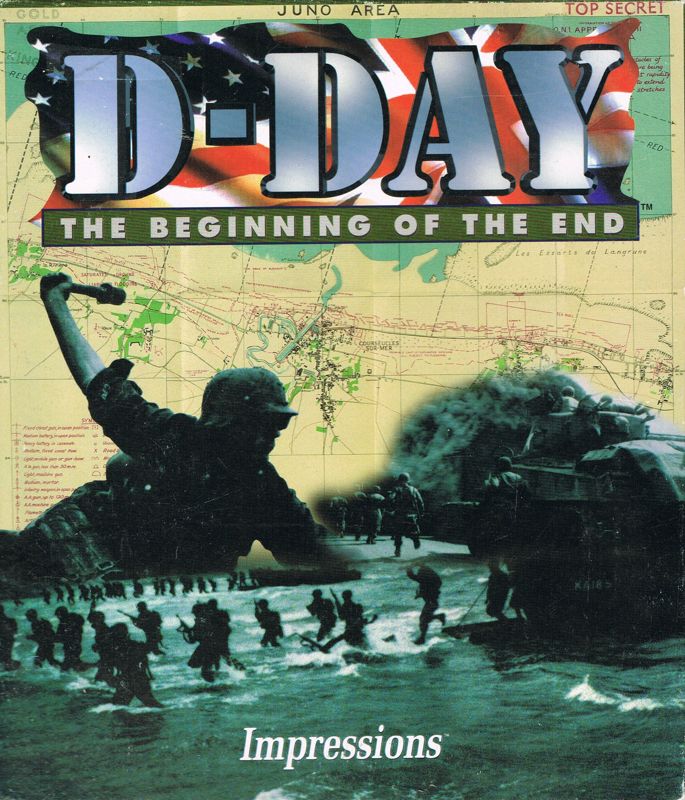
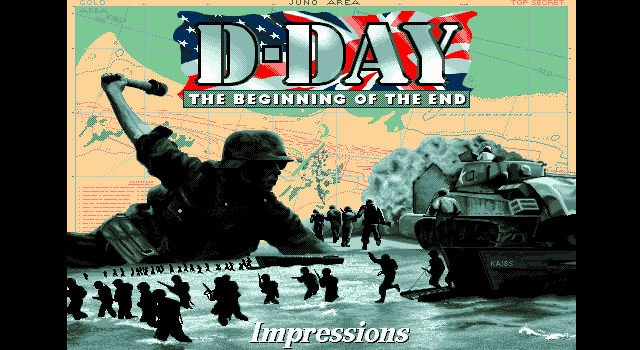
D-Day: The Beginning of the End delivers a deeply strategic turn-based wargaming experience that faithfully recreates the pivotal battle of World War II using Impressions’ Micro Miniatures system. From the moment you assume overall command of Allied or Axis forces, you’re tasked with plotting each unit’s movement, weighing terrain advantages, and anticipating enemy fortifications. The core loop of selecting orders and then watching them resolve against an AI opponent encourages careful planning and a measured approach to every engagement.
(HEY YOU!! We hope you enjoy! We try not to run ads. So basically, this is a very expensive hobby running this site. Please consider joining us for updates, forums, and more. Network w/ us to make some cash or friends while retro gaming, and you can win some free retro games for posting. Okay, carry on 👍)
The game’s depth becomes apparent as you juggle unit morale, fatigue levels, and remaining movement points to secure critical objectives on the Normandy beaches. Higher difficulty settings further enrich the challenge by introducing autonomous behavior among your subordinate generals—some follow your directives to the letter, while more ambitious commanders may alter plans in the heat of battle. This unpredictable element adds tension and replay value, as no two campaigns will play out exactly the same.
Beyond the grand command layer, you have the option to zoom into individual skirmishes, resolving engagements yourself in tactical detail or allowing the computer’s AI to simulate outcomes. This flexibility lets players who crave hands-on micromanagement dive into firefights, while those who prefer a more high-level approach can delegate the nitty-gritty. The result is a versatile system that caters to both hardcore wargamers and newcomers seeking an authentic taste of WWII strategy.
Graphics
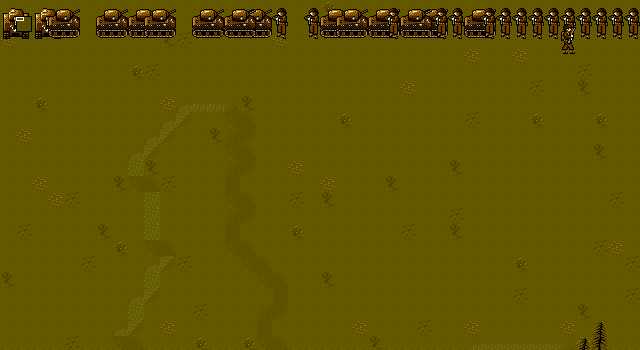
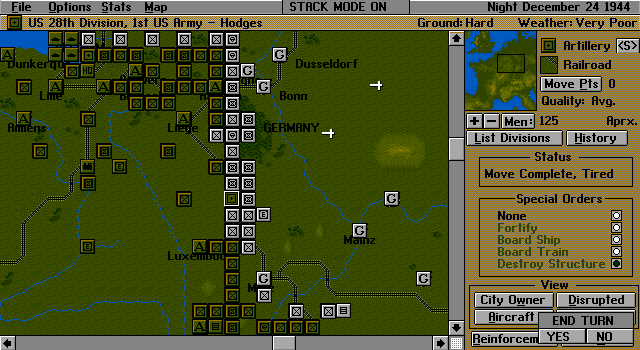
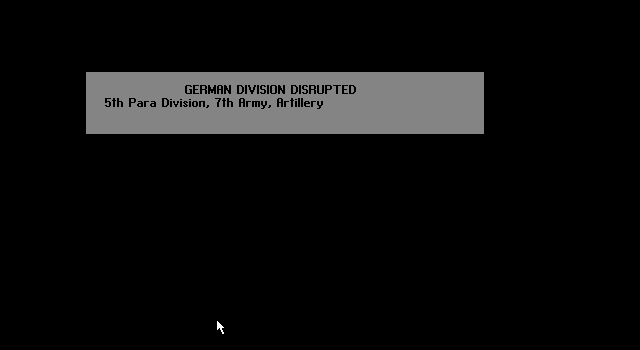
Visually, D-Day: The Beginning of the End takes a decidedly functional approach, relying on letter-based icons to represent infantry, armor, artillery, and fortifications. There are no flashy sprites or 3D models—everything on screen serves a clear, practical purpose. While this minimalist presentation may feel dated to some, it underscores the game’s focus on strategy rather than spectacle.
Unit types are identified by single letters (for example, “I” for infantry, “T” for tanks), and terrain features such as hedgerows, bunkers, and beaches are depicted with simple symbols. This low-overhead design ensures that all crucial information remains visible at a glance, even when dozens of units crowd the map. Though lacking in visual flair, the clear iconography helps players make split-second decisions without wading through ornate menus or distracting effects.
Audio support follows the same principle of utility over immersion. Sound effects are sparse—think gunshots, distant explosions, and terse alerts—yet they provide enough feedback to call attention to key events. There’s no sweeping orchestral score or voice-acted briefings, but the minimalist soundscape complements the no-nonsense visual style, keeping the focus firmly on battlefield tactics.
Story
While D-Day: The Beginning of the End is primarily a tactical simulation, its narrative foundation in one of history’s most significant military operations lends every encounter real stakes. The game doesn’t unfold through cinematic cutscenes or character development, but through the evolving map of Normandy as Allied forces push off the beaches and Axis defenders attempt to hold the line. Each victory or setback feels meaningful because it ties directly into the broader historical context.
The lack of scripted storytelling allows players to write their own D-Day saga. One day you might orchestrate a flawless breakout from Omaha Beach; the next, you could find your units pinned down by unexpected German counterattacks in the bocage. This open-ended approach invites you to imagine the personal stories of soldiers under your command, turning maneuvers on the map into gripping narratives of sacrifice, heroism, and hard-earned tactical triumphs.
For history enthusiasts, the recreation of terrain types, unit compositions, and logistical challenges provides an immersive backdrop that transcends the absence of traditional story beats. Every hill conquered and every bunker neutralized contributes to your sense of progression in the annals of WWII lore. In this way, the game’s scenario-based design delivers a compelling story through pure strategy rather than through scripted events.
Overall Experience
D-Day: The Beginning of the End stands out as a niche gem for fans of classic wargaming. Its emphasis on strategic depth, combined with the Micro Miniatures system, offers a layer of realism that modern mainstream titles often sideline. If you revel in plotting complex offensives, managing limited resources, and adapting to unpredictable AI behavior, this game will keep you engrossed for hours on end.
However, those accustomed to high-fidelity graphics and cinematic presentations might find the sparse audiovisuals a hurdle. The letter-based display and utilitarian sound design require a shift in mindset: here, substance triumphs over style. Veteran strategists will appreciate the clarity and focus this brings, but casual players may need to acclimate to the old-school aesthetic before fully engaging with the gameplay.
Ultimately, D-Day: The Beginning of the End delivers an authentic, no-frills simulation of Normandy’s invasion that rewards careful thought and adaptability. It may not dazzle with its looks or spin a traditional narrative, but for anyone seeking a challenging, historically grounded wargame experience, it offers a deeply satisfying journey into the strategic heart of World War II.


Reviews
There are no reviews yet.