 Retro Replay Retro Replay gaming reviews, news, emulation, geek stuff and more!
Retro Replay Review
Gameplay
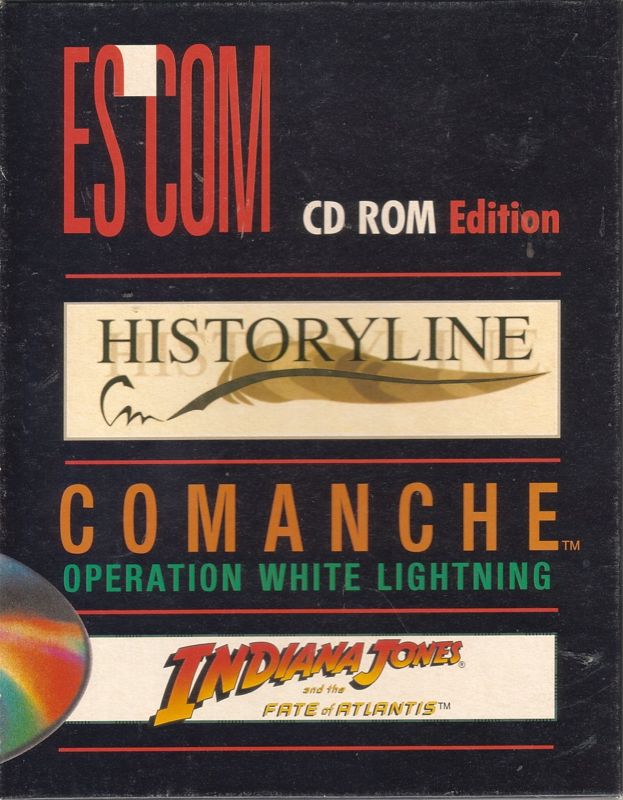
Escom CD ROM Edition offers a diverse gameplay experience by bundling three distinct titles under one roof. In Comanche: Maximum Overkill, players pilot the advanced RAH-66 Comanche helicopter in fast-paced, mission-based combat. The helicopter’s responsive controls and dynamic mission objectives—from search and destroy to covert reconnaissance—keep adrenaline levels high, making each sortie uniquely challenging.
(HEY YOU!! We hope you enjoy! We try not to run ads. So basically, this is a very expensive hobby running this site. Please consider joining us for updates, forums, and more. Network w/ us to make some cash or friends while retro gaming, and you can win some free retro games for posting. Okay, carry on 👍)
The Great War: 1914–1918, also known as Historyline, switches gears to a turn-based strategy format. Here, you command armies on a hex-grid map of Europe, juggling resources, troop morale, and technological research. Its depth lies in balancing offense and defense across land and sea, with a realistic fog of war that demands careful planning and adaptability.
Indiana Jones and the Fate of Atlantis rounds out the package with classic point-and-click adventure mechanics. You guide Indy through puzzles, dialogue trees, and inventory-based challenges, interacting with memorable characters and exotic environments. The underlying logic of its puzzles is fair yet occasionally devilish, rewarding patience and creative thinking.
Collectively, these titles showcase Escom’s ability to package varied gameplay styles—from high-octane simulation to cerebral strategy and narrative-driven adventure—ensuring that there’s something to satisfy a wide range of player tastes.
Graphics
Comanche: Maximum Overkill was a technical marvel of its time, employing voxel-based graphics to render smooth, 3D terrain. Mountains, valleys, and cloud layers feel surprisingly lifelike, and aircraft models are detailed enough to spot enemy emblems in the distance. Even by modern retro-graphics standards, the environment remains immersive.
By contrast, The Great War: 1914–1918 features a top-down, 2D art style that emphasizes clarity over spectacle. Units are represented by distinctive icons and counters, colored to denote nationality and status. While not flashy, its interface and map readability are strong assets, especially when commanding multinational forces across Europe’s varied terrain.
Indiana Jones and the Fate of Atlantis shines with hand-painted backgrounds and animated character portraits. Each scene—be it a dusty Cairo bazaar or a subterranean Atlantean chamber—is rich in detail and atmosphere. Character sprites move smoothly, and the dialogue boxes integrate seamlessly into the scenic artwork, preserving immersion.
Overall, the graphical presentation across the three titles feels consistent with early ’90s PC gaming excellence. Whether you prize polished 3D landscapes, strategic clarity, or lush adventure settings, this compilation delivers visuals that hold nostalgic appeal and historical significance.
Story
Comanche: Maximum Overkill places you at the center of a near-future conflict. The narrative framing is straightforward—complete your military objectives to secure global stability—but it’s elevated by briefings that set geopolitical stakes. While the story takes a backseat to adrenaline-pumping action, it provides just enough context to make each mission feel consequential.
Historyline: The Great War immerses you in the grim realities of World War I. Campaign stories evolve with your tactical decisions: a successful offensive might turn the tide at Verdun, while logistical failures could prolong trench warfare. The absence of a singular protagonist doesn’t diminish engagement; instead, it highlights the collective struggle of millions.
Indiana Jones and the Fate of Atlantis offers the most traditional narrative arc. You accompany Indy on a globe-trotting quest to uncover a sunken civilization before Nazis do. The game’s branching dialogue paths and optional puzzles introduce narrative variations, adding replay value. Sharp writing, witty banter, and memorable set pieces—like a mime contest in Paris—give the plot a cinematic flair.
Together, these stories cover a spectrum: speculative military thriller, historical epic, and pulpy adventure. This variety not only keeps players invested but also showcases how diverse storytelling can be in a single collection.
Overall Experience
Escom CD ROM Edition excels at delivering genre diversity in a single purchase. Whether you’re a fan of flight simulation, grand strategy, or classic adventures, you’ll find hours of gameplay across its three pillars. The disc’s menu is intuitive, letting you jump straight into the game of your choice without fuss.
From a value standpoint, the compilation is excellent. Each title was critically acclaimed in its day, and together they represent milestones in PC gaming history. The disc space is well-utilized, with minimal loading times and straightforward installation on legacy systems. Modern compatibility layers may be needed today, but emulator guides and fan communities remain active, easing any technical hurdles.
Nostalgic appeal is high. For veterans of ’90s PC gaming, Escom CD ROM Edition is a cherished time capsule. For newcomers, it’s a chance to experience foundational designs that influenced countless successors. The differences in pacing, mechanics, and tone between the three games keep the overall experience fresh.
In summary, this compilation offers not just three games, but three distinct journeys: fierce aerial combat, sobering historical command, and globe-trotting puzzle-solving. It strikes a compelling balance between entertainment and challenge, making it a must-have for collectors and curious gamers alike.

Reviews
There are no reviews yet.