 Retro Replay Retro Replay gaming reviews, news, emulation, geek stuff and more!
Retro Replay Review
Gameplay
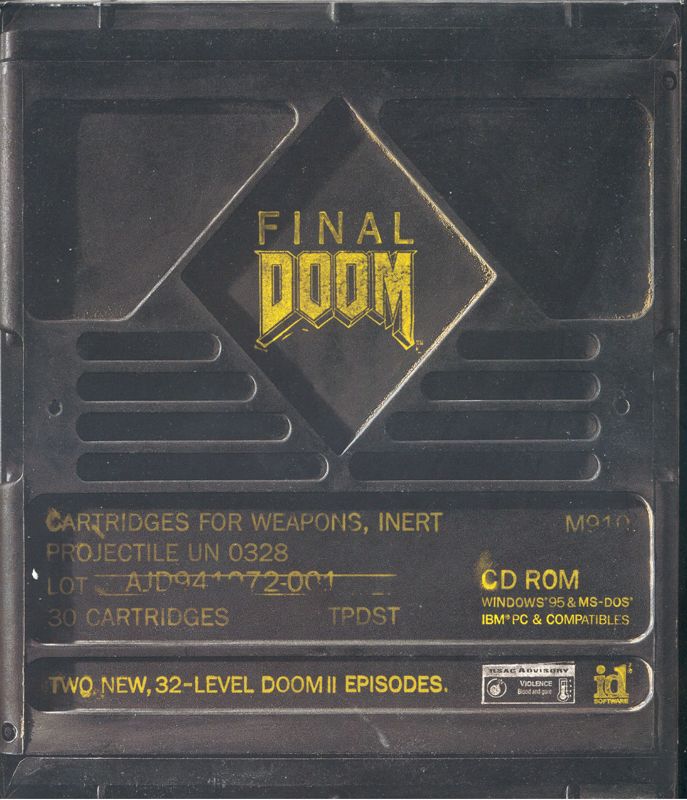
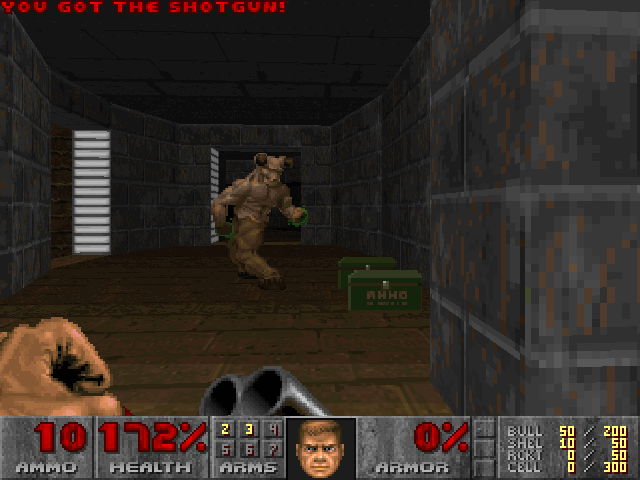
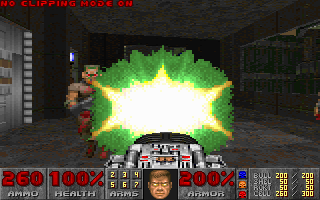
Final Doom stays true to the fast-paced, run-and-gun design that defined Doom II, offering players an immediate sense of familiarity. Both TNT: Evilution and The Plutonia Experiment present 32 levels each, following the same structure of 30 regular levels and two secret maps. The weapon roster, enemy roster, and item placements remain consistent with the id Tech 1 standard, so veterans of the series will feel right at home diving into these new challenges.
(HEY YOU!! We hope you enjoy! We try not to run ads. So basically, this is a very expensive hobby running this site. Please consider joining us for updates, forums, and more. Network w/ us to make some cash or friends while retro gaming, and you can win some free retro games for posting. Okay, carry on 👍)
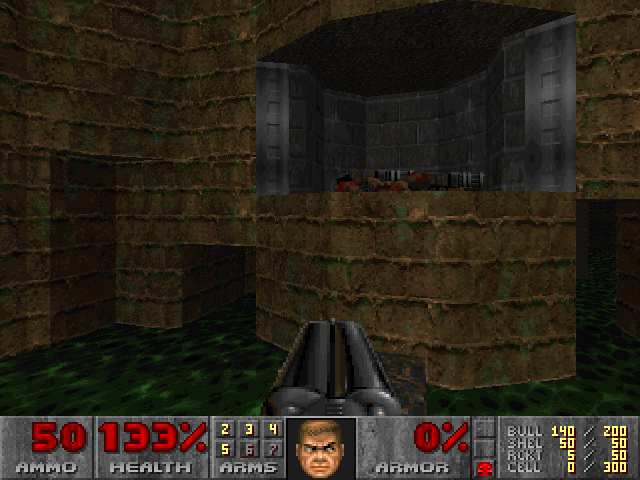
Team TNT’s Evilution episode leans toward a more balanced difficulty curve, introducing cleverly placed ambushes and environmental puzzles without overwhelming newcomers. New textures and a handful of custom music tracks help differentiate these maps from the original Doom II content. The level design here is inventive but forgiving; players can expect well-lit arenas, hidden health and ammo caches, and a reasonable progression that ramps up tension without delivering constant insta-deaths.
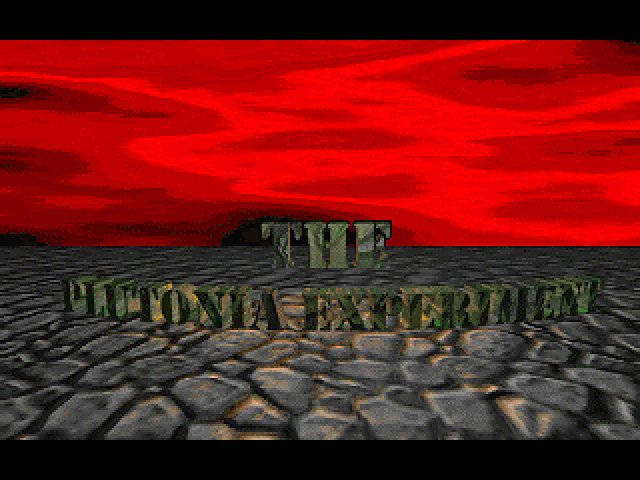
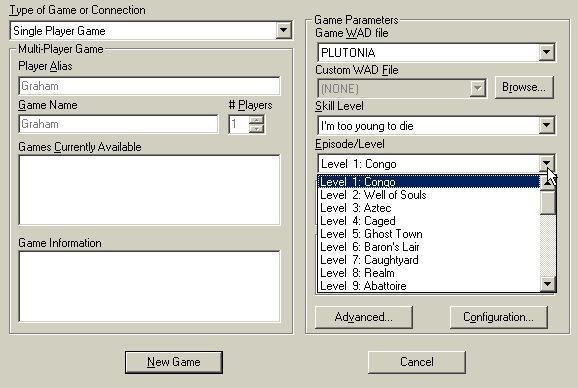
By contrast, The Plutonia Experiment—crafted by the Casali brothers—turns up the difficulty meter to eleven. This episode is notorious for its tight corridors, devious trap placements, and relentless waves of high-tier demons. Resource management becomes a critical skill, as ammunition and health pickups are scarce in key junctures. For seasoned Doom aficionados seeking a punishing test of reflexes and map knowledge, Plutonia delivers a masterclass in hardcore level design.
Graphics
Although Final Doom runs on the venerable id Tech 1 engine, the two episodes introduce a number of fresh visual elements. Team TNT adds new wall and floor textures—ranging from rusty industrial panels to dripping organic growths—that give Evilution its own atmospheric identity. These touches break up the visual monotony of the original Doom II palette and reinforce the sense of exploring a newly corrupted complex.
The Plutonia Experiment’s visuals feel more subdued but no less effective. The Casali brothers rely on clever use of lighting and repeating motifs—such as blood-stained pillars and jagged rock formations—to evoke a claustrophobic, hellish environment. With minimal new sprites or graphical effects, Plutonia instead emphasizes layout and lighting contrasts, using darker rooms punctuated by sudden, brightly lit demon encounters to keep players on edge.
On modern hardware, the pixelated sprites and 2.5D architecture of id Tech 1 may feel dated, but part of Final Doom’s appeal lies precisely in its retro charm. When played with source ports like GZDoom or Chocolate Doom, players can enjoy higher resolutions, customizable HUDs, and smooth mouse look without sacrificing the game’s classic aesthetic. The result is a visually nostalgic package that still looks and feels like a quintessential ’90s shooter.
Story
Final Doom does not revolutionize the Doom narrative, but it does provide a loose continuation of Doom II’s events. Both episodes pick up right after the invasion of Earth, placing the player in newly discovered UAC installations overrun by demonic forces. This minimal backstory serves primarily as context for the onslaught of enemies and the exploration of sprawling, labyrinthine levels.
TNT: Evilution frames its narrative around a renegade scientist who unleashes a fresh wave of hellspawn in a remote research facility. While the story never goes beyond brief text screens, the sense of isolation and impending doom is effectively conveyed through level names and environmental clues. Players will find themselves piecing together the unraveling experiment as they battle through laboratories, sewage ducts, and energy reactors.
The Plutonia Experiment offers an even starker premise: a classified Earth outpost inadvertently opens a gateway to Hades itself. Once again, narrative details are sparse, but the oppressive level designs and sudden demon ambushes do most of the storytelling. In Plutonia, every cramped hallway communicates danger, and the relentless pacing implies that the player character is fighting a losing battle against forces beyond comprehension.
Overall Experience
For fans of classic first-person shooters, Final Doom represents a substantial content upgrade at a modest price point. The combined 64 new levels add hours of adrenaline-fueled gameplay, making it a must-have expansion for anyone who still thrills at demon runs and shotgun blasts. The split design—one episode more approachable, the other brutally challenging—gives players two distinct flavors of Doom-style carnage.
The only real caveat is that Final Doom offers no major innovations over Doom II. If you’re looking for new weapons, radically different enemies, or deep narrative twists, you may come away wanting more. Instead, this is a content-driven package aimed squarely at purists who want more of the same: more maps, more monsters, and more of that unmistakable blend of speed and mayhem.
Ultimately, Final Doom’s enduring appeal lies in its pure, undiluted continuation of the classic Doom formula. Whether you tackle TNT: Evilution’s measured challenges or brace yourself for Plutonia’s ruthless gauntlets, you’re guaranteed a substantial dose of fast-paced action. For players longing to relive or complete their Doom collection, Final Doom remains a highly recommended addition to the library.


Reviews
There are no reviews yet.