 Retro Replay Retro Replay gaming reviews, news, emulation, geek stuff and more!
Retro Replay Review
Gameplay
High Command: Europe 1939–’45 places you at the helm of the entire war effort, challenging you to juggle political, economic, and military operations across a sprawling continent. As leader of either the Allied or Axis High Command, your daily decisions range from allocating wartime resources to coordinating multi-front offensives. Every choice, from high-level strategic directives to microscopic logistics management, can tip the scales of war in your favor—or see your nation crumble under enemy pressure.
(HEY YOU!! We hope you enjoy! We try not to run ads. So basically, this is a very expensive hobby running this site. Please consider joining us for updates, forums, and more. Network w/ us to make some cash or friends while retro gaming, and you can win some free retro games for posting. Okay, carry on 👍)
The game’s turn-based structure encourages careful deliberation and long-term planning. You’ll convene virtual war councils, negotiate alliances or shipping convoys, and decide whether to prioritize tank production over air superiority. These layers of decision-making are backed by a wealth of historical data, offering an immersive sandbox in which alternate histories naturally emerge from your strategic gambits.
Despite its deep complexity, High Command strikes a fine balance between accessibility and realism. A comprehensive tutorial introduces core mechanics—research trees, industrial output management, and theater-level orders—while contextual tooltips ensure you’re never left guessing. Once comfortable with the basics, you’ll find yourself absorbed in the delicate art of wartime leadership, where even small miscalculations can cascade into major defeats.
Graphics
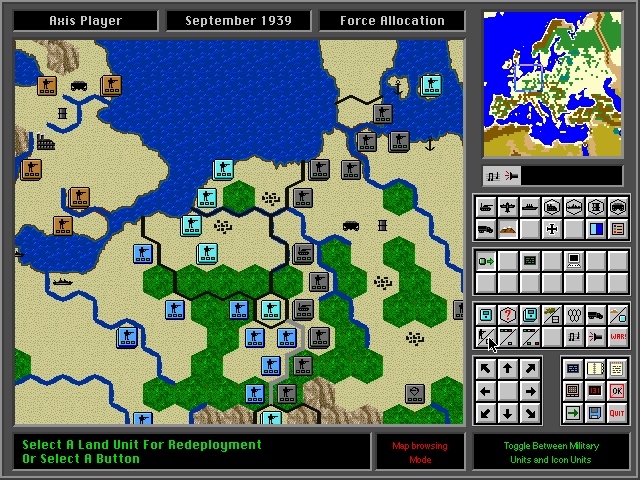
The visual presentation of High Command leans toward functional clarity rather than flashy spectacle. The map of Europe is rendered with crisp, readable terrain icons, clear province boundaries, and color-coded unit counters that make it easy to assess frontlines at a glance. Whether you’re zooming out for a grand overview or zooming in on a critical border region, the interface remains clean and unambiguous.
Unit graphics are deliberately minimalist, focusing on counters and symbols instead of 3D models. This design choice places emphasis on strategic decision-making rather than tactical animations. That said, small touches—such as dynamic weather overlays, city occupation markers, and animated convoy routes—add life to the theater of operations without cluttering the screen.
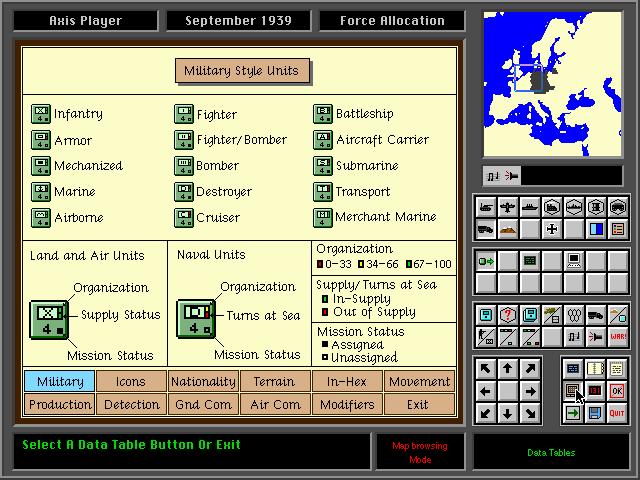
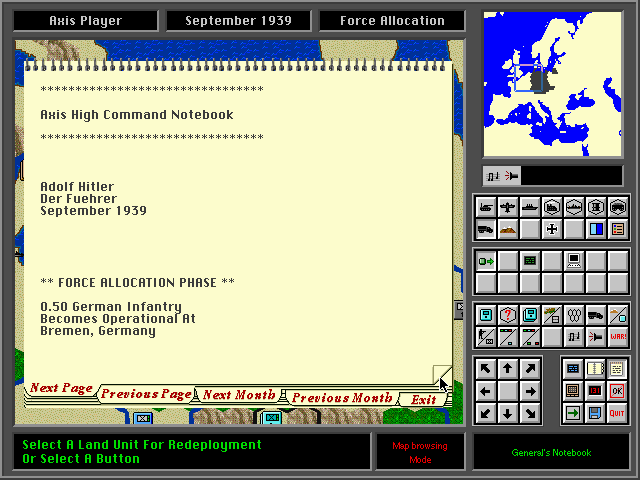
The UI itself is thoughtfully organized, with separate tabs for research progress, political events, and production queues. Pop-up event windows feature period-appropriate artwork and concise historical text, reinforcing the WWII atmosphere. While purists may prefer higher-fidelity visuals, the game’s aesthetic succeeds in keeping the spotlight firmly on complex strategy rather than graphical showmanship.
Story
Though High Command doesn’t adhere to a linear narrative in the traditional sense, it weaves an emergent story unique to each playthrough. As you navigate diplomatic tensions, shifting alliances, and surprise offensives, you’ll experience the ebb and flow of the Second World War from an unparalleled vantage point. Every war council briefing and crisis event contributes to a living historical tapestry shaped by your leadership.
Political events—ranging from domestic dissent to covert operations—inject narrative flavor into the high-level gameplay. You may find yourself breaking trade embargoes to secure essential resources, or launching espionage missions to sabotage an enemy’s industrial heartland. These story beats emerge organically from your decisions, ensuring that no two campaigns unfold the same way.
Character sketches of key historical figures lend further depth, as your relationships with foreign ministers and generals can influence strategic options. The absence of a tightly scripted storyline allows the game to adapt dynamically to player choices, offering a sandbox for both history buffs and “what-if” strategists to craft their own wartime sagas.
Overall Experience
High Command: Europe 1939–’45 delivers a deeply engaging, high-stakes simulation of WWII leadership. Its intricate political and economic layers complement the robust military planning, creating a multifaceted experience that rewards patience and strategic foresight. Whether you’re orchestrating a lightning armored thrust through the Ardennes or managing the Allied supply lifelines to Stalingrad, the game consistently challenges you to think several moves ahead.
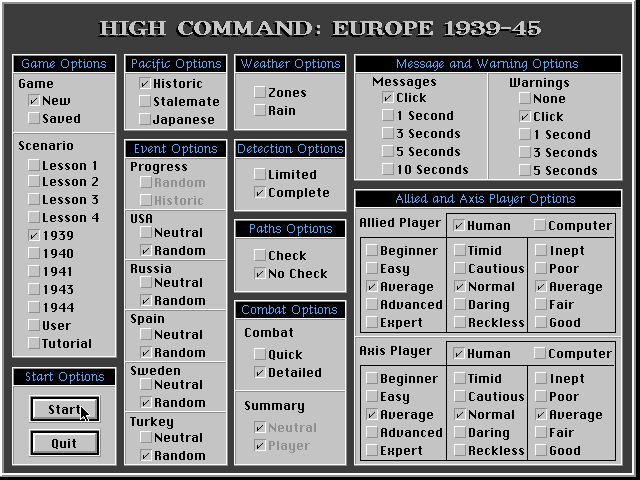
For dedicated strategy enthusiasts, the game’s blend of historical authenticity and replayability is a major draw. The procedural event system and variable AI behaviors ensure that no campaign ever feels predictable. Moreover, the clear, well-structured UI helps newcomers climb the learning curve, while advanced options let veterans fine-tune every aspect of the war machine.
While the visual style may not match the flashiest modern titles, High Command’s focus on depth over dazzle makes for a compelling proposition. It stands out in the grand strategy genre by offering both a realistic portrait of WWII command and the freedom to alter history through bold—and sometimes audacious—decisions. In the crucible of high command, every choice matters, and High Command: Europe 1939–’45 ensures each one resonates with consequence.



Reviews
There are no reviews yet.