 Retro Replay Retro Replay gaming reviews, news, emulation, geek stuff and more!



Retro Replay Review
Gameplay
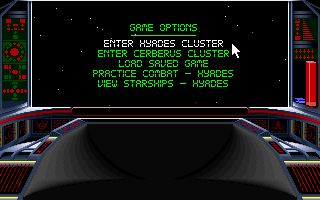
Lightspeed drops you into the pilot’s seat of a Trailblazer-class scout, a heavy but versatile ship tasked with scouting new star systems for humanity’s next home. Early missions focus on navigating the map of two distinct star clusters, each offering a different challenge level. As you chart uninhabited systems, you can claim planets rich in minerals and gases, setting up the foundation for your colony’s survival.
(HEY YOU!! We hope you enjoy! We try not to run ads. So basically, this is a very expensive hobby running this site. Please consider joining us for updates, forums, and more. Network w/ us to make some cash or friends while retro gaming, and you can win some free retro games for posting. Okay, carry on 👍)
Resource management lies at the heart of Lightspeed’s gameplay loop. Unclaimed worlds yield raw materials, but scars from Earth’s demise mean those resources alone won’t last. To stay ahead, you must broker trade agreements or peace treaties with the galaxy’s various alien species. Each race has its own temperament—some prize honor and trade, while others demand military favors before they’ll sign any deal. These negotiations add a layer of strategy that keeps you weighing every diplomatic overture against your dwindling reserves.
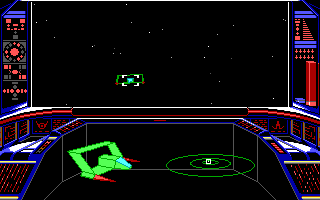
When diplomacy fails, the Trailblazer’s combat systems come into play. Though sluggish in movement, the ship boasts a powerful main cannon and an automated turret. You can also deploy remote-controlled chassis models—guided missiles for pure firepower, kamikaze units for one-way strikes, or dogfighting fighters you can pilot yourself. These combat options give you the freedom to tackle hostile forces in creative ways, whether you prefer a direct assault or hit-and-run tactics.
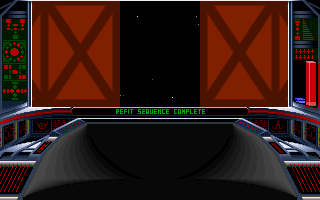
Ship customization is another deep facet of gameplay. Weapons, shields, and propulsion all rely on modular parts you mount in the engine room. After a skirmish, salvaged components from wrecked alien vessels or derelict stations can be swapped in to boost speed, firepower, or defenses. Since each module can serve multiple ship systems, you’re constantly juggling trade-offs—sacrifice a bit of shield strength to get faster warp jumps, or vice versa. This level of granular control ensures every decision feels meaningful, and no two builds ever play out the same.
Between exploration, trading, and combat, Lightspeed’s gameplay loop remains consistently engaging. There’s always another planet to survey, another species to woo—or to fight—and another upgrade hiding among the stars. The variety of tasks and the freedom to tackle them in your own style make each session feel fresh, whether you’re negotiating a tricky alliance or mounting a daring raid into enemy territory.
Graphics
Visually, Lightspeed leans into a semi-realistic sci-fi aesthetic. Starfields shimmer in the background while your HUD overlays sleek, minimalist gauges for shield strength, engine output, and weapon status. Planetary surfaces are rendered with enough detail to distinguish frozen tundras from dusty deserts, making the process of scouting worlds feel immersive and worthwhile.
The design of the Trailblazer and its remote chassis units is equally polished. Your flagship has a chunky, industrial look that conveys its slow but sturdy nature. In contrast, the missile and fighter drones feature sharper angles and glowing thrusters, emphasizing speed and agility. During combat, muzzle flashes and explosions light up the void in vivid bursts, giving each skirmish a satisfying visual payoff.
Alien species boast distinct visual identities that reinforce their cultural quirks. One race may appear insectoid with multi-segmented armor plates, while another looks almost angelic, with translucent wings and luminescent patterns. These design choices help you recognize each faction at a glance, which is vital during hectic battles or rapid-fire diplomatic conferences.
Environmental effects also shine in Lightspeed. Warp jumps warp the stars around you in a cinematic rush, and ion storms on certain planetary systems create crackling electric arcs that dance across the screen. Even the ship’s damage model is visually clear: broken modules spark and emit smoke, prompting you to divert power or find replacement parts before systems fail completely.
Overall, Lightspeed’s graphics strike a balance between functional clarity and sci-fi spectacle. It may not rival big-budget space simulators, but its visual style supports the gameplay perfectly, making exploration and combat both engaging and easy to follow.
Story
At its core, Lightspeed tells a familiar yet compelling tale: Earth has become a dead world, and humanity’s only salvation lies among the stars. You embody the hope of ten million people, shepherded across the galaxy by massive transport ships. Ahead of them flies your Trailblazer, scouting for a planet that can nurture the next great civilization. That sense of responsibility gives every mission weight, turning routine exploration into a meaningful quest.
The narrative unfolds largely through mission briefs and in-game contacts with alien ambassadors. While there’s no cinematic storytelling in the traditional sense, each diplomatic negotiation and combat report adds another layer to the overarching saga. As you broker alliances or wage war, you’re constantly reminded of the fragile tightrope humanity walks between survival and extinction.
Aliens in Lightspeed aren’t one-dimensional. Each species comes with its own background—some recall ancient conflicts or adhere to rigid codes of honor, while others view all newcomers with suspicion. Learning their customs through dialogue choices and trade proposals adds depth to what could otherwise be a purely mechanical experience. When diplomacy leads to peace treaties, you get a small flourish of story text explaining the broader impact on your colony’s chances.
Combat missions, too, carry narrative weight. A raiding party you send to weaken a hostile alien stronghold might uncover hidden research or ancient ruins, teasing new story threads without derailing the main objective. Even the act of scavenging alien wreckage becomes meaningful when you realize which parts came from the flagship of a once-proud civilization now lost to war.
While the story doesn’t break ambitious new ground in sci-fi, its blend of resource struggle, interstellar politics, and modular revelations keeps you invested. Every success and setback feels like another chapter in humanity’s desperate odyssey across the void.
Overall Experience
Lightspeed excels at weaving exploration, diplomacy, and combat into a cohesive whole. You’ll find yourself plunging into a star map to survey new systems, switching to diplomatic channels to negotiate with wary aliens, and then jumping into a firefight to defend your claims—all within the same play session. This seamless integration of mechanics ensures that boredom never sets in and that your objectives always feel interconnected.
The learning curve can be steep, especially when it comes to managing modular ship systems and understanding each alien race’s intricacies. However, once you grasp the basic trade-offs—whether to siphon power for a speed boost or to shore up shields against an impending attack—the game opens up in exciting ways. Veteran players will appreciate the depth of customization and the freedom to develop specialized builds tailored to exploration, trade, or warfare.
Replayability is strong thanks to the selectable star clusters, each offering different resource densities and threat levels. Randomized planet attributes and alien dispositions mean no two campaigns play out identically. Even after you’ve secured a new colony world, the late-game challenge of expanding influence and navigating interstellar politics can keep you hooked for hours more.
While Lightspeed may feel a bit rough around the edges in certain UI elements or pacing during early missions, these quirks quickly fade in the face of its strategic richness. For players who love space-faring adventures with a blend of tactical combat and diplomatic nuance, Lightspeed offers a rewarding journey through the stars—one that feels both grand in scope and personal in its stake for humanity’s future.
In sum, Lightspeed delivers an engrossing sci-fi sandbox that challenges you to think like a commander, a diplomat, and an explorer all at once. Its modular ship mechanics, varied alien encounters, and sweeping narrative stakes come together to create an experience that’s greater than the sum of its parts. Strap into your Trailblazer and prepare for a voyage that might just decide the fate of mankind.



Reviews
There are no reviews yet.