 Retro Replay Retro Replay gaming reviews, news, emulation, geek stuff and more!


Retro Replay Review
Gameplay
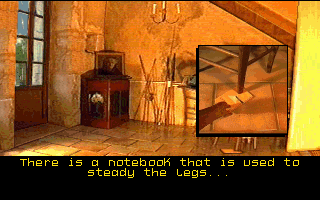
The core of Lost in Time lies in its finely tuned puzzle-solving mechanics. Players navigate from a first-person perspective, gathering enigmatic items and combining them in inventive ways to unlock new areas. The learning curve is balanced: early challenges introduce inventory management and object interactions, while later puzzles demand sharper observation and lateral thinking.
(HEY YOU!! We hope you enjoy! We try not to run ads. So basically, this is a very expensive hobby running this site. Please consider joining us for updates, forums, and more. Network w/ us to make some cash or friends while retro gaming, and you can win some free retro games for posting. Okay, carry on 👍)
Exploration is rewarded in every nook and cranny of the shipwreck and the island of St. Cristobald. The game’s hotspots react to your cursor, subtly guiding you toward actionable points without resorting to heavy-handed hint indicators. This organic approach encourages players to engage more deeply with the environment, fostering a genuine sense of discovery.
Short video clips and live-action sequences punctuate the gameplay, providing narrative feedback for your actions. Whether you successfully repair a key mechanism or trigger a hidden door, these clips add a cinematic flair, reminding you that each step advances Doralice toward her high-stakes mission. They break up longer stretches of static screens and reinforce the game’s story beats.
Controls are straightforward, though modern players might miss more responsive camera panning or smoother drag-and-drop mechanics. Still, the simplicity works in the game’s favor by keeping attention on puzzle logic rather than on mastering complex interfaces. A modest hint system provides gentle nudges if you’re ever stuck, ensuring that runners of all skill levels can progress without resorting to external guides.
Graphics
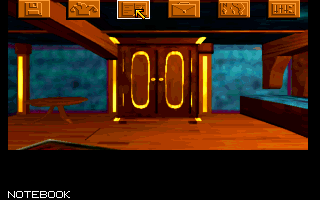
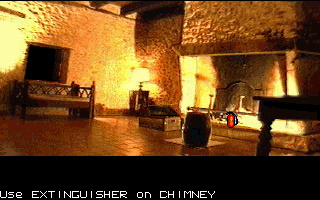
For a title released in the early ’90s, Lost in Time presents remarkably detailed hand-drawn backgrounds. The ship’s interior, cloaked in antiquated wood and rusted metal, transitions seamlessly to the lush tropical foliage of St. Cristobald. These pre-rendered scenes boast rich color palettes that stand the test of time.
The inclusion of short FMV clips featuring live actors lends a unique charm and sense of realism. Though the resolution and color depth feel dated by today’s standards, the expressive performances anchor Doralice’s emotional journey. Subtly lit close-ups and dramatic camera angles enhance key moments, making them memorable despite their low resolution.
Environmental audio complements the visuals with ambient creaks of the ship, distant bird calls, and the occasional thunderstorm over the island. These soundscapes deepen immersion, ensuring that each location feels alive and distinct. Occasional MIDI music themes underline tension and wonder without overpowering the delicate atmosphere.
While modern gamers might notice pixelation or blocky edges, these technical limitations are offset by thoughtful art direction. The designers knew how to use light and shadow to guide the eye, emphasizing interactive elements and creating a cohesive world. Nostalgic appeal aside, the graphics still hold up as a testament to the era’s creative ambition.
Story
Lost in Time weaves an intriguing narrative that combines maritime mystery with science-fiction time travel. When Doralice discovers the shipwreck is actually a time vessel, the stakes are elevated from a simple exploration quest to an intertemporal chase. The premise of Americium 1492 adds a clever twist on historical artifact lore.
The characters, though few in number, make a strong impression. Doralice strikes a compelling balance between determined investigator and reluctant time agent. Her lineage ties to Jarlath Equs provide personal stakes that resonate throughout the game, giving every puzzle solved an emotional weight beyond mere completion.
Dialogues are concise yet effective, often delivered through on-screen text overlays and punctuated by FMV snippets. This hybrid storytelling keeps the narrative moving without long-winded exposition. The game’s pacing ensures that plot revelations come at just the right moments, maintaining a balance between cerebral puzzle work and dramatic storytelling.
Time travel paradoxes and moral dilemmas surface as you progress. The concept that Doralice’s own existence hinges on stopping Jarlath raises philosophical questions about fate and sacrifice. These thematic threads elevate Lost in Time beyond a routine adventure, making it a thoughtful exploration of consequence and identity.
Overall Experience
Lost in Time offers a richly layered adventure that blends intellectual challenges with an evocative narrative. Its strength lies in seamlessly fusing puzzles, exploration, and storytelling into a cohesive package. Few games of its era managed to strike this balance so adeptly.
The game’s moderate length—typically 6 to 8 hours for first-time players—avoids fatigue, yet leaves you wanting just a bit more. Its replay value emerges from the satisfaction of uncovering every hidden secret and the pleasure of experiencing those live-action moments again. Collectors of classic adventure titles will appreciate its polished presentation and depth.
While some modern conveniences are absent—like a built-in tutorial or ultra-smooth interface—their omission hardly detracts from the overall enjoyment. Nostalgic charm and robust puzzle design compensate for these minor shortcomings. Porting it to current systems or using a comfortable emulator can bridge the technical gap, ensuring smooth play on today’s hardware.
In summary, Lost in Time remains a standout in the adventure genre. Its thoughtful puzzles, atmospheric visuals, and emotionally resonant story deliver a memorable journey through past and future. Whether you’re chasing lost treasure or racing against fate itself, this title rewards curiosity and critical thinking at every turn.


Reviews
There are no reviews yet.