 Retro Replay Retro Replay gaming reviews, news, emulation, geek stuff and more!


Retro Replay Review
Gameplay
Lu Ding Ji adopts a classic Japanese‐style RPG structure, with turn‐based encounters and a top‐down perspective that will feel instantly familiar to fans of early Final Fantasy titles. Battles unfold in a series of rounds: you issue commands—attack, defend, cast spells or use items—to Wei Xiaobao and his allies, then watch the action play out. This approach keeps combat straightforward, allowing you to focus on strategy rather than reflexes.
(HEY YOU!! We hope you enjoy! We try not to run ads. So basically, this is a very expensive hobby running this site. Please consider joining us for updates, forums, and more. Network w/ us to make some cash or friends while retro gaming, and you can win some free retro games for posting. Okay, carry on 👍)
Character progression adheres to traditional leveling mechanics. As Wei Xiaobao gains experience, his HP and MP totals increase, new spells become available, and he learns special martial arts techniques that draw directly from wuxia lore. Equipping the right weapons and armor can make a critical difference in tougher fights, and distributing stat‐boosting items strategically adds a light layer of customization to your party.
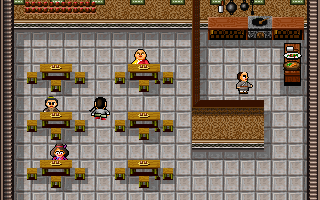
Exploration in Lu Ding Ji is built around a network of towns and wilderness areas—Yangzhou, Beijing and various mountainous hideouts—each populated with NPCs who offer side quests, rumors and occasional minigames. These side activities expand the world beyond the main narrative and provide useful rewards, encouraging thorough exploration before advancing the story.
The pacing of combat encounters is generally well balanced, though some players may encounter grinding in mid‐game segments where leveling is necessary to face new court intrigues or powerful Tiandi martial arts foes. For completionists, repeatable challenges and optional boss battles offer further opportunities to test your tactical skills and round out the roster of martial arts techniques.
Graphics
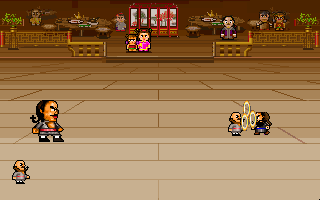
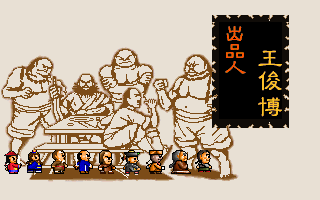
Visually, Lu Ding Ji embraces a “super‐deformed” or chibi art style, giving characters oversized heads and expressive faces that contrast playfully with the weighty political drama of the Qing court. This stylistic choice lends a lighthearted charm to the game and makes each character’s design instantly recognizable, whether they’re brothel owners or imperial eunuchs.
Backgrounds throughout the game are rendered in SNES‐inspired pixel art, complete with lush courtyard gardens, crowded Beijing marketplaces and misty mountainside vistas. While modern systems easily handle these visuals, the retro aesthetic is clearly a design decision, evoking nostalgia for 16‐bit era RPGs without sacrificing clarity or detail.
In battle, animations are concise but satisfying. Sword slashes and spell effects are accompanied by colorful flashes and character poses that emphasize impact. Though not as elaborate as contemporary JRPGs, the animations remain readable and inject a sense of energy into each fight.
That said, players accustomed to high‐definition character models may find the pixel art a little dated. Text boxes and menus stick to a simple, utilitarian palette, which can sometimes feel uninspired compared to the game’s more vibrant environments. However, the cohesive retro style serves the game’s nostalgic appeal and keeps the focus on gameplay rather than visual spectacle.
Story
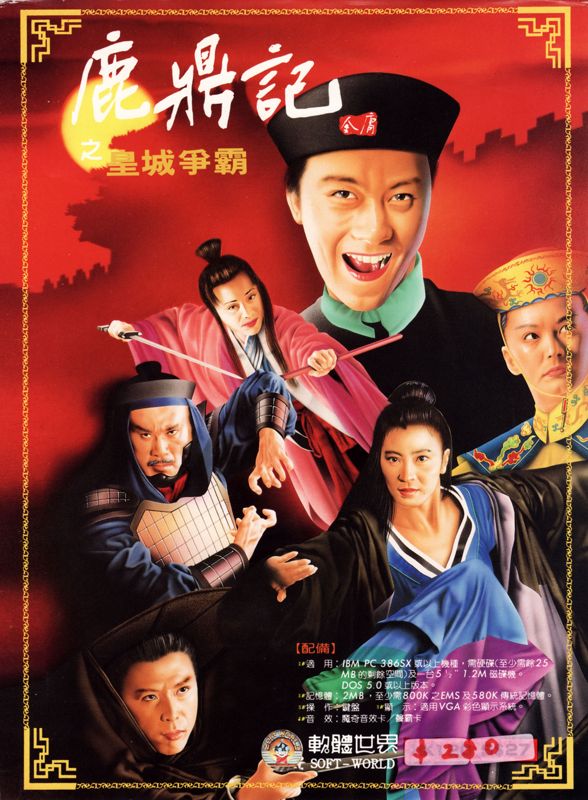
Based on Jinyong’s beloved wuxia novel The Deer and the Cauldron, Lu Ding Ji weaves a tale of political intrigue, unlikely heroism and roguish humor. You step into the shoes of Wei Xiaobao, a quick‐witted youth who rises from Yangzhou’s humble brothel district to the dizzying heights of the Kangxi Emperor’s court.
Wei Xiaobao’s narrative arc is driven by a series of chance encounters—most notably his friendship with the escaped convict Mao Shiba—and by a string of imperial missions that test his loyalty, cunning and moral compass. Dialogue is peppered with period slang and witty banter, capturing the novel’s irreverent tone and the social complexities of Qing‐era politics.
As the plot unfolds, you’ll navigate secret martial arts sects, seduce rival courtiers and decide where your allegiances lie: with the emperor who fosters you or with the Tiandi school that championed your first friend. These branching interactions add replay value, as different choices yield new alliances, betrayals and endings.
The strength of the story lies in its blend of historical detail and larger‐than‐life characters. Even if you’re unfamiliar with the source material, Wei Xiaobao’s irrepressible personality and the game’s steady stream of twists make for a compelling narrative journey through one of China’s most fascinating imperial eras.
Overall Experience
Lu Ding Ji offers a distinctive blend of Eastern literary heritage and familiar JRPG mechanics. Its retro‐styled graphics and turn‐based combat will immediately resonate with players who fondly remember the SNES era, while the wuxia storyline provides a fresh cultural perspective rarely seen in the genre.
Although some aspects—such as repetitive grinding and basic menu design—feel a bit dated, the game’s memorable characters and engaging court intrigue carry you through its 30+ hour campaign. A lightweight side‐quest system and optional boss fights add depth for completionists, and the pacing generally keeps you invested in Wei Xiaobao’s rise.
For fans of classic RPGs and Chinese martial arts fiction, Lu Ding Ji is a rewarding experience that marries two beloved traditions. Its humor, political machinations and variety of martial arts techniques make each playthrough feel distinct and entertaining.
While it may not boast the production values of modern AAA releases, Lu Ding Ji’s charming art style, strong narrative and solid RPG fundamentals make it a worthwhile pick for anyone seeking a culturally rich, story‐driven adventure with a nostalgic twist.



Reviews
There are no reviews yet.