 Retro Replay Retro Replay gaming reviews, news, emulation, geek stuff and more!
Retro Replay Review
Gameplay
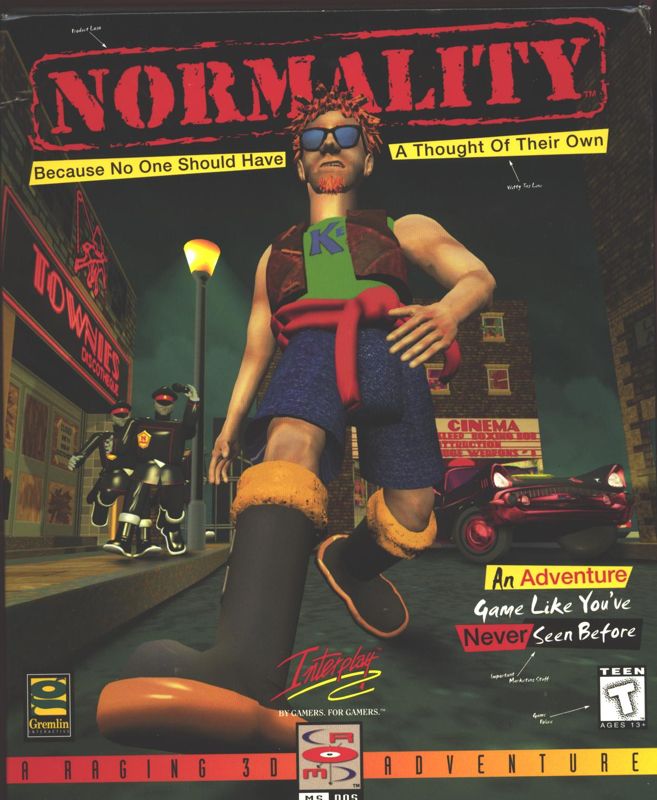
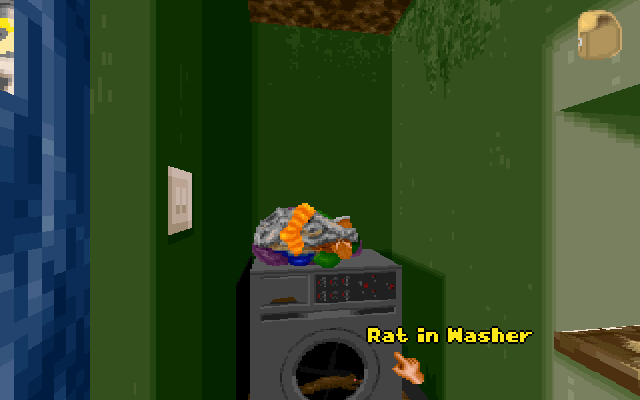
Normality places you firmly in the shoes of Kent Knutson, navigating the oppressive streets of Neutropolis in a fully three-dimensional environment. The game’s core loop revolves around classic point-and-click adventure mechanics: examine your surroundings, pick up intriguing items, combine objects in your inventory, and solve a series of interconnected puzzles to advance the plot. Encounter locked doors, coded messages, and oddball contraptions that require a bit of lateral thinking and patient experimentation.
(HEY YOU!! We hope you enjoy! We try not to run ads. So basically, this is a very expensive hobby running this site. Please consider joining us for updates, forums, and more. Network w/ us to make some cash or friends while retro gaming, and you can win some free retro games for posting. Okay, carry on 👍)
The puzzles in Normality often lean toward the inventive side, challenging you to use everyday items in unexpected ways. At times the logic can feel a touch obscure—expect to revisit earlier areas and reexamine objects once you’ve acquired a new tool or clue. For some players this can be a rewarding “aha” moment, while others may find themselves consulting a walkthrough to push past a sticky spot. A hint system is notably absent, so be prepared for genuine trial and error.
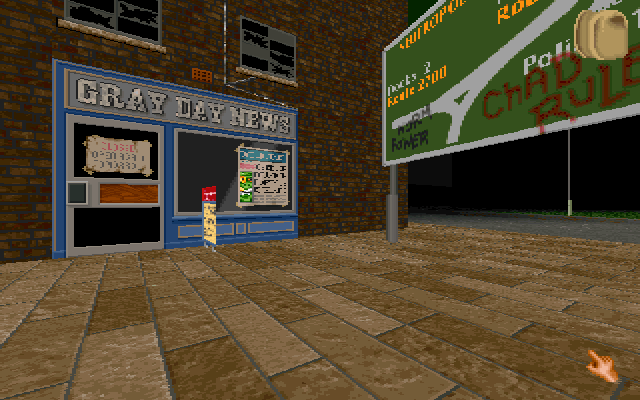
Movement and interaction are handled through a combination of mouse clicks and simple hotkeys, a norm for mid-’90s adventures. While the controls are generally intuitive, the fully 3D engine means collision detection and camera angles can occasionally feel clunky. There are moments when Kent’s stride can clip through scenery or when a narrow corridor requires pixel-perfect clicking. Despite these minor frustrations, navigating Neutropolis’s wide streets and dimly lit back alleys remains engaging, giving a true sense of a living, breathing dystopia.
Graphics
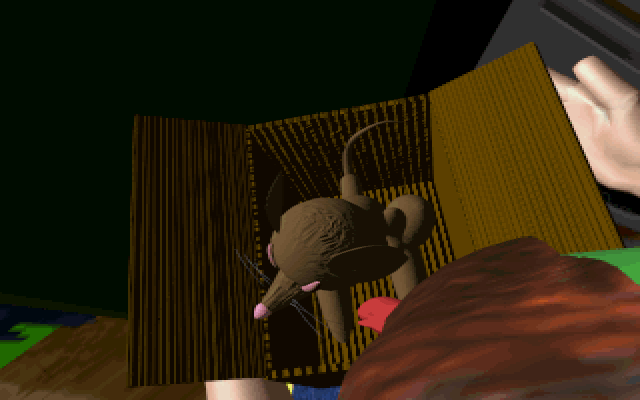
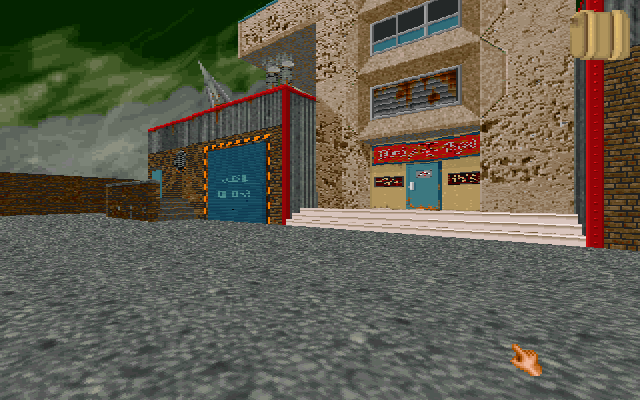
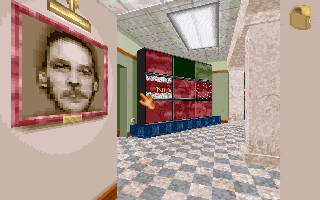
Graphically, Normality adopts a bright, cartoon-like aesthetic that sets it apart from darker, more realistic contemporaries. The boldly colored environments—from the drab steel of the Norms’ precincts to the neon signs of underground resistance bars—capture your eye and reinforce the game’s satirical tone. Textures are deliberately low-resolution by today’s standards, but this contributes to the title’s retro charm.
Character models are blocky and angular, with limited facial detail, yet they manage to convey personality through exaggerated gestures and expressive voice clips. NPC animations can sometimes appear stiff or repetitive, especially during long stretches of dialogue, but the overall effect is more endearing than off-putting. Cutscenes are sparse but effective, using the same in-engine graphics to move the narrative forward without jarring transitions.
The use of lighting and color palettes does a lot of heavy lifting in evoking the totalitarian atmosphere. Prison cells and government buildings are bathed in harsh whites and greys, while hidden rebel hideouts boast warmer tones that make you feel you’ve stumbled into a safe haven. Though the draw distance and polygon counts are modest by modern measures, the visual design remains coherent and memorable.
Story
Normality’s narrative centers on Kent Knutson, a cheerful teen who runs afoul of Neutropolis’s emotion-banishing regime simply by whistling a merry tune. Thrust into a drab prison for his fleeting grin, Kent discovers an underground pamphlet hinting at a resistance group committed to toppling the ruthless dictator. From that moment on, the story unfolds as a series of daring escapes, stealthy infiltrations, and clandestine meetings.
The writing leans into satire, poking fun at bureaucratic absurdities and the banality of totalitarian control. Dialogue exchanges often sprinkle in dry humor, lightening what could otherwise be a relentlessly grim tale. Side characters—from the exasperated cellmate with a penchant for poetry to the mysterious informant in a trench coat—add flavor and occasional comic relief, ensuring the plot never loses its human touch.
Despite its playful veneer, the story poses genuine questions about conformity, free will, and the value of emotional expression. Kent’s journey is as much about personal liberation as it is about political revolt. While some plot twists are predictable, the thematic resonance and occasional heartfelt moments give Normality an unexpectedly poignant core.
Overall Experience
Normality stands as an ambitious fusion of first-person 3D exploration and traditional adventure puzzle mechanics. Its colorful art style and satirical narrative create a distinctive identity, even if certain technical aspects—like camera collisions and obtuse puzzles—feel dated. Fans of ’90s adventure games will appreciate the nostalgia factor, while newcomers curious about retro titles may find the learning curve steep but ultimately rewarding.
The game’s length runs around 10 to 12 hours for a thorough playthrough, with additional time spent if you get stuck on any of the more cryptic brain-teasers. There are few truly dead-end scenarios, so reckless item usage won’t lock you out of progress entirely, though backtracking can become repetitive. Replay value lies mainly in revisiting favorite locales and re-experiencing Kent’s quirky dialogue.
For anyone intrigued by a lighthearted yet thought-provoking story set in a vividly strange world, Normality offers plenty to admire. Its blend of humor, political satire, and classic puzzle design makes it a worthwhile pick for adventure aficionados. Just be prepared to embrace the occasional rough edge of a mid-’90s 3D engine, and you’ll uncover a hidden gem that still resonates with rebellious spirit today.


Reviews
There are no reviews yet.