 Retro Replay Retro Replay gaming reviews, news, emulation, geek stuff and more!




Retro Replay Review
Gameplay
Pagan: Ultima VIII marks a significant departure from the traditional Ultima formula, leaning heavily into action-oriented mechanics. The Avatar can jump, climb, and scramble over obstacles, transforming many puzzles into platforming challenges rather than the usual cursor-driven tasks. This fresh agility adds momentum to exploration but occasionally leads to repetitive fetch-quests that highlight the platformer influence more than the RPG roots.
(HEY YOU!! We hope you enjoy! We try not to run ads. So basically, this is a very expensive hobby running this site. Please consider joining us for updates, forums, and more. Network w/ us to make some cash or friends while retro gaming, and you can win some free retro games for posting. Okay, carry on 👍)
Combat in Pagan is entirely your own affair. Absent are the loyal companions who once flanked the Avatar; here you stand alone against wave after wave of hostile creatures. Battles require split-second timing and keen reflexes as you block, dodge, and strike, relying on precise keyboard or joystick inputs. While this provides an adrenaline rush, it can also frustrate players accustomed to strategy-based party management.
The game dispenses with abstract experience points, replacing them with a “use-based” training system. Swing weapons to build strength, cast spells to sharpen magical prowess, and climb walls to boost agility. This organic progression feels realistic, rewarding repetitive skill usage, but it also risks unbalanced character builds if you favor one tactic over another. Balancing your approach is key to surviving Pagan’s relentless challenges.
Magic remains central, yet its implementation is markedly different. Four elemental schools—earth, air, fire, and water—govern spells, each demanding unique reagents and casting gestures. Mastering these schools isn’t just a mechanical hurdle; it’s essential to overcome the four towering Titans who embody each element. This integration of plot and mechanics keeps spellcasting compelling throughout the adventure.
Graphics
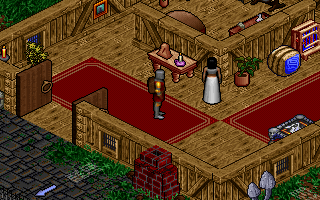
For its era, Pagan’s visuals are a bold step forward. Environments brim with jagged cliffs, moss-drenched ruins, and ominous temples, all bathed in a muted color palette that underscores the world’s foreboding atmosphere. Texture detail may appear dated by modern standards, but the rugged aesthetic perfectly suits the hostile terrain of Pagan.
Character models and animations display a surprising degree of fluidity. The Avatar’s running, jumping, and spellcasting sequences flow smoothly, thanks to Bioware’s push toward action-centric design. Enemy animations vary wildly—from the lumbering gait of rock golems to the sinuous glide of serpent creatures—adding visual variety to each encounter.
Lighting effects, though rudimentary, help sell the elemental theme. Flickering torches cast jagged shadows, while lava-filled caverns glow ominously red. Particle effects for spells—fireballs, lightning arcs, and swirling gusts—inject dynamic flair into combat. While texture resolution and polygon counts wouldn’t wow a contemporary audience, they remain serviceable and evocative of the world’s elemental dangers.
The optional speech pack, included in the CD-ROM Gold Edition, layers voice work atop the game’s audio landscape. Although lines are sparse, the gruff mutterings of titans and hushed incantations heighten immersion. Combined with a haunting, orchestral soundtrack, the overall presentation solidifies Pagan’s grim and mysterious ambiance.
Story
Pagan picks up directly from Ultima VII Part Two, plunging players into a realm under the eldritch dominion of the Guardian. With the Avatar stripped of his allies and marooned on a hostile island, the narrative tension is immediate: escape is the only goal, yet the path demands confronting four elemental Titans who each rule a corner of the world.
The structure is refreshingly non-linear. You can choose which elemental domain to tackle first—each Titan’s territory features unique architecture, puzzles, and adversaries. This branching design encourages exploration and revisiting previous zones with new magical abilities, rewarding curiosity with hidden chambers, lore fragments, and powerful artifacts.
Dialogue is sparse compared to earlier Ultima chapters, but when characters do speak, their terse exchanges convey the cruel nature of Pagan’s inhabitants. Towns are populated by suspicious cultists, hungry beasts, and disenfranchised exiles, painting a stark contrast to the bustling villages of Britannia. This shift intensifies the feeling of isolation and danger.
While the overarching goal—defeat the Titans and find a way home—remains clear, intermediate quests often veer into morally ambiguous territory. Does one risk unleashing a dormant horror for a chance at aid? Should you ally with a mad elemental priest to gain passage? These dilemmas, though fewer than in classic Ultima titles, give the story a darker, more mature edge.
Overall Experience
Pagan: Ultima VIII is a bold reinvention that blends action, platforming, and RPG elements into an evocative, if sometimes uneven, adventure. For players craving fast-paced combat and environmental traversal, it offers thrilling moments—scaling towering spires, unleashing devastating spells, and narrowly evading rampaging golems.
However, fans of traditional party-based strategy or deep NPC interaction may find the solo focus and pared-down dialogue disappointing. The use-based advancement system is innovative yet can feel grindy when attempting to unlock higher-tier skills. Likewise, platform puzzles add variety but occasionally stall the pacing with repetitive platform-hopping.
Graphically and aurally, Pagan captures a bleak, elemental world through its muted color schemes, dynamic lighting, and minimal voiceovers. The speech pack enhances immersion, but the game’s real strength lies in its atmosphere—every ruined temple and lava-choked cavern reinforces the Guardian’s malevolent influence.
Ultimately, Pagan is a love letter to players willing to embrace experimentation within a beloved franchise. It sacrifices some of Ultima’s signature depth for a streamlined, action-heavy journey. If you’re prepared to master reflex-based combat and relish exploring a hostile realm tied together by elemental lore, Pagan: Ultima VIII delivers a distinctive, memorable voyage back into a darker corner of the Ultima universe.


Reviews
There are no reviews yet.