 Retro Replay Retro Replay gaming reviews, news, emulation, geek stuff and more!



Retro Replay Review
Gameplay
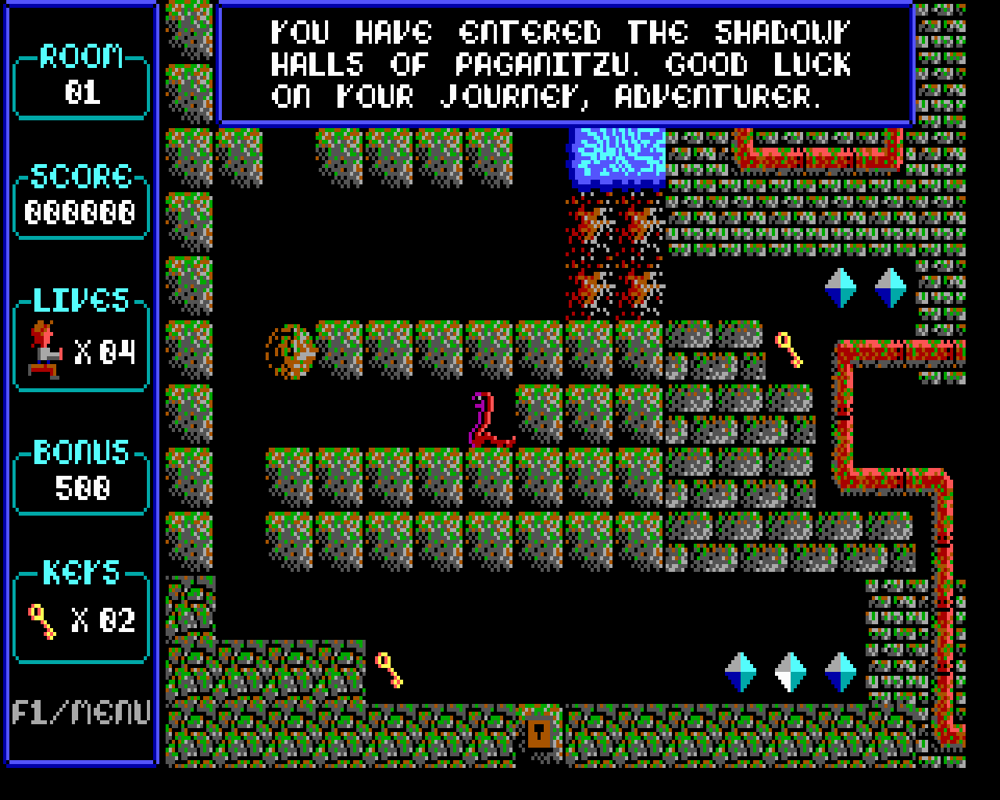
Paganitzu delivers a compelling blend of puzzle-solving and light action that keeps players on their toes from the very first room. Each chamber presents a distinct challenge: collect all the gems for points, find the correct keys to unlock the exit, and avoid the lethal hazards lurking in the shadows—snakes, spiders, and deadly traps. The game’s core mechanics hinge on carefully planning each step, as careless movement can trigger spikes or release a boulder that pins Alabama Smith forever.
(HEY YOU!! We hope you enjoy! We try not to run ads. So basically, this is a very expensive hobby running this site. Please consider joining us for updates, forums, and more. Network w/ us to make some cash or friends while retro gaming, and you can win some free retro games for posting. Okay, carry on 👍)
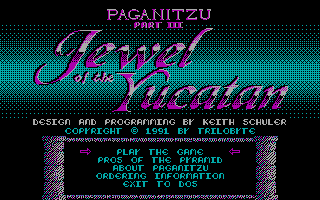
The three episodes—“Romancing The Rose,” “Quest For The Silver Dagger,” and “Jewel Of The Yucatan”—offer dozens of rooms that gradually ramp up in complexity. Early puzzles introduce the concept of pushing boulders to depress pressure plates or block off dangerous creatures, while later stages combine multiple elements at once. Timing becomes critical when navigating moving platforms or outrunning a falling rock, adding a pulse-pounding action twist to the cerebral gameplay.
Bonus points and secret areas are sprinkled generously throughout the levels, rewarding players who explore off the beaten path. Discovering hidden alcoves can net you extra gems, shortcuts, or even Easter-egg trivia—like the cheeky tips on how to “become bald in Episode One.” Speedrun enthusiasts will appreciate the built-in timer, which tracks completion time and encourages repeat playthroughs to shave off precious seconds.
Graphics
Though Paganitzu hails from an era when VGA resolutions dominated, its pixel art remains surprisingly vibrant and clear. Each episode sports a unique color palette—rosy pinks and greens in “Romancing The Rose,” steely silvers and grays in “Quest For The Silver Dagger,” and lush jungle hues in “Jewel Of The Yucatan.” This visual variety keeps each chapter feeling fresh and helps distinguish environmental hazards from collectible items.
Character animations are simple but effective. Alabama Smith’s walk cycle, gem-collecting flourish, and subtle recoil when bitten by a snake all contribute to the game’s charm. Enemies move in predictable patterns, allowing savvy players to anticipate their behavior. Boulders and trapdoors animate crisply, providing enough visual feedback to help you react in time—an essential feature when every pixel can mean the difference between progress and a game-over screen.
The user interface is minimalist yet informative. A small panel displays your current gem count, keys collected, and remaining time, ensuring that the action area remains uncluttered. Sound effects—including the clang of a key pickup and the hiss of a snake—are sparse but appropriately placed, letting the visuals and gameplay shine without unnecessary distraction.
Story
Paganitzu’s narrative is light on dialogue but heavy on atmosphere. You step into the boots of Alabama Smith, a daring treasure hunter on a quest for ancient artifacts and hidden riches. The episodic structure—centered around a magical rose, a silver dagger, and a legendary jewel—provides just enough context to motivate your puzzle-solving journey without bogging you down in exposition.
Each episode begins with a brief text introduction that teases the looming danger and the priceless treasure waiting at the end. While there are no cutscenes or voiced lines, the evocative level names and background graphics conjure images of lost temples, perilous crypts, and booby-trapped corridors. This minimalist storytelling approach lets players project their own sense of adventure onto Alabama Smith’s escapades.
Hidden narrative flourishes—like secret messages in concealed rooms or cheeky cheat-code hints—add to the game’s personality. These little touches underscore the developers’ playful attitude and invite players to dig deeper, both literally and figuratively. Though Paganitzu isn’t a story-driven epic, it weaves just enough lore into its puzzles to keep you invested from start to finish.
Overall Experience
Paganitzu remains a standout title in the puzzle-action genre, offering a well-balanced mix of intellectual challenge and adrenaline-pumping moments. Its episodic design means you can sample the first episode for free and then decide whether to invest in the next two. This shareware model was ahead of its time and still appeals to players who want a taste before they buy.
Replay value is high thanks to hidden rooms, speed-running incentives, and cheat codes that unlock bonus content. Even after clearing all three episodes, many players return for the thrill of beating their own best times or uncovering every secret nook. The optional sixty-page printed solution—complete with tongue-in-cheek secrets—adds a quirky nostalgic flair, though most dedicated puzzle solvers will relish discovering solutions on their own.
While modern audiences may find its visuals and audio sparse compared to today’s triple-A blockbusters, Paganitzu’s tight level design and clever puzzles still hold up remarkably well. It’s an ideal pick for retro gaming enthusiasts, puzzle aficionados, and anyone craving a bite-sized but challenging adventure that rewards patience, observation, and quick reflexes. Overall, Paganitzu delivers a memorable, timeless experience that strikes the perfect balance between brains and brawn.


Reviews
There are no reviews yet.