 Retro Replay Retro Replay gaming reviews, news, emulation, geek stuff and more!
Retro Replay Review
Gameplay
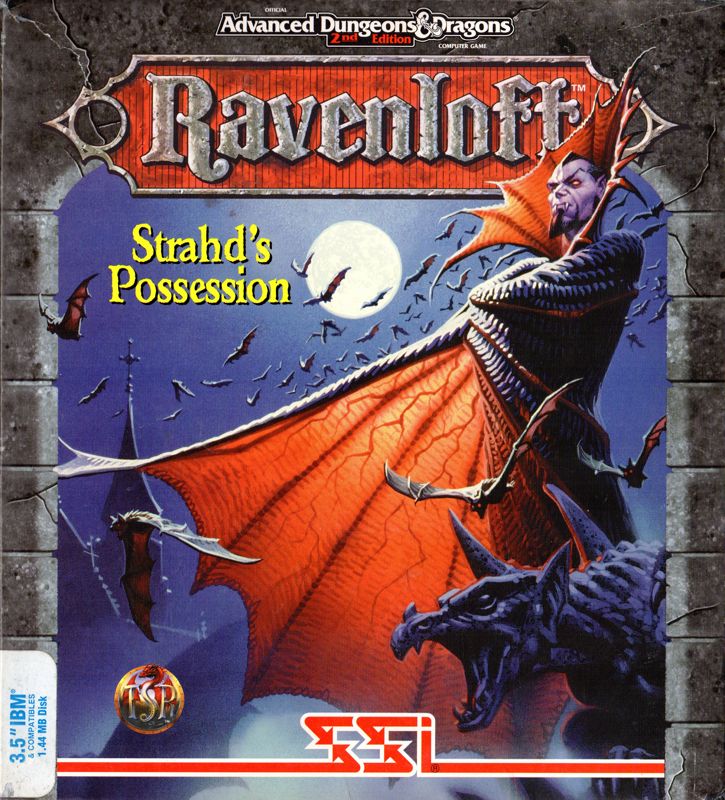
Ravenloft: Strahd’s Possession delivers a deeply engaging party-based RPG experience grounded in AD&D rules. Right from the outset, you assemble a two-character party using either pre-determined heroes or fully customizable avatars. Races span the classics—humans, elves, dwarves—and classes include fighters, clerics, mages, and more. This familiar framework invites players to experiment with different party synergies and builds, rewarding creative approaches to exploration and combat.
(HEY YOU!! We hope you enjoy! We try not to run ads. So basically, this is a very expensive hobby running this site. Please consider joining us for updates, forums, and more. Network w/ us to make some cash or friends while retro gaming, and you can win some free retro games for posting. Okay, carry on 👍)
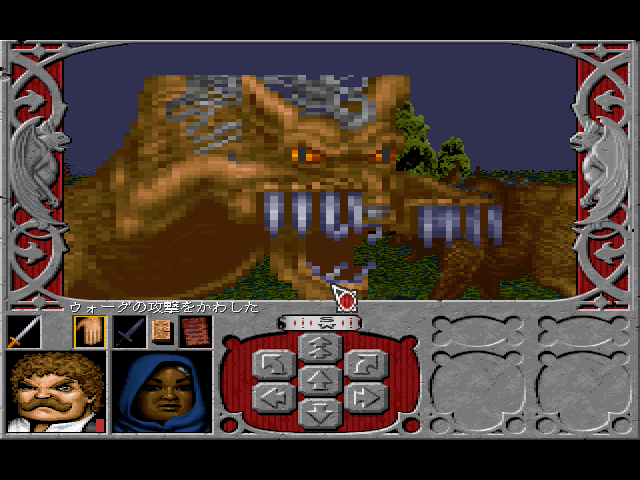
As you pursue the stolen Holy Symbol of Helm, combat unfolds in real time, offering a fluid alternative to turn-based encounters. Positioning matters: flank enemies in narrow corridors, kite dangerous foes with ranged attacks, or invoke divine spells at the crucial moment. The dynamic nature of skirmishes keeps tension high, and the ability to pause the action to issue orders allows thoughtful strategizing without sacrificing momentum.
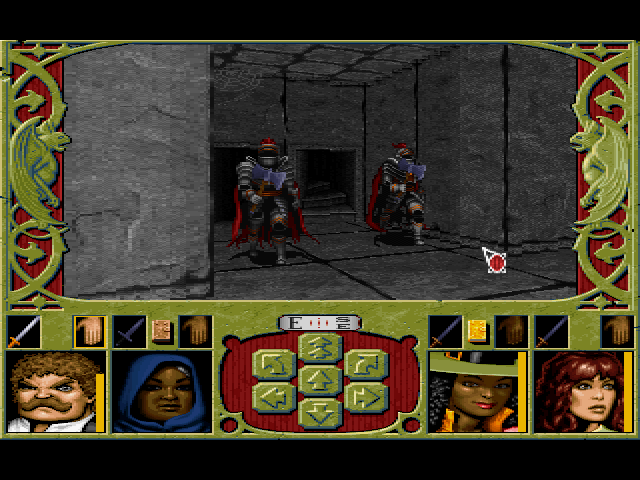
Exploration in the mist-shrouded domain of Ravenloft feels organic and immersive. The 3D engine supports seamless movement via arrow keys or mouse control, letting you weave through candlelit hallways, dank cellars, and misty moors without any loading transitions. Puzzles and hidden levers punctuate the journey, ensuring that every corner demands attention. Though the initial area can feel claustrophobic, gradual unlocking of new regions maintains a satisfying sense of progression.
Graphics
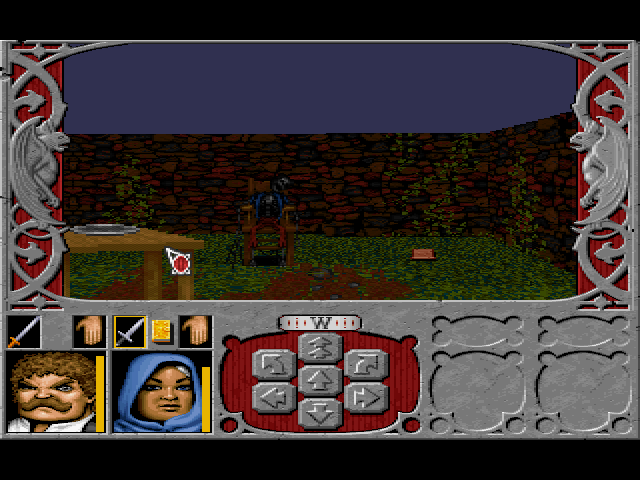
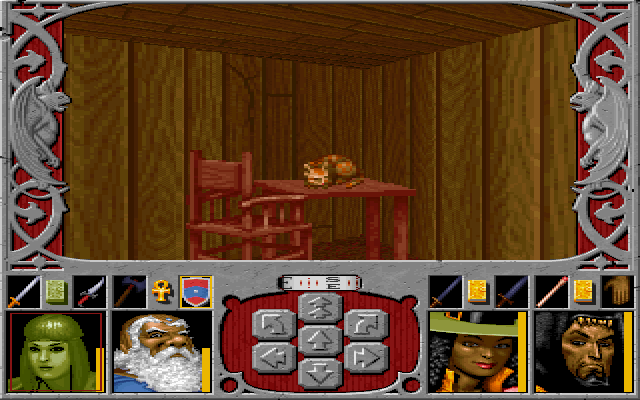
For its time, Strahd’s Possession showcases a remarkably atmospheric 3D engine. Torches cast flickering shadows on damp stone walls, and shafts of moonlight pierce heavy mist to reveal skeletal remains or hidden doorways. Textures are crisp enough to convey the grim mood, from mold-covered bricks to ornate tapestries depicting Strahd’s sinister reign.
The game’s color palette leans heavily into muted, gothic tones—grays, purples, and deep reds—amplifying the foreboding atmosphere. Character models, while not hyper-detailed by modern standards, sport clear class and race identifiers: the broad pauldrons of a fighter, the flowing robes of a mage, or the gleaming holy symbol of a cleric. These visual cues help you quickly assess party roles during hectic battles.
Environmental design stands out in key set-pieces. The imposing silhouette of Castle Ravenloft on a distant hill, swaying chains in an underground prison, and the throbbing heart of a vampire’s lair all feel distinct. Occasional frame-rate dips in densely populated scenes do little to detract from the overall aesthetic, and the minimalist UI keeps your view uncluttered, preserving immersion.
Story
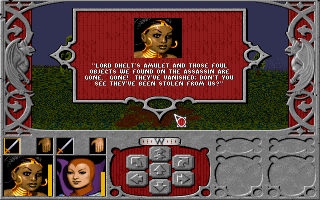
The central narrative hook—retrieving the stolen Holy Symbol of Helm for Lord Dhelt—serves as a brisk inciting incident. When you finally slay the assassin and reclaim the amulet, a sudden teleportation plunges you into an unknown, poisonous-mist-shrouded realm. This abrupt twist instantly transforms the quest into a desperate fight for survival and mystery.
Throughout Ravenloft, atmosphere is king. You gradually uncover the connection between the amulet’s latent powers and Strahd von Zarovich himself, the vampiric lord of this domain. Dialogue with NPCs is economical but effective, conveying dread and sorrow in short, memorable exchanges. Unraveling the layered backstory of Strahd’s curses and the amulet’s origin becomes a compulsive motivator.
The pacing strikes a solid balance between exploration, combat, and narrative reveals. Side quests—rescuing captive villagers, dispelling minor undead infestations, or solving cryptic riddles—augment the main plot and flesh out the bleak realm. Occasional tonal shifts into dark humor or tragic character moments provide welcome respite without undermining the pervasive sense of dread.
Overall Experience
Ravenloft: Strahd’s Possession stands as a high point in party-based AD&D adaptations. The fusion of real-time tactical combat, immersive 3D exploration, and a chilling gothic narrative creates an experience that remains compelling decades after its release. While some mechanics feel dated by modern standards, the core design—rooted in player choice and atmospheric storytelling—still resonates strongly.
Fans of old-school RPGs will appreciate the depth of character customization and the satisfaction of overcoming daunting encounters through clever tactics. Newcomers to the genre may need time to acclimate to the interface and pacing, but the tutorial sections and intuitive controls ease that learning curve. The absence of distracting subsystems keeps the focus squarely on adventuring and unraveling Strahd’s dark machinations.
In closing, Strahd’s Possession is a must-play for anyone craving a gothic-horror RPG with substantive gameplay and a memorable storyline. Its blend of atmospheric graphics, robust AD&D mechanics, and compelling narrative arc ensures that the mist-filled lands of Ravenloft remain as haunting today as they were at launch. For potential buyers seeking a rich, immersive dive into vampire-ruled horror, this classic remains a standout choice.

Reviews
There are no reviews yet.