 Retro Replay Retro Replay gaming reviews, news, emulation, geek stuff and more!

Retro Replay Review
Gameplay
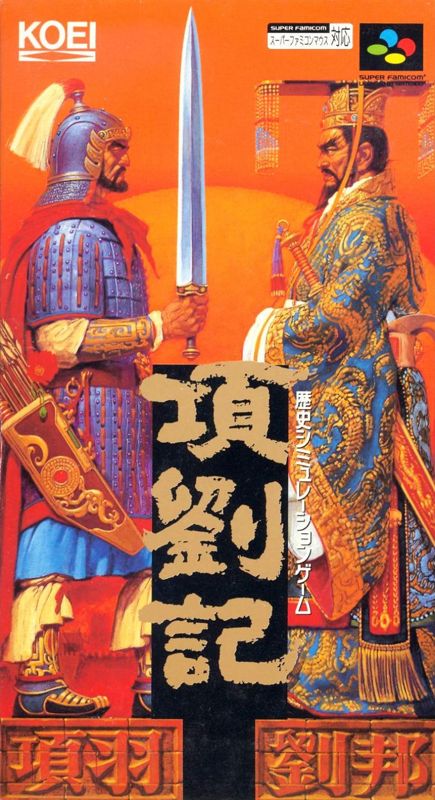
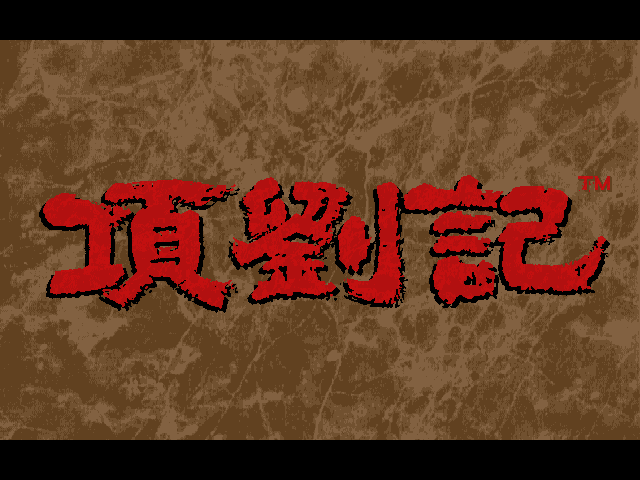
Rise of the Phoenix builds upon Koei’s classic strategic formula, casting you as either Liu Bang or Xiang Yu as they vie for dominance over ancient China. The core loop revolves around an overhead map where you direct armies, manage cities, and wage both open-field engagements and dramatic castle sieges. Each turn you allocate resources, raise taxes in newly captured territories, and decide whether to press the attack or consolidate your holdings.
(HEY YOU!! We hope you enjoy! We try not to run ads. So basically, this is a very expensive hobby running this site. Please consider joining us for updates, forums, and more. Network w/ us to make some cash or friends while retro gaming, and you can win some free retro games for posting. Okay, carry on 👍)
Where Rise of the Phoenix truly shines is in its depth of tactical options. Beyond simple movement and assault orders, you can deploy secret night raids to cripple supply lines, set clever ambushes in mountain passes, or even flood enemy fortresses by damming rivers—an unforgettable spectacle when the waters burst through the gates. This range of choices encourages creative problem solving and keeps each campaign feeling fresh.
Multiplayer is handled gracefully: you can challenge a friend head-to-head on the same map or test your mettle against the computer’s AI. The pacing adapts whether you prefer swift, aggressive assaults or a slow, methodical siege warfare. While the learning curve is noticeable—newcomers may find the menu systems and layered commands daunting—veteran strategists will appreciate the sheer breadth of control at their fingertips.
Graphics
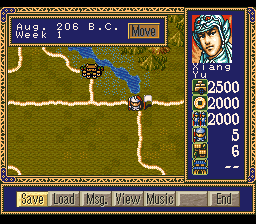
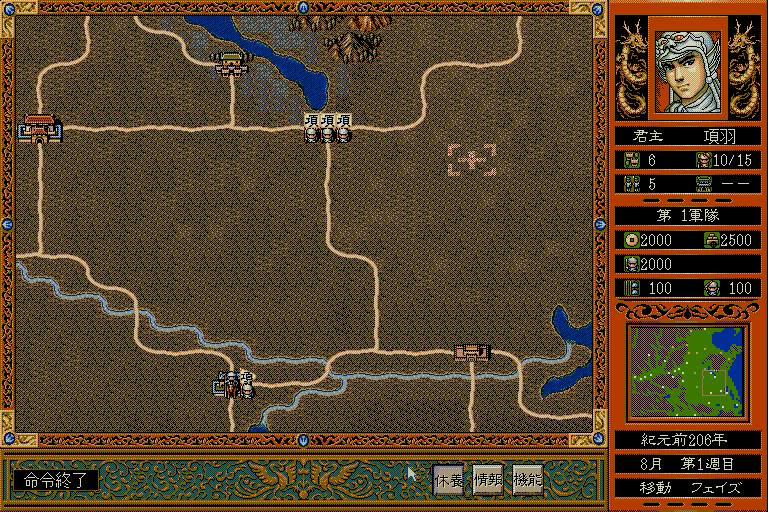
Although released in an era before high-definition visuals, Rise of the Phoenix delivers surprisingly clear and informative graphics. The overworld map is crisply rendered, with cities, rivers, and mountain ranges clearly distinguished. Units are represented by easily recognizable icons, allowing you to assess your strategic position at a glance.
Battle sequences are presented in a stylized, side-view tableau. Castle walls, siege engines, and formations on the open field appear in simple yet serviceable detail. While these scenes lack the flourishes of modern engines, they serve their purpose by conveying troop strength, terrain advantages, and the consequences of your tactical choices without clutter.
User interface elements are clean and unobtrusive, letting the strategic map remain the focus. Menus pop up with clear labels for movement, diplomacy, and special actions like night raids or river diversions. Though the palette is somewhat muted by today’s standards, the overall visual clarity helps maintain immersion in the strategic planning process.
Story
Rise of the Phoenix transports players to 206 B.C., a turbulent time marked by the power struggle between Liu Bang and Xiang Yu. The narrative framework is light but evocative, drawing on the rich tapestry of Chinese history and legend. Brief chapter introductions set the stage for each campaign, reminding you of the stakes as entire provinces teeter on the brink of revolt.
While there are no fully voiced cutscenes, text-based event descriptions and character portraits breathe life into key moments—betrayals, breakthroughs, and turning points in the war. Advisors and rival generals deliver snippets of counsel and taunts, adding personality to what might otherwise be a purely numbers-driven exercise.
The game’s sandbox nature means you can rewrite history. Will you march swiftly on Xiang Yu’s stronghold, or will you employ subterfuge and guerilla tactics to whittle down his forces? Each decision feels significant, and the unfolding story is as much a product of your strategic mastery as it is of the scripted campaigns.
Overall Experience
Rise of the Phoenix stands as a testament to Koei’s expertise in crafting deep, historically inspired strategy games. Fans of methodical planning and regional conquests will find hours of replayability here, whether playing solo or facing off against a friend. The game rewards patience and careful thought, offering a satisfying sense of progression as you absorb new tactics and refine your approach.
Newcomers might initially be overwhelmed by the array of options and the lack of hand-holding tutorials, but perseverance pays off with a rewarding strategic sandbox. The resources you gather, the alliances you forge, and the tactics you deploy all contribute to a palpable rise in power that mirrors the game’s title.
Despite its age, Rise of the Phoenix remains an engaging entry in the historical strategy genre. Its combination of overhead campaign management, varied battle scenarios, and dynamic strategic possibilities ensure it still feels relevant to players seeking a thoughtful, turn-based challenge. If you’re eager to experience an era of epic struggles and outwit your opponent through ingenuity rather than sheer force, this title deserves a place in your collection.



Reviews
There are no reviews yet.