 Retro Replay Retro Replay gaming reviews, news, emulation, geek stuff and more!



Retro Replay Review
Gameplay
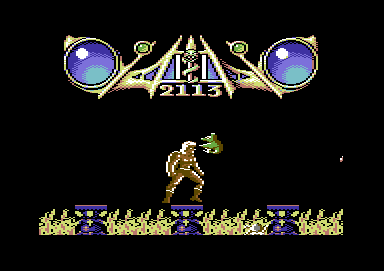
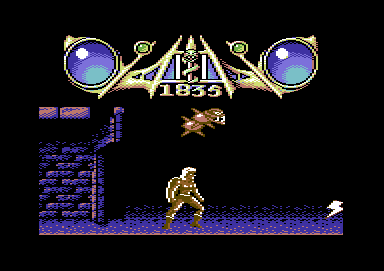
Savage delivers a diverse gameplay experience by splitting its action into three distinct segments. The first part plays out as a side-scrolling shooter where Savage, the muscular warrior, blasts enemies with a variety of trajectory-based shots. Enemies drop treasures and weapon upgrades that add depth to the combat loop, encouraging players to learn enemy patterns and optimize their shots. This section serves as an introduction to Savage’s arsenal and sets a brisk pace for what lies ahead.
(HEY YOU!! We hope you enjoy! We try not to run ads. So basically, this is a very expensive hobby running this site. Please consider joining us for updates, forums, and more. Network w/ us to make some cash or friends while retro gaming, and you can win some free retro games for posting. Okay, carry on 👍)
The second segment shifts to a first-person perspective akin to Space Harrier, challenging players to mow down flying skulls and dodge oncoming monoliths. While the controls remain relatively simple—move, shoot, and avoid obstacles—the sense of speed and the 3D-rendered environment give this portion a distinctive feel. Timing is critical, and the looming threat of collision ramps up the tension as you advance through each stage.
In the third part, you transform into Savage’s Eagle form and traverse platform-style levels filled with timing-based hazards. Shooting bubbles releases power-ups, which reward precision and quick reflexes. This phase combines vertical and horizontal movement, forcing you to juggle platform jumps with aerial combat. Each of the three segments feels polished in its own right, but mastering the transition between styles is key to progressing—and earning codes for extra lives on later levels.
Graphics
On the graphical front, Savage makes impressive use of the hardware available at its time. The side-scrolling stage features colorful sprites with well-animated enemy types, from skeletal foot soldiers to flying beasts, all set against richly detailed castle walls and foreboding landscapes. The smooth parallax scrolling enhances the sense of depth and immersion, keeping your eyes engaged as you blast through waves of foes.
The transition to the 3D shooter segment reveals a different approach: early polygonal environments and sprite-based enemies blend to create a surreal, otherworldly vibe. Though simplistic by modern standards, the floating monoliths and rapidly approaching skulls convey real urgency. The speed lines and scaling objects heighten the sense of motion, making even repetitive sections feel dynamic.
Savage’s Eagle form stage switches back to 2D but introduces a layered background with ridge lines, forests, and distant castles that scroll at varying speeds. The bubbles, power-ups, and aerial foes are crisp and colorful, and the occasional bosses boast larger, more detailed animations. Each segment’s graphical style complements its gameplay mechanics, weaving together a coherent visual identity despite the genre shifts.
Story
The narrative of Savage is straightforward yet compelling: you are Savage, a warrior who uncovers that your own captivity was a ruse to ensnare your beloved maiden. Each level represents a step deeper into the enemy’s stronghold or a foray into mystical realms, symbolizing your desperate quest to rescue her. While the story unfolds mostly through brief text screens and in-game visuals, it provides just enough context to motivate your rampage.
The lack of lengthy cutscenes or dialogue might bother those who crave a richly told tale, but Savage’s minimalist approach ensures you remain focused on action rather than exposition. The recurring theme—fighting through varied environments to save your love—resonates across all three gameplay styles. By tying each segment to the overarching rescue mission, the game maintains narrative cohesion even as it switches genres.
Occasional enemy designs and set-piece moments offer glimpses into the world’s backstory: skeletal warriors hint at dark sorcery, monoliths evoke ancient curses, and the Eagle form suggests a mystical bond between man and beast. Though the story is never overly complex, it provides sufficient motivation to push through challenging sections and discover the fate of the maiden waiting at the journey’s end.
Overall Experience
Savage stands out for its ambitious blend of three disparate genres, each executed with care and attention to detail. The variety prevents monotony, prompting players to adapt their skills as they move from side-scrolling shooting to first-person 3D action and finally to aerial platforming. This variety gives the game a refreshing pace and keeps you engaged throughout its runtime.
One potential hurdle is the life system: to access extra lives on levels two and three, you must input the code awarded for completing the previous level. While this adds a nostalgic challenge and a sense of achievement, modern players might find the process inconvenient. Still, it encourages mastery of each segment before tackling the next, extending replay value as you refine your performance.
Overall, Savage offers an engaging journey for retro-action enthusiasts and newcomers alike. Its varied gameplay, colorful graphics, and concise story coalesce into a cohesive package that rewards skill, timing, and strategic use of power-ups. If you appreciate titles that experiment with multiple play styles within a single adventure, Savage is sure to deliver both challenge and charm as you battle your way to rescue the maiden.


Reviews
There are no reviews yet.