 Retro Replay Retro Replay gaming reviews, news, emulation, geek stuff and more!

Retro Replay Review
Gameplay
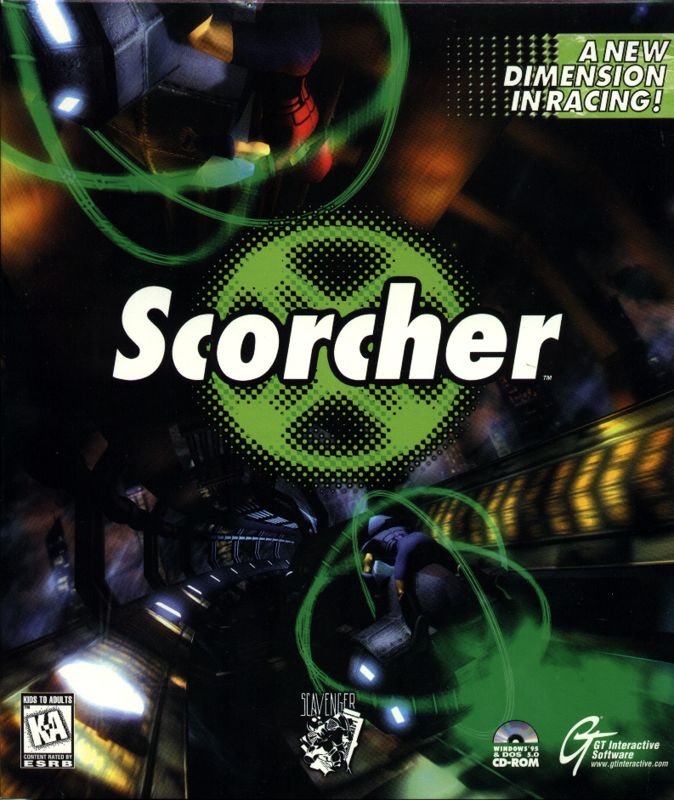
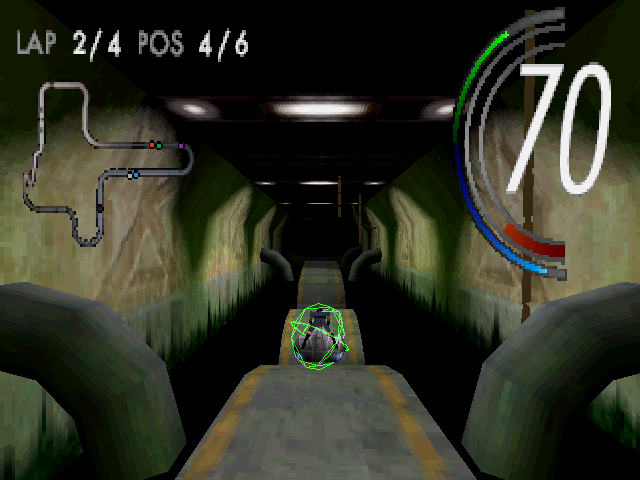
Scorcher delivers a fast-paced racing experience that immediately grabs your attention. Piloting a sleek spherical racer, you navigate through dark, post-war-inspired environments filled with jagged debris and industrial remnants. The controls are tight and responsive, allowing you to weave between obstacles and opponents with precision, which makes each race feel like a high-stakes dance on a razor’s edge.
(HEY YOU!! We hope you enjoy! We try not to run ads. So basically, this is a very expensive hobby running this site. Please consider joining us for updates, forums, and more. Network w/ us to make some cash or friends while retro gaming, and you can win some free retro games for posting. Okay, carry on 👍)
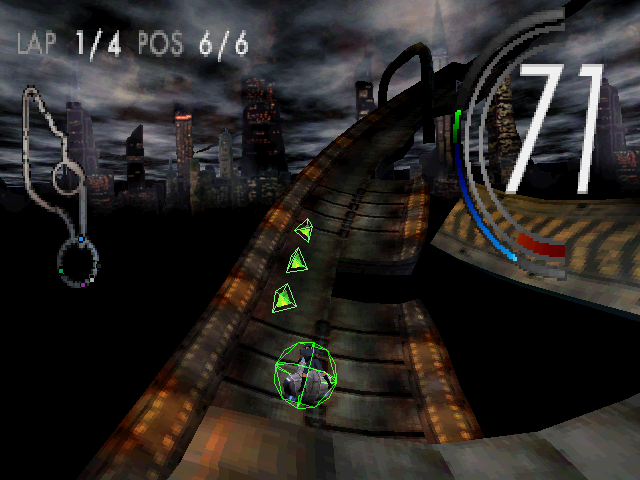
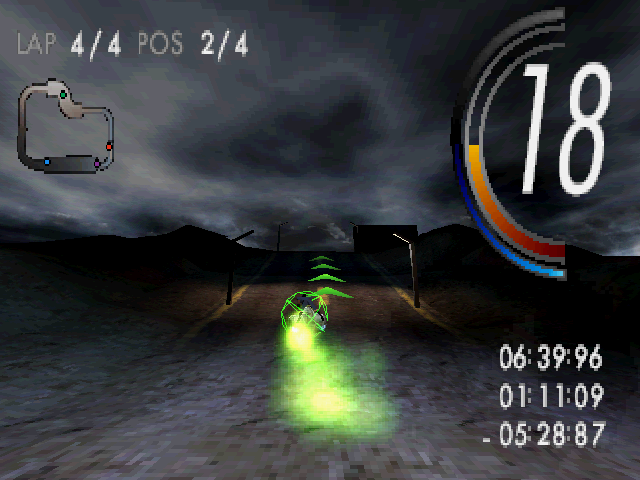
One of the standout mechanics is the collection of glowing triangles scattered throughout each track. Grabbing these power-ups injects a burst of speed into your racer, and timing your picks just right can mean the difference between overtaking rivals or being left in the dust. The risk-reward factor is palpable: veering off the safe line to snag a triangle might cost you precious milliseconds or catapult you ahead of the pack if executed perfectly.
Opponents in Scorcher are controlled by an AI that adapts to your playstyle. Early races may feel manageable, but as you progress, the CPU becomes aggressive, taking tighter lines and even attempting to bump you off-course. This escalating challenge ensures that veterans and newcomers alike remain engaged, constantly refining their strategy to stay competitive.
Graphics
Running at up to 640×480 resolution, Scorcher’s visuals strike a balance between performance and atmospheric depth. The muted color palette reinforces the game’s post-apocalyptic tone, with rusted metal beams, dimly lit tunnels, and scorched earth textures creating a visceral sense of place. Despite the lower resolution ceiling, clever use of shading and lighting helps masks polygonal limitations.
Track design is rich in environmental storytelling. You’ll zip past broken-down machinery, flickering neon signs, and piles of rubble that hint at a larger world shattered by conflict. Each circuit feels distinct, from narrow, claustrophobic corridors to wide-open arenas where you can stretch your speed wings and feel the wind at your back.
Framerates remain steady even when the screen fills with fire trails and particle effects from power-up activations. There are occasional dips if you push too many effects on screen, but these are rare and generally forgivable given the overall fluidity of the experience. For a game of its era, Scorcher’s graphics hold up admirably, and they continue to impress when viewed through the lens of nostalgia.
Story
While Scorcher is primarily a racing title, it weaves a subtle narrative through its environment and podium celebrations. The stark, ruined landscapes suggest a world clawing its way back from devastation, where high-stakes racing has become both sport and survival. This backdrop adds weight to each competition, implying that victory may mean more than just a trophy—it may secure precious resources.
Character motivations are left to the player’s imagination, but race announcers and brief cutscenes hint at rivalries forged in the fires of conflict. You aren’t just racing for glory; you’re battling for reputation in a society that prizes speed and resilience above all else. This unspoken lore enriches the gameplay without bogging it down in exposition.
Each season in Scorcher unfolds like a chapter in a dystopian saga, with weather conditions and environmental hazards ramping up the tension. Sandstorms, sudden power blackouts, and collapsing infrastructure serve as natural obstacles that reinforce the fragility of the world you’re racing in. It’s a minimalist approach to storytelling, but one that complements the core mechanics rather than overshadowing them.
Overall Experience
From start to finish, Scorcher offers a thrilling, adrenaline-fueled ride that keeps you coming back for more. The combination of responsive controls, challenging AI, and a moody aesthetic creates an immersive package that appeals to both hardcore racers and casual players seeking a taste of high-speed action. Each victory feels earned, and each defeat leaves you itching to learn from your mistakes and push harder next time.
The title’s modest system requirements and approachable learning curve make it accessible to a wide audience. Beginners can quickly grasp the basics of steering and power-up management, while seasoned veterans will find depth in mastering the art of drafting behind rivals and timing their boost pickups. Multiplayer modes, where available, further extend replay value by allowing you to test your skills against friends.
Ultimately, Scorcher stands out as a classic example of focused game design. It doesn’t rely on bloated features or excessive narrative to captivate players. Instead, it hones in on what makes racing games inherently exciting: speed, skill, and the occasional heart-stopping moment when everything comes down to a fraction of a second. For anyone in search of a polished, atmospheric racer with enduring appeal, Scorcher is well worth the drive.


Reviews
There are no reviews yet.