 Retro Replay Retro Replay gaming reviews, news, emulation, geek stuff and more!
Retro Replay Review
Gameplay
The Magic Candle III builds on the series’ established top-down RPG mechanics, offering players a vast open world to explore. From the moment you step into its richly detailed environs, you’ll find yourself balancing exploration, combat, and resource gathering. The controls are intuitive, allowing you to navigate your party through forests, dungeons, and towns with ease.
(HEY YOU!! We hope you enjoy! We try not to run ads. So basically, this is a very expensive hobby running this site. Please consider joining us for updates, forums, and more. Network w/ us to make some cash or friends while retro gaming, and you can win some free retro games for posting. Okay, carry on 👍)
One of the series’ standout innovations is its complex party management system. Unlike many contemporaries that keep all members tethered together, Magic Candle III lets you split your group and assign separate tasks—whether that’s sending a dwarf to mine ore, having a mage research spells in a library, or dispatching a thief to scout enemy positions. This level of micromanagement adds strategic depth and breathes new life into familiar RPG conventions.
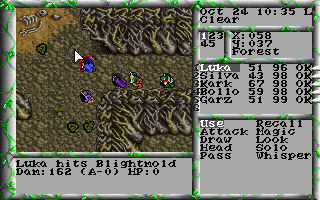
Combat encounters are turn-based and tactical, rewarding thoughtful positioning and skill synergy. You’ll need to coordinate spells, melee attacks, and support abilities to overcome increasingly perilous foes. The learning curve can be steep for newcomers, but veterans of the series will appreciate the nuanced challenge of juggling multiple characters with distinct specializations.
Beyond combat, Magic Candle III excels in its non-linear quest design. Side missions range from tracking down elusive ingredients for potent alchemical concoctions to infiltrating bandit hideouts under the cover of night. The freedom to approach these tasks in any order lends the game a sandbox feel, making each playthrough uniquely engaging.
Graphics
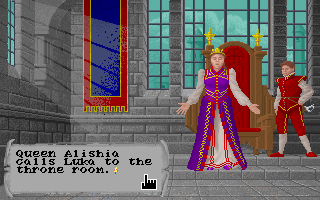
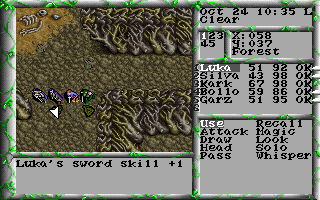
Visually, The Magic Candle III represents a clear upgrade over its predecessors, boasting VGA-capable graphics that bring the game world to life in vivid color. Background environments are richly textured, with lush forests, murky swamps, and labyrinthine dungeons rendered in fine detail. Each locale feels distinct, encouraging players to explore every nook and cranny.
Character sprites and animations have also received a polish, showcasing smoother movements and more expressive battle stances. While the overall art style remains firmly rooted in early ’90s RPG aesthetics, the enhanced color palette and refined sprites help the title feel more modern than its forebears.
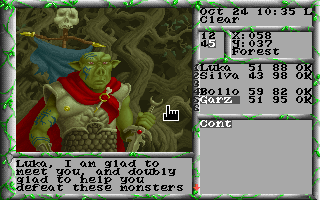
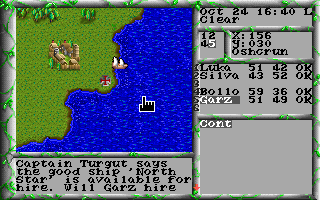
The user interface strikes a balance between functionality and immersion. Menus are logically organized, with icons denoting inventory items, skills, and journal entries. The compact HUD leaves ample screen space for the game’s beautiful environments, yet still provides quick access to critical information during intense encounters.
Though some textures and models might appear dated by today’s standards, they retain a timeless charm that resonates with fans of classic RPGs. The aesthetic cohesion across tilesets, character designs, and interface elements ensures that the upgraded visuals never feel out of place.
Story
The narrative of The Magic Candle III picks up in a land stricken by a mysterious “blight” that slowly corrupts nature and saps the vitality of its inhabitants. You begin the journey by assembling—or importing—your party of adventurers from previous entries in the series, creating an immediate sense of continuity and personal investment.
As you investigate the blight’s origin, you’ll encounter a cast of memorable NPCs, from kindly herbalists desperate to save their crops to sinister cultists who seem to harness the corruption for dark purposes. Dialogue choices and your party’s unique skills can open alternative paths, allowing you to negotiate, deceive, or fight your way toward the truth.
The main storyline is bolstered by a multitude of side tales, each exploring different facets of the world’s lore. Whether uncovering the lost history of an ancient civilization or mediating a feud between rival townships, the game offers a rich tapestry of narrative threads that reward thorough exploration.
While the core plot remains straightforward—stop the blight and restore balance—the depth lies in the optional quests and character interactions. Investing time in personal backstories and faction intrigues can dramatically alter your perception of the unfolding crisis.
Overall Experience
The Magic Candle III stands as a testament to classic RPG design, marrying deep party management with an open-ended quest structure and atmospheric world-building. Its refined VGA graphics and polished UI bring a nostalgic yet fresh feel to the franchise, pleasing long-time fans and newcomers seeking an old-school challenge alike.
For players who relish strategic depth and freedom of choice, the game’s mechanics will captivate for dozens of hours. Splitting your party to cover more ground, planning complex operations, and experimenting with different skill combinations provides a sense of accomplishment that few modern titles can match.
However, the learning curve and occasional text-heavy passages may deter those accustomed to more streamlined experiences. Patience and a willingness to pore over journal entries are rewarded, but casual gamers should be prepared for a deliberate pacing that prioritizes immersion over instant gratification.
In sum, The Magic Candle III delivers a robust and engaging journey through a world under siege by corruption. Its strengths in gameplay depth, visual charm, and narrative richness make it a compelling purchase for RPG aficionados seeking a classic experience with a modern sheen.


Reviews
There are no reviews yet.