 Retro Replay Retro Replay gaming reviews, news, emulation, geek stuff and more!
Retro Replay Review
Gameplay
The core of Trekboer’s gameplay hinges on the classic text-driven exploration model, enhanced by simple graphical elements that bring the starship interiors and alien worlds to life. Movement is intuitive, relying on single-letter commands (N, S, E, W) that keep navigation swift and straightforward. For veterans of interactive fiction, these familiar controls mean you can dive straight into the action without wading through complex tutorials. Newcomers will appreciate the low barrier to entry, though they may initially need a moment to get used to the verb–noun parser.
(HEY YOU!! We hope you enjoy! We try not to run ads. So basically, this is a very expensive hobby running this site. Please consider joining us for updates, forums, and more. Network w/ us to make some cash or friends while retro gaming, and you can win some free retro games for posting. Okay, carry on 👍)
Exploration is at the heart of Trekboer. Each planet presents a unique set of rooms, hazards, and puzzles, inviting players to map their progress diligently. The inclusion of teleporters and warp jumps adds a satisfying layer of complexity: you never quite know where you’ll end up, so every decision carries real weight. A wrong turn can strand you on a hostile world or force you to retrace your steps, heightening the tension as you search for the elusive cure.
Resource management comes into play as you oversee your starship’s limited supplies. While there isn’t a sprawling inventory system, you must decide when to use critical items—like portable medkits or energy cells—instead of hoarding them for later. This scarcity contributes to the sense of urgency: the clock is ticking on Earth’s fate, and returning empty-handed is simply not an option.
One standout feature is the ability to SAVE your current location onto cassette—a nostalgic nod to retro gaming that also serves a practical purpose. If you make a fatal misstep, you can load your last save and try again without losing hours of progress. Whether you’re a collector of vintage gameplay mechanics or simply someone who appreciates robust save options, this feature ensures that Trekboer’s steep moments feel fair rather than punishing.
Graphics
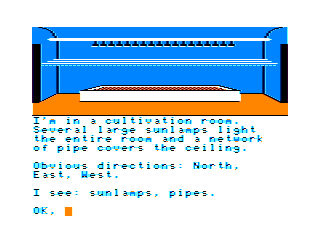
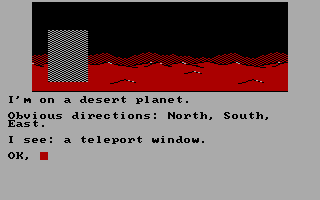
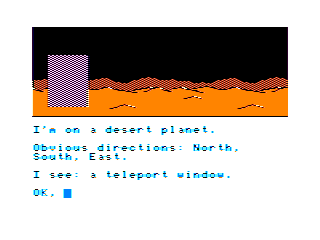
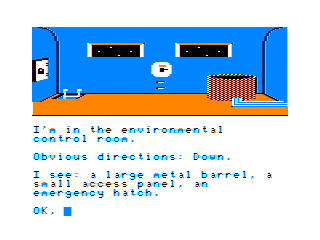
Although Trekboer channels the spirit of classic interactive fiction, its graphical interface sets it apart from purely textual adventures. The game employs minimalist sprites and rudimentary animations to depict your starship’s corridors, alien flora, and the eerie shrouds of unexplored terrain. While not photo-realistic, these visuals effectively convey atmosphere, turning text prompts into living, breathing environments.
The color palette is deliberately restrained: monochromatic displays with occasional splashes of color mark key objects or hazards. This stylistic choice enhances readability and ensures that important details stand out, reducing the risk of missing crucial clues in the text descriptions. For players who recall the golden age of early computer games, Trekboer’s aesthetic feels both authentic and charmingly nostalgic.
Animation is reserved for high-impact moments—warp jumps, teleporter activations, and emergency alarms flash across the screen to remind you of the stakes at hand. These sequences last only seconds, but they break up the text-heavy exploration with dynamic visuals, preventing long stretches of static imagery from becoming monotonous.
On modern screens, the game’s resolution can look blocky unless you adjust the display settings or apply a filter that smooths out the pixel edges. While purists may welcome the rough-hewn look, players accustomed to high-definition graphics might find the retro styling a bit lacking. Nonetheless, Trekboer proves that imaginative design and clever use of color can make simple visuals feel immersive and evocative.
Story
The narrative of Trekboer thrusts you into the captain’s seat of a starship on a desperate mission: find a cure for a deadly virus that has petrified Earth’s last hopes. From the moment you depart the quarantine zone, you’re aware that failure means humanity’s extinction. This unrelenting pressure fuels every decision, ensuring that no planet feels like mere backdrop—it’s a potential lifesaver or a death trap.
Each encounter with alien civilizations and newly discovered ecosystems deepens the mystery surrounding the virus’s origin. Sparse journal entries and intercepted transmissions hint at a shadowy force manipulating events from the galaxy’s fringes. These breadcrumbs of backstory compel you to press on, even after repeated setbacks, spurring a genuine emotional investment in the greater mission.
While the characters you meet are largely represented through brief descriptions and dialogue snippets, the game excels at evoking personality with minimal text. A pragmatic engineer insisting on protocol, a desperate scientist warning of dwindling Earthside supplies, and even a cryptic alien ambassador all enrich the tapestry of Trekboer’s universe. Their fleeting presence underscores the scale of your quest while reinforcing the narrative’s emotional stakes.
The ending, when you finally piece together the cure’s components, balances triumph with a sobering reminder of the cost of discovery. Without spoiling specifics, suffice to say that the final sequence challenges you to make one last moral decision—leaving your mark on the galaxy and determining Earth’s fate in a way that resonates long after the credits roll.
Overall Experience
Trekboer delivers a compelling blend of nostalgia and fresh challenges, making it a standout for fans of interactive fiction and space exploration alike. The satisfaction of mapping uncharted worlds, deciphering alien clues, and navigating a minimalist yet effective user interface creates an experience that feels both classic and remarkably polished. You’ll find yourself jotting down notes, mapping corridors on graph paper, and cheering quietly when you finally crack a tough puzzle.
The pacing is deliberate but never plodding. Trekboer respects your time, offering plenty of suspense and reward with each successful warp or hidden artifact found. Even routine tasks—like checking your oxygen levels or scanning a barren planet—are imbued with tension due to the overarching threat to Earth. This sense of urgency anchors the entire adventure, transforming what might have been a meandering text quest into a race against time.
Admittedly, the retro presentation won’t appeal to everyone, especially players accustomed to cutting-edge graphics and voice acting. However, if you appreciate the power of imagination and savor the tactile satisfaction of text-based commands, Trekboer represents an exceptional value. The cassette save feature alone is worth a nostalgic smile, and the depth of exploration ensures that no two playthroughs feel identical.
In sum, Trekboer is more than a mere throwback: it’s a testament to the enduring appeal of interactive storytelling. With its tight gameplay loop, atmospheric visuals, and high-stakes narrative, the game stands as a memorable voyage through space and fate. For anyone seeking an intellectually engaging adventure with a healthy dose of retro flair, Trekboer is a mission you will not want to miss.


Reviews
There are no reviews yet.