 Retro Replay Retro Replay gaming reviews, news, emulation, geek stuff and more!


Retro Replay Review
Gameplay
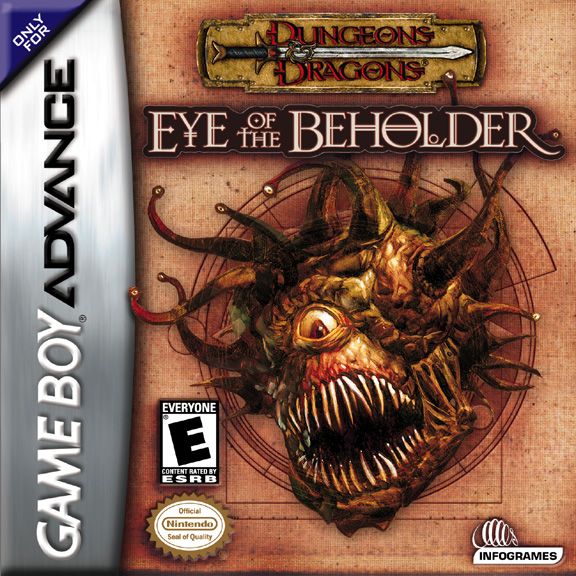
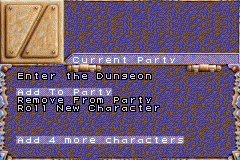
Dungeons & Dragons: Eye of the Beholder places you in the role of a party leader tasked with guiding up to six adventurers through the twisting, torch-lit corridors beneath the streets of Waterdeep. Character creation is a highlight, as you choose from four base classes—Wizard, Rogue, Cleric, and Fighter—and seven races drawn directly from the D&D 3rd Edition rules. Building a balanced team is key; your choices impact combat dynamics, spell availability, and skill checks as you delve deeper into the dungeon’s dark recesses.
(HEY YOU!! We hope you enjoy! We try not to run ads. So basically, this is a very expensive hobby running this site. Please consider joining us for updates, forums, and more. Network w/ us to make some cash or friends while retro gaming, and you can win some free retro games for posting. Okay, carry on 👍)
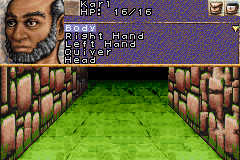
The game alternates between an immersive first-person view for exploration and a top-down, isometric perspective for turn-based battles. Wandering the maze-like halls, you’ll rely on an auto-map feature to mark secret doors and hidden traps, ensuring that no corner goes unchecked. When enemies appear, the screen shifts seamlessly into tactical mode: each character can be issued specific commands for movement, melee attacks, ranged strikes, or casting one of over 100 unique spells and feats.
Progression in Eye of the Beholder follows classic RPG conventions. Experience points earned from vanquishing foes and solving puzzles can be spent on new skills or improved attributes, while gold found in chests and on defeated monsters funds gear upgrades. The inventory system feels robust for its era, with more than 100 magical and mundane items—ranging from flaming swords to potions of vitality—keeping your party’s equipment fresh and your strategy evolving.
Balancing your party composition and resource management is a constant challenge. Potions and spell slots are finite, so choosing when to heal, when to press on, and when to retreat to a safe chamber adds a layer of strategy. The satisfaction of narrowly surviving an ambush or discovering a secret faction of treasure rewards patient exploration, making each dungeon level a carefully measured test of your tactical acumen.
Graphics
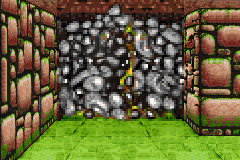
Graphically, Eye of the Beholder captures the gritty charm of early 1990s PC RPGs. The first-person corridors are rendered in detailed pixel art, with walls dripping slime, flickering torches casting dancing shadows, and cobwebs hanging in silent corners. While the resolution may feel dated by today’s standards, the strong use of color and texture evokes a palpable sense of dread and mystery that still resonates.
When combat begins, the shift to an isometric battlefield introduces a clear, grid-like layout that assists in spatial planning. Character and monster sprites are small but distinct, allowing you to quickly assess the battlefield and pinpoint threats. Effects for fireballs or lightning bolts may lack the spectacle of modern particle systems, but their sharp animation frames convey impact effectively, ensuring each spell cast feels weighty.
Environmental variety shines through subtle details. Mossy stones become more pronounced as you descend, skeletal remains litter forgotten halls, and torches fade to embers in abandoned side passages. These visual cues not only enhance immersion but also serve gameplay purposes, alerting you to potential hazards or hidden alcoves. The game’s artists maximize limited palettes to create memorable dungeon zones that encourage careful observation.
Story
Set in the storied Forgotten Realms universe, Eye of the Beholder weaves a straightforward yet compelling narrative. The surface streets of Waterdeep are safe for now, but rumors of a malevolent force bubbling up from the undercity have caught the attention of the city’s rulers. Your mission is simple on paper—to find and neutralize this threat—but the twisting plot unfolds as you descend through increasingly perilous depths.
Dialogue is concise, conveyed through text boxes that appear between dungeon levels and upon encountering key NPCs. While there are no voiceovers, the writing effectively conveys urgency and world-building, peppering in references to local guilds, ancient deities, and hidden factions. Each new level often closes with a brief journal entry, reinforcing your party’s progress and heightening anticipation for what awaits below.
Although the overarching story doesn’t stray far from classic dungeon-crawl tropes, its setting in Waterdeep adds a layer of political intrigue. Side passages sometimes lead to cryptic messages scrawled on stone tablets, hinting at larger conspiracies. These narrative breadcrumbs foster a sense of discovery that goes beyond mere monster-slaying, making each descent feel like an invitation to unravel deeper secrets.
Overall Experience
Dungeons & Dragons: Eye of the Beholder remains a compelling blend of strategic combat, exploration, and character development. Its pacing rewards methodical play: cautious mapping, thoughtful resource allocation, and occasional retreats to safe rooms all contribute to a satisfying tension. Though it demands patience, the payoff comes in the form of hard-won victories and the pride of seeing a well-crafted party overcome deadly traps and fearsome foes.
For newcomers to classic RPGs, the learning curve can be steep. The interface requires menu navigation that modern gamers might find cumbersome, and permadeath for fallen characters underscores the importance of regular saves. Yet, these same challenges foster a level of investment rarely found in more forgiving contemporary titles, making each success feel genuinely earned.
Ultimately, Eye of the Beholder is a testament to the enduring appeal of dungeon crawlers. Its blend of rich character customization, atmospheric world-building, and strategic depth offers hours of engaging gameplay. While technology has marched on, the core experience of assembling a heroic band and plunging into shadowy catacombs continues to captivate and enthrall—especially for those who appreciate the roots of D&D video games.


Reviews
There are no reviews yet.