 Retro Replay Retro Replay gaming reviews, news, emulation, geek stuff and more!
Retro Replay Review
Gameplay
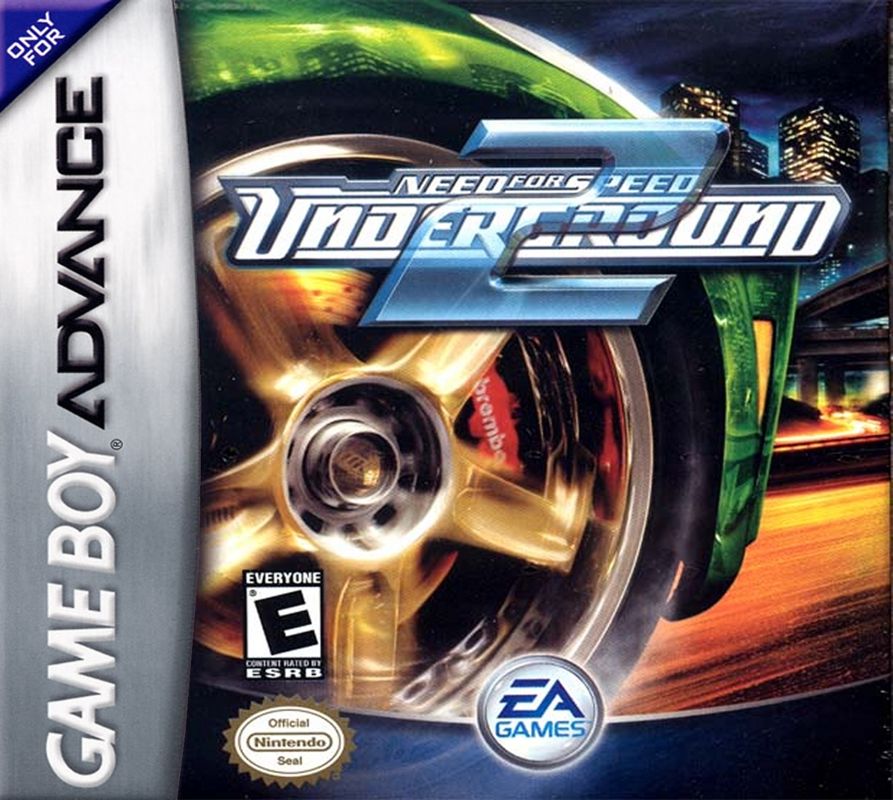
The popular Need For Speed Underground franchise was adapted for systems with different capabilities in this version of Underground 2, resulting in a more focused—and at times more intense—racing experience. Rather than a sprawling open world, the city is split into five distinct areas, each with its own aesthetic and challenges. While you won’t be free-roaming every alleyway, each district offers a series of prescribed routes that keep races tight, competitive, and quick to load.
(HEY YOU!! We hope you enjoy! We try not to run ads. So basically, this is a very expensive hobby running this site. Please consider joining us for updates, forums, and more. Network w/ us to make some cash or friends while retro gaming, and you can win some free retro games for posting. Okay, carry on 👍)
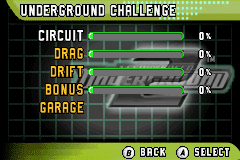
Progression here hinges on reputation: win enough street races, perform stylish drifts, and you’ll earn the street cred needed to unlock tougher events and new districts. The limited number of upgrades might initially feel restrictive, but the developers strike a good balance by ensuring that each performance mod—whether it’s for acceleration, top speed, or cornering—makes a noticeable impact. This focus on a smaller upgrade tree actually helps newcomers understand the importance of tuning without overwhelming them with hundreds of parts.
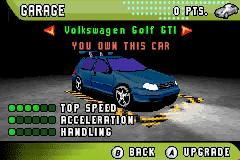
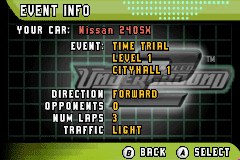
Car selection in this version leans on fan favorites from Volkswagen, Mitsubishi, and Toyota, giving a sense of familiarity and reliability. Although the handling model is slightly simplified compared to console/PC counterparts, you can still fine-tune spring rates, tire grip, and nitrous flow to suit your driving style. Street races, drift events, and a handful of time trials provide enough variety to keep you engaged across all five zones, while occasional shortcuts and “risk-versus-reward” circuits encourage replaying races to shave off seconds.
Graphics
On its target hardware, Underground 2’s visuals manage to punch above their weight. Car models are surprisingly detailed, with accurate manufacturer decals, reflective paint jobs, and customizable body kits that carry over well into in-race animations. When you nail a perfect drift or blast past a rival at top speed, the sense of motion is tangible—even without megatextures or dynamic lighting effects.
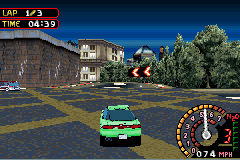
Each of the five city districts sports a distinct visual theme: from neon-lit downtown streets to gritty industrial backlots, the environments feel purposeful rather than repetitive. Though draw distances can be short and pop-in occasionally occurs around corners, the game’s art direction cleverly masks these limitations with darker color palettes and strategically placed billboards. The result is a crisp, arcade-style aesthetic that keeps you immersed in the underground racing scene.
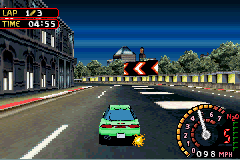
The user interface remains clean and responsive throughout. Race HUD elements—speedometer, position indicator, nitrous meter—are clearly legible, and transitions between menus (garage, tuning, race selection) are smooth. Even during intense five-car showdowns, frame rates rarely dip below acceptable thresholds, ensuring that your split-second lane changes and nitrous boosts feel fluid and reliable.
Story
Unlike the open-ended narrative of its console counterpart, this version of Underground 2 follows a predefined path that guides you from novice racer to city legend. You’ll encounter a handful of recurring characters—rival crews, mysterious allies, and a shadowy organizer who pushes you to prove your worth. Dialogue exchanges are concise, delivered through simple cutscenes and on-screen text, but they do enough to convey the high-stakes atmosphere of the underground street scene.
The story’s structure ensures that each new district unlocks logically: beat a set number of races, earn your invite to the next area, and watch the plot unfold in bite-sized segments. While die-hard series fans might miss branching paths or player-choice moments, the linear approach keeps momentum high and minimizes downtime between races. Every victory or defeat feels tied to your reputation meter, reinforcing the sense that you’re climbing a well-defined ladder.
In terms of pacing, Underground 2 strikes a solid balance. Early chapters ease you into the basics of drifting and drafting, while mid-game ramps up difficulty with tighter turns and more aggressive AI drivers. By the time you reach the final district, you’ll have a firm grasp of both handling quirks and narrative stakes, making the climactic races feel like a true finale rather than just another event on the calendar.
Overall Experience
Need for Speed: Underground 2 on this platform boils the essence of street racing down to its most entertaining core. By limiting the world to five focused areas and streamlining the upgrade system, it delivers a pick-up-and-play experience that’s perfect for quick sessions or marathon weekend binges. The balance between accessibility and depth is commendable, ensuring that newcomers aren’t intimidated while veterans still find plenty to master.
Although it lacks the full open-world exploration of the console/PC versions, the prescribed routes and tight district design create a satisfying loop of race, earn, upgrade, and repeat. The combination of Volkswagen, Mitsubishi, and Toyota rides offers enough variety to keep garage browsing interesting—especially once you dive into the handful of performance parts and visual mods that remain in this adaptation.
Ultimately, if you’re after a no-nonsense street racing game that prioritizes core mechanics over sprawling maps, this tailored version of Underground 2 is a strong contender. Its engaging gameplay, solid graphics, and tightly plotted narrative ensure that every race feels meaningful. For portable or budget-conscious players craving high-octane thrills, this rendition of Need for Speed: Underground 2 delivers the goods without overextending itself.


Reviews
There are no reviews yet.