 Retro Replay Retro Replay gaming reviews, news, emulation, geek stuff and more!
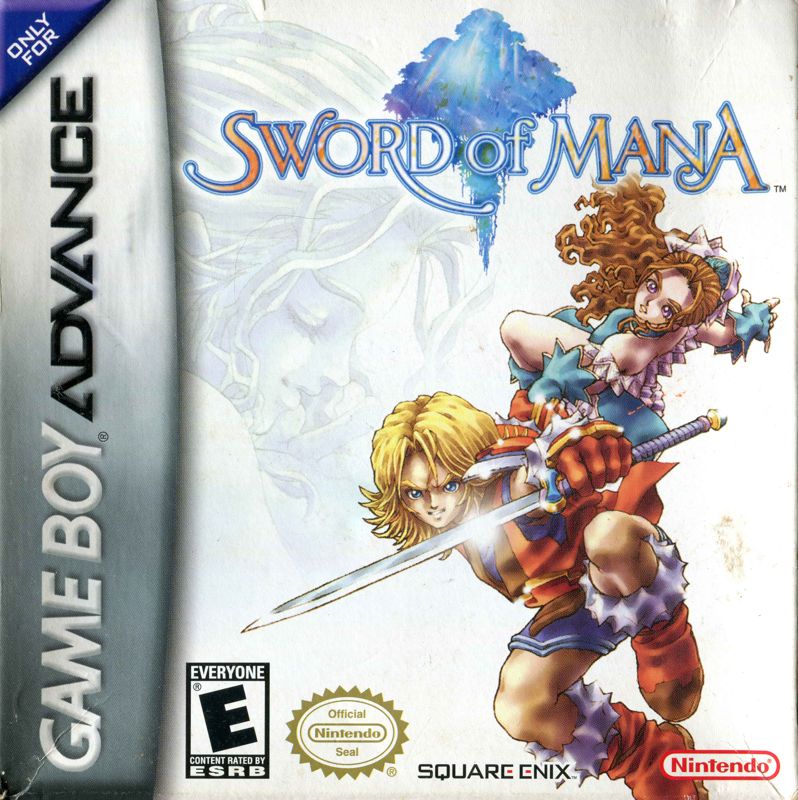
Retro Replay Review
Gameplay
Sword of Mana delivers a brisk, action-oriented combat system that unfolds seamlessly in the field rather than shifting to a separate battle screen. You directly control your chosen hero or heroine, weaving between foes and striking with melee weapons, casting spells, or deploying consumable items. The controls feel responsive, making every swing of a sword or release of a fireball land with satisfying feedback. Timing your dodges and attacks is crucial, as even basic enemies can overwhelm an unprepared character if you’re too aggressive or careless.
(HEY YOU!! We hope you enjoy! We try not to run ads. So basically, this is a very expensive hobby running this site. Please consider joining us for updates, forums, and more. Network w/ us to make some cash or friends while retro gaming, and you can win some free retro games for posting. Okay, carry on 👍)
The weapon variety is a standout feature, offering swords, axes, spears, flails, bows, and more. Each weapon type not only influences your fighting style but also serves as a key to exploring the environment—breaking barriers, opening secret paths, or solving small puzzles. Elemental magic, driven by the eight spirits, complements physical combat by providing offensive, defensive, and healing options. Swapping spells according to enemy weaknesses and the day-night cycle adds a layer of tactical decision-making, especially when you find yourself tackling tougher bosses.
Progression in Sword of Mana is flexible and player-driven. Leveling up grants you stat points to distribute as you see fit, allowing you to craft a glass cannon mage one session and a heavily armored bruiser the next. Equipment and accessories further refine your build, and the crafting mechanics—from forging weapons to cultivating farm produce—encourage exploration and resource gathering. Optional side quests and mini-games scatter the map, rewarding completion with rare materials or unique items that entice you to stray from the main path.
Additionally, multiplayer via Game Boy Advance link cable brings a cooperative dimension to the experience. Two players can team up with their own customized characters, sharing loot drops and progress. Cooperative battles feel energetic as you coordinate attacks, combine elemental spells, or cover each other’s weaknesses. While multiplayer requires both parties to own a copy and the necessary link hardware, the bonding potential is high for fans eager to tackle tough dungeons together.
Graphics
On the Game Boy Advance hardware, Sword of Mana shines with its vibrant color palette and charming sprite work. Character animations are fluid, from the hero’s sword arcs to the heroine’s graceful spell casts. Enemy sprites vary widely, ranging from small slimes to imposing bosses, each with distinct attack telegraphs that make battles visually clear and engaging. The overhead perspective keeps the action readable, even when the screen floods with particles from spells.
The environments are richly detailed, featuring lush forests, murky swamps, snowy peaks, and ancient ruins. Background layers scroll smoothly as you move, creating a sense of depth uncommon in many contemporaries. Changing light conditions during the day-night cycle subtly shift color hues, making nighttime excursions feel suitably eerie and encouraging players to plan their adventures around spirit affinities and NPC schedules.
Menus and interfaces maintain the game’s aesthetic consistency, with ornate borders and easy-to-navigate layouts. Weapon icons, spell portraits, and item descriptions are clear and well-presented, minimizing the trial-and-error of equipping your character on the go. While the GBA’s resolution imposes some limits—text can feel cramped if you overstuff your inventory—the overall presentation rarely detracts from the immersive world.
Story
Sword of Mana retells the narrative of Final Fantasy Adventure with expanded lore, deeper character arcs, and fresh dialogue. From the outset, you choose between the vengeful former prisoner or the noble last scion of the Mana clan. This choice not only alters your opening chapters but also colors how NPCs react to you, giving each playthrough a distinct emotional tone. When the two protagonists’ paths converge, the narrative payoff is both dramatic and heartfelt.
The central plot revolves around the ancient Mana Tree and the malevolent forces that seek to corrupt its power. Along the way, you encounter a host of supporting characters—wily merchants, tragic warriors, and elemental spirits—each with side stories that enrich the main quest. Story events unfold across a diversity of locales, often punctuated by animated cutscenes that, despite being limited by GBA hardware, convey key emotional beats effectively.
Dialogue can occasionally dip into genre clichés, but the writing generally balances lighthearted banter with somber moments of sacrifice and redemption. Replay value is strong thanks to the dual-protagonist structure: key events shift perspective based on your initial choice, offering players reason to return for a fresh viewpoint on pivotal battles and plot twists.
Overall Experience
Sword of Mana stands as one of the Game Boy Advance’s finest action RPGs, marrying fast-paced combat with meaningful progression and exploration. The seamless field battles keep the pace brisk, while the depth of weapon and magic systems provides long-term engagement. Flexibility in leveling and crafting fosters a sense of ownership over your character’s development, and optional content rewards those who stray off the beaten track.
Graphically, the game punches above its weight, offering colorful, detailed worlds and smooth animations that breathe life into the story. The day-night cycle and elemental affinities add subtle environmental storytelling, while the UI remains functional and attractive. On the narrative front, the retelling of Final Fantasy Adventure feels respectful yet fresh, thanks to expanded lore and dual-protagonist storytelling that elevates the drama.
While the multiplayer mode requires extra hardware and a friend with their own copy, it remains a highlight for those looking to share the experience. Minor drawbacks—such as occasional inventory management tedium or the inevitable grind—do little to detract from the overall charm and polish. For fans of portable action RPGs or those curious about the roots of the Mana series, Sword of Mana is a compelling purchase that offers hours of replayable adventure.


Reviews
There are no reviews yet.