 Retro Replay Retro Replay gaming reviews, news, emulation, geek stuff and more!
Retro Replay Review
Gameplay
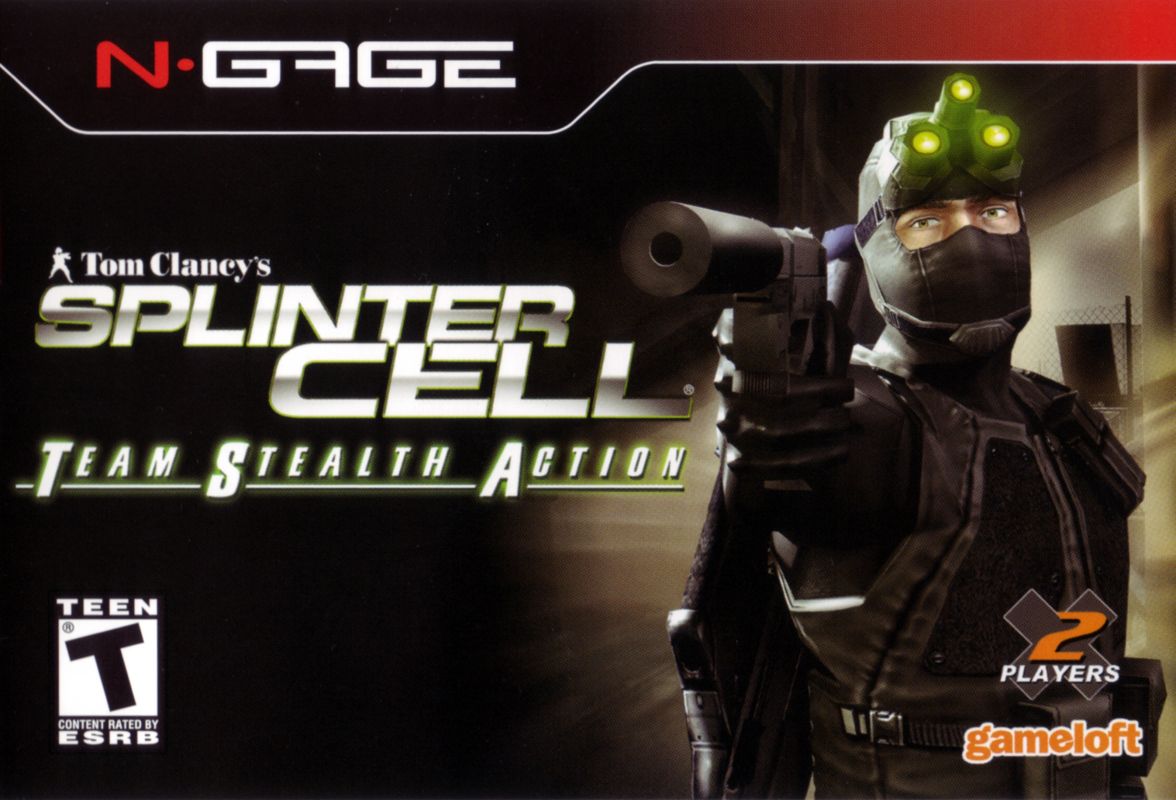
Tom Clancy’s Splinter Cell places you in the boots of veteran operative Sam Fisher, tasking you with high-stakes infiltrations that hinge entirely on stealth. Rather than charging into skirmishes head-on, you’ll slip through shadows, disable security systems, and silently neutralize guards. The game’s core mechanics reward patience and observation: timing your movements with rotating searchlights, listening for distant footsteps, and using darkness as your ally are crucial for survival.
(HEY YOU!! We hope you enjoy! We try not to run ads. So basically, this is a very expensive hobby running this site. Please consider joining us for updates, forums, and more. Network w/ us to make some cash or friends while retro gaming, and you can win some free retro games for posting. Okay, carry on 👍)
The level design masterfully blends platforming with tactical espionage. Each mission unfolds like a meticulously crafted puzzle, offering multiple paths to your objective—crawl through air ducts, shimmy along catwalks, or scale walls using Fisher’s trademark SCUBA rope. When the situation calls for it, you can switch to first-person view for precision sniping, turning long-range takedowns into tense, calculated affairs that reinforce the feeling of isolation and vulnerability.
Enemy AI in Splinter Cell is reactive and unpredictable. Guards investigate disturbances, communicate over radios, and call for reinforcements if they spot a body or an open door. This dynamic behavior keeps you on your toes, ensuring that no two playthroughs feel identical. The game also offers a variety of gadgetry—from sticky cameras that feed real-time video to heat-seeking sonar goggles—each tool expanding your strategic options and adding layers of depth to the stealth experience.
Graphics
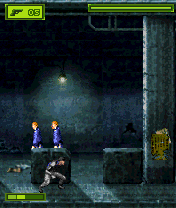
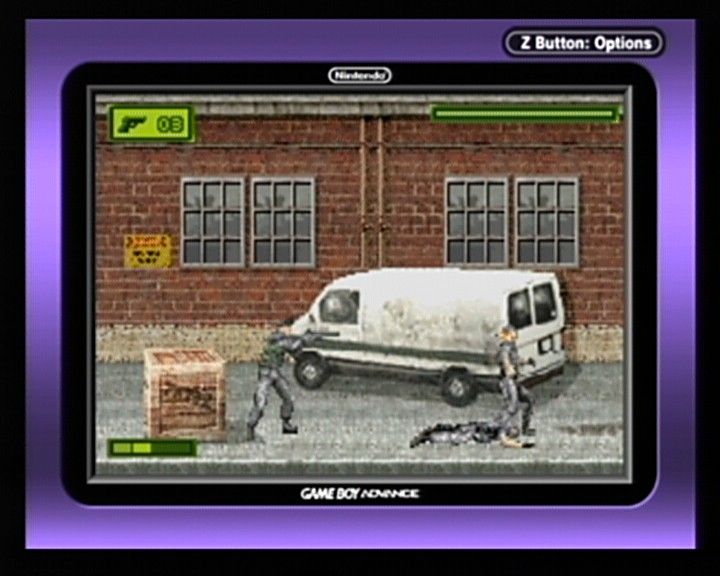
Originally released on PC, GameCube, PlayStation 2, and Xbox, Splinter Cell’s graphics were groundbreaking for its time and still hold up as a showcase of early 2000s tech prowess. The game’s use of real-time lighting and dynamic shadows creates stark contrasts between illuminated corridors and pitch-black rooms, forcing you to constantly adapt your movement to stay hidden. Watching your character’s silhouette slip into darkness never gets old.
Character models and environmental textures, while dated by modern standards, are impressively detailed when considering the hardware constraints of the original platforms. Facial animations, gear attachments on Fisher’s tactical vest, and the glint of his night-vision goggles all convey a level of polish that immerses you in covert operations. Subtle animations—like Fisher’s light breathing or the sway of his flak jacket—add realism to every cutscene and in-game sequence.
Performance is generally solid, and frame rates remain stable even in the most elaborate set pieces. While loading times can be noticeable on legacy systems, they rarely disrupt the pacing of a mission. Remastered or enhanced editions bring upscaling and smoother framerates, but the core visual identity—contrasting light and darkness—remains the star of the show. It’s this signature use of lighting that still resonates, emphasizing tension and heightening the sense of danger around every corner.
Story
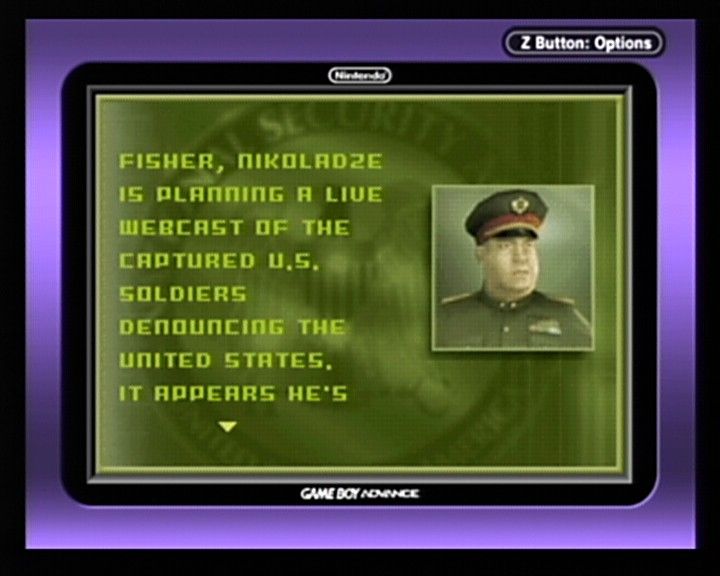
Splinter Cell’s narrative thrust places Sam Fisher at the heart of a global conspiracy, where geopolitical tensions and shadow wars collide. You’ll uncover covert plots that threaten national security, from arms trafficking to nuclear blackmail. The storyline mirrors the original game’s pace, revealing each twist through briefings, in-mission intel grabs, and terse radio chatter. This keeps the plot lean, letting the atmosphere of espionage carry much of the dramatic weight.
Character development is sparse but effective. Sam Fisher is a professional driven by duty—and the occasional moral quandary—which comes across in his stoic dialogue and measured actions. Supporting characters, including your tech-savvy handler and field commander, provide context and occasional comic relief. While there are few emotional high points, the sense of isolation and urgency in every briefing room and nighttime rooftop sequence is palpable, drawing you deeper into Fisher’s world.
The story unfolds through mission objectives rather than lengthy cutscenes, reinforcing the game’s “ghost in the shadows” motif. Discovering classified documents, decrypting hard drives, or accessing hidden terminals not only advances the plot but also grants insights into your targets’ motivations. This interactive storytelling approach keeps you engaged, turning every objective into a piece of the larger puzzle.
Overall Experience
Tom Clancy’s Splinter Cell remains a benchmark for stealth-action games, offering a balanced blend of tension, strategy, and immersive world-building. Its emphasis on non-lethal takedowns, environmental awareness, and planning sets it apart from run-and-gun shooters. Even after two decades, slipping through laser grids or timing your ascent up a scaffold still delivers an adrenaline rush.
The game’s length is generous but never repetitive. With roughly a dozen core missions, each lasting between 30 minutes to an hour depending on your approach, there’s ample opportunity to experiment with different stealth tools and routes. Replay value is high, thanks to hidden collectibles, alternate paths, and the satisfaction of improving your “ghost” rating by remaining undetected.
Whether you’re a longtime fan revisiting a classic or a newcomer seeking a masterclass in stealth design, Splinter Cell offers an engaging and educational experience. Its signature lighting mechanics, gadget-driven gameplay, and concise storytelling make it a timeless entry in the tactical-action genre. For buyers who prioritize depth, immersion, and methodical gameplay, Sam Fisher’s first outing is an essential addition to any collection.


Reviews
There are no reviews yet.