 Retro Replay Retro Replay gaming reviews, news, emulation, geek stuff and more!


Retro Replay Review
Gameplay
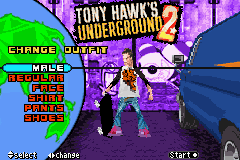
Tony Hawk’s Underground 2 on the Game Boy Advance distills the high-flying skate action of its console counterpart into an accessible isometric format. You toggle between a narrative-driven Story Mode—where you create and evolve a rookie skater embarking on a globe-trotting tour with pros—and a Classic Mode that challenges you to pull off specific tricks or rack up big scores under time constraints. Removing the timer from most Story Mode objectives makes the progression feel more relaxed, letting you focus on mastering combos rather than rushing to the next checkpoint.
(HEY YOU!! We hope you enjoy! We try not to run ads. So basically, this is a very expensive hobby running this site. Please consider joining us for updates, forums, and more. Network w/ us to make some cash or friends while retro gaming, and you can win some free retro games for posting. Okay, carry on 👍)
Control responsiveness remains surprisingly tight despite the GBA’s limited button layout. The introduction of new mechanics like the nata spin and tantrum trick adds depth to combos, while the “focus” ability slows time for precision landings. Sticker-slapping is another welcome feature: slap decals on surfaces to boost your score multipliers and add a layer of strategic play. These additions diversify the objectives, giving veteran players reasons to revisit levels to refine their runs.
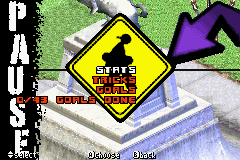
Progression feels rewarding. As you complete goals and earn prizes, you unlock new skaters, boards, and cosmetic items that personalize your experience. The world-tour structure encourages you to return to earlier stages with enhanced skills and equipment, making previously daunting challenges more approachable. Even on the go, the bite-sized runs and clear objectives make it easy to pick up and play without sacrificing the depth Tony Hawk fans crave.
Graphics
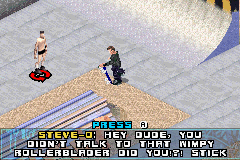
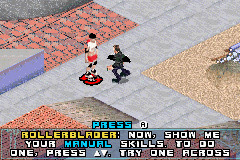
Visually, Underground 2 opts for an isometric viewpoint to replicate the sprawling skate parks of the console game within the GBA’s small screen. Polygonal character models stand out sharply against the pixel-art environments, giving each pro and your custom skater a distinct silhouette. While draw distance is limited, the game employs clever occlusion and level design to keep obstacles and ramps within view until you need them.
Textures and animation frames are simplified but effective—ramps and rails feature bold outlines and clear shading, so speed changes and jump arcs are easy to read even in hectic combo sequences. Character animations for grinds, flips, and aerial tricks are choppy by console standards but deliver enough visual feedback to know when you’ve nailed a complex sequence. Special moves like tantrums and focus slowdowns come with subtle flash effects that enhance their impact without cluttering the screen.
Stage variety is another highlight. From sun-soaked Californian streets to vibrant city plazas, each hub feels unique. Background NPCs and environmental details—skate shop signs, graffiti art, and moving crowds—add personality, helping you feel immersed despite the hardware’s limitations. Overall, the graphics balance clarity and flair, making it easy to appreciate the level layouts while retaining a sense of skatepark style.
Story
Underground 2’s Story Mode casts you as a fledgling skater invited to join the pro circuit, traveling from city to city in a “Battle of the Bands”–inspired world tour. The narrative framework is light but engaging: you interact with iconic pros, complete side missions, and earn their respect while competing for prizes. Cutscenes are conveyed through text windows and static character portraits, offering just enough context to keep you motivated.
Dialogue and mission briefings capture the series’ tongue-in-cheek tone, complete with pro skater banter and humorous set pieces. Objectives range from high-stakes challenges—like landing a sequence of tricks in a row—to whimsical tasks such as sticker-slapping utility poles. These varied missions keep the storyline moving and provide both traditional skating challenges and inventive gimmicks that break up the standard run-and-trick formula.
Although the plot itself doesn’t reach the depth of a full-fledged RPG, the emphasis on progression, unlockables, and character interactions fosters a genuine sense of growth. Watching your rookie’s stats improve and seeing your reputation rise among established pros gives the mode a satisfying arc, ensuring you remain invested until the tour’s finale.
Overall Experience
Tony Hawk’s Underground 2 on GBA strikes an admirable balance between portability and the series’ trademark depth. The combination of Story and Classic Modes caters to casual players seeking quick score attacks as well as hardcore fans looking to perfect every trick. The addition of new moves like focus and tantrum enhances replayability, making each session feel fresh—even on familiar courses.
Performance is solid, with minimal slowdown during intense combos and smooth transitions between areas. Audio design leans on catchy chiptune renditions of the console soundtrack, punctuated by punchy sound effects for grinds and landings. These sonic cues reinforce your actions and keep you immersed in the skatepark atmosphere, even without full-quality audio.
For prospective buyers, Underground 2 on the Game Boy Advance offers a compelling handheld skateboarding experience. It faithfully adapts the console version’s spirit while tailoring its mechanics to the GBA’s strengths. Whether you’re a seasoned Tony Hawk veteran or a newcomer to the franchise, this iteration delivers hours of trick-packed fun and an entertaining tour story that stands strong as one of the GBA’s top sports titles.


Reviews
There are no reviews yet.