 Retro Replay Retro Replay gaming reviews, news, emulation, geek stuff and more!
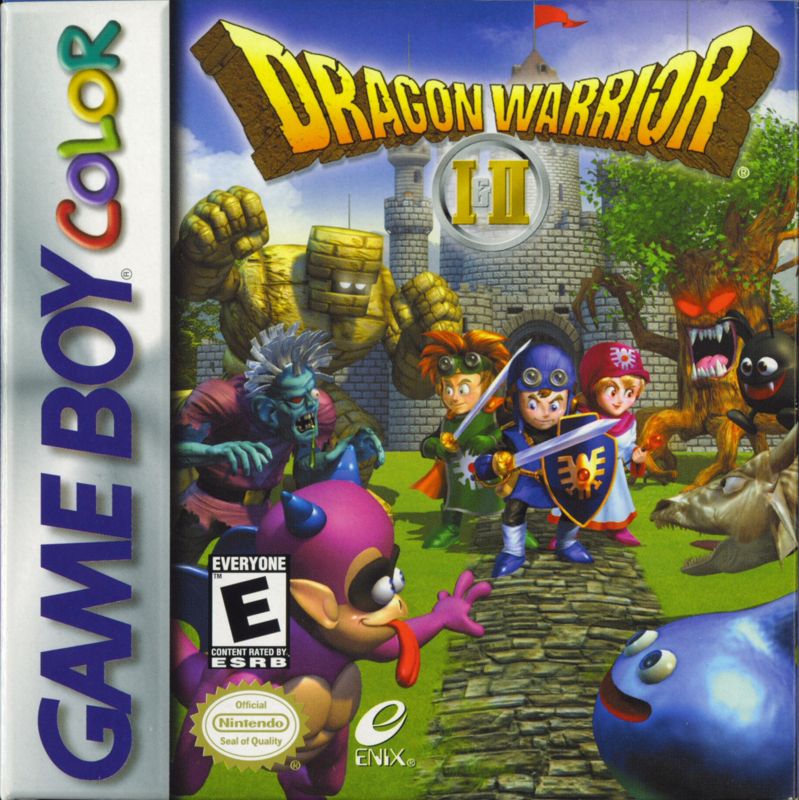


Retro Replay Review
Gameplay
Dragon Warrior I & II on Game Boy brings the foundational turn-based combat and exploration of the original NES titles into a handheld format, complete with thoughtful quality-of-life enhancements. You can now quick-save almost anywhere—outside of battle—making dungeon dives and overworld treks far less punishing. This on-the-fly saving system complements the added bank feature, where you can stow away gold to protect your hard-earned treasure from permanent loss if you fall in battle.
(HEY YOU!! We hope you enjoy! We try not to run ads. So basically, this is a very expensive hobby running this site. Please consider joining us for updates, forums, and more. Network w/ us to make some cash or friends while retro gaming, and you can win some free retro games for posting. Okay, carry on 👍)
Combat retains its classic menu-driven feel: enemies appear at random, and you choose commands like Fight, Slay, or Items in rapid succession. The balance shifts slightly in your favor here, as monsters grant more experience points and gold than in older releases. This tweak smooths out the grind, helping you level up and afford better gear without having to replay the same areas endlessly—ideal for sessions squeezed between real-world obligations.
The pacing adjustments extend to world traversal. Towns and inns appear more frequently, with shops stocked to match your level progression. While the map layouts remain true to the NES originals, moving from screen to screen feels brisk, thanks to the Game Boy’s lower resolution and simplified sprite work. For newcomers and series veterans alike, these tweaks turn Dragon Warrior I & II into a more approachable, portable JRPG package.
Graphics
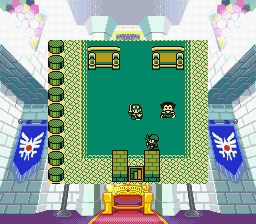
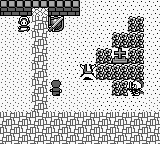
On the classic green-tinted display of the Game Boy, Dragon Warrior I & II’s monochrome pixel art still packs charm. Character sprites are small but recognizable, and enemy designs—slimes, ghost ghouls, and fulgur birds—retain the endearing simplicity that defined the series. The lack of color is offset by clean outlines and well-contrasted backgrounds, ensuring that key details like treasure chests, doors, and NPCs stand out clearly.
While the world maps have been scaled down from their NES counterparts, the essential geography remains intact. Towns, dungeons, and overworld paths are easy to navigate, and the sprite re-draws are faithful to the source material. Despite hardware limitations, animations feel crisp: sword swings, spell effects, and level-up flashes all register quickly, with minimal slowdown even when exploring dense monster zones.
Menus and text windows benefit from a straightforward interface that places statistics and commands in logical spots. The new translation uses shorter, more modernized names, which helps prevent text overflow and keeps dialogue boxes neat. Though you miss out on the richer color palettes and detailed backgrounds of later SNES remakes, the Game Boy versions deliver a clean, functional aesthetic that highlights the series’ roots.
Story
Dragon Warrior I presents an archetypal hero’s quest: the descendant of the legendary Erdrick rises to defeat the evil Dragonlord and restore peace to Alefgard. The narrative is concise, with NPCs offering direction in brief, pointed bursts. The updated localization drops the archaic “thee” and “thou” phrasing in favor of clearer, more direct dialogue—with many names restored closer to their original Japanese forms, deepening the sense of series lore.
In Dragon Warrior II, you follow three champions—Manto, Azar, and Trode—each on parallel missions to thwart the dark god Hargon. The plot introduces more towns and subplots, but remains straightforward. The refreshed translation tightens pacing by removing redundant filler text, speeding up key narrative beats and letting you focus on boss battles and dungeon exploration. As a result, story segments feel balanced against the added gameplay conveniences.
Together, the two games showcase the evolution of early Dragon Quest storytelling. The first game’s minimalist approach pairs well with a handful of memorable set-pieces, while the second builds on the formula with multiple protagonists and varied environments. Although neither entry matches the narrative depth of later JRPGs, both deliver a heroic mythos that resonates—especially when experienced on the go.
Overall Experience
Dragon Warrior I & II on Game Boy offers a distilled dose of classic JRPG adventuring, enhanced by modern sensibilities in translation and convenience features. The combination of quick-save freedom, bank storage, and boosted rewards transforms two notoriously grind-heavy titles into more user-friendly experiences. This portable package strikes an appealing balance between nostalgia and practicality.
For longtime fans, it’s rewarding to replay these foundational entries with clearer text and smoother progression. The crisp pixel art and iconic sound effects translate well to the handheld platform, ensuring that the essence of the originals shines through even without color. Newcomers gain a relatively gentle introduction to Dragon Quest mechanics, thanks to the experience and gold rate tweaks.
Ultimately, Dragon Warrior I & II on Game Boy stands as a thoughtful revival of series classics. It doesn’t reinvent the wheel, but it doesn’t need to: the core loop of exploration, leveling, and boss battles remains as engaging today as it was decades ago. If you’re seeking a portable window into JRPG history—complete with quality-of-life updates that respect the source—you’ll find plenty to love here.


Reviews
There are no reviews yet.