 Retro Replay Retro Replay gaming reviews, news, emulation, geek stuff and more!

Retro Replay Review
Gameplay
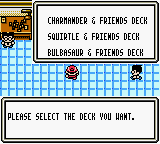
The Pokémon Trading Card Game on Game Boy faithfully adapts the tabletop TCG experience into a portable format, tasking players with collecting cards, building decks, and challenging a series of Gym Leaders to earn tougher cards. From the opening tutorial, which gently introduces the rules—how to play Energy cards, use Trainer cards, and evolve basic Pokémon—you quickly grasp the fundamentals and can jump right into deck customization. Deck-building is intuitive: you choose from starter decks themed around Grass, Fire, or Water types, then swap in new cards as you earn them to refine your strategy.
(HEY YOU!! We hope you enjoy! We try not to run ads. So basically, this is a very expensive hobby running this site. Please consider joining us for updates, forums, and more. Network w/ us to make some cash or friends while retro gaming, and you can win some free retro games for posting. Okay, carry on 👍)
As you progress, battles become more tactical. Gym Leaders specialize in particular card types such as Electric or Psychic, forcing you to adapt your deck or risk defeat. The game rewards experimentation: mixing different types of Pokémon, balancing your Energy allocation, and strategically deploying Trainer cards can turn the tide of seemingly unwinnable matches. For those who enjoy the puzzle-like nature of card games, each match becomes a satisfying mental exercise in resource management and timing.
Secret cards provide an extra layer of motivation. Defeat certain NPCs or complete special challenges to unlock rare variants like Surfing Pikachu or Flying Pikachu, which boast unique artwork and interesting battle effects. Hunting these secret cards can consume hours as you track down every elusive opponent across the map. It’s a clever incentive that extends the game’s replay value, encouraging you to revisit earlier gyms with newly optimized decks.
The progression loop—collect, battle, earn, and upgrade—remains engaging from start to finish. While the AI can feel predictable after repeated battles, rearranging your deck or adding surprising Trainer cards can keep encounters fresh. For fans of strategic card games, the blend of collecting and battling on a handheld console strikes a satisfying balance between depth and accessibility.
Graphics
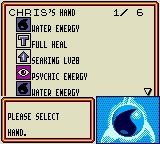
Given the hardware constraints of the original Game Boy, Pokémon Trading Card Game impresses with crisp, clear visuals and well-differentiated card art. Each card’s silhouette and iconography—types, hit points, and attacks—are rendered with sufficient detail to make deck-building and in-battle decisions quick and intuitive. The monochrome palette doesn’t detract from readability; rather, it lends a nostalgic charm that many longtime Pokémon fans will instantly recognize.
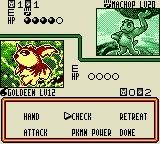
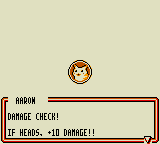
Battle animations are kept simple but effective. When you play an attack, the relevant Pokémon sprite flashes, and an icon representing damage or special effects appears in bold on the screen. While you won’t see flashy explosions or 3D effects, the straightforward visual feedback ensures you always know exactly what’s happening. Subtle touches like a glowing border when a Trainer card is activated or a shaking effect when a Pokémon is knocked out add personality without overwhelming the hardware.
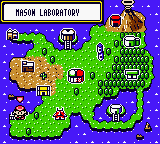
Menus and the overworld map adopt the classic Game Boy aesthetic—blocky fonts, grid-based navigation, and a top-down perspective. Though primitive by modern standards, the interface is highly functional. Icons for each card type line up neatly in your collection, and text descriptions scroll at a brisk pace. Combined with an easily navigable menu structure, the graphics serve gameplay first, ensuring you spend less time fumbling with controls and more time crafting winning decks.
In short, the visual presentation may not dazzle a contemporary audience used to full-color, high-resolution displays, but it remains remarkably polished for its platform. Card art retains the essence of the original TCG illustrations, making each discovery feel like a mini treasure hunt as you fill out your collection.
Story
Unlike traditional Pokémon RPGs where you capture creatures in the wild, the narrative of Pokémon Trading Card Game revolves around your journey as an aspiring card battler. Starting in Professor Oak’s lab, you select your first deck and learn the ropes through a friendly tutorial match. This setup neatly frames your progression: you aren’t catching Pokémon, but rather earning them in card form by besting gym trainers and rival cardmasters.
Your quest unfolds across diverse locations—each gym town poses a new thematic challenge, from the verdant leaves of a Grass-type specialist to the industrial backdrop of a Metal-type enthusiast. Between battles, NPCs offer snippets of world-building, share card-trading tips, or hint at the whereabouts of elusive secret cards. Though dialogue is sparse due to the platform’s limitations, these interactions lend a sense of purpose and continuity to your card-collecting mission.
Rival encounters help drive the narrative. Periodically, you cross paths with another novice card player who tests your mettle with their own customized deck—often featuring unexpected card combinations. Defeating these rivals not only yields new cards but also reinforces a feeling of competition and camaraderie. Each victory feels significant, as if you’re steadily climbing the ranks in a larger Pokémon TCG community.
While there’s no overarching villain or grandiose plot twist, the simple storyline is perfectly suited to the game’s focus on strategic battles. The sense of accomplishment you get from earning your next powerful card or unlocking a secret Gym Leader battle fills the narrative gaps with genuine satisfaction and keeps you invested until the final match.
Overall Experience
Pokémon Trading Card Game for Game Boy offers a surprisingly deep and rewarding portable card-battling experience. The core loop of collecting cards, customizing decks, and battling a variety of opponents provides ample strategic depth without overwhelming newcomers. Thanks to its intuitive interface and well-paced tutorial, even players unfamiliar with the tabletop version can dive right in and start crafting decks that reflect their personal style.
The game’s longevity hinges on its secret cards and deck-building possibilities. Unlocking special Pikachu variants or rare Trainer cards feels like discovering a hidden gem, and experimenting with new card combinations can reignite excitement after dozens of hours of play. Although the AI can become predictable, the strategic nuances of deck synergy and energy management help maintain challenge and engagement.
On a handheld that many consider dated by today’s standards, Pokémon Trading Card Game nevertheless showcases how clever design and faithful adaptation can deliver a compelling experience. It strikes a fine balance between accessibility for casual players and strategic depth for TCG enthusiasts. For collectors, the satisfaction of completing a full card set on the go is unrivaled.
Whether you’re a longtime Pokémon fan seeking a nostalgic trip or a newcomer curious about the card game’s mechanics, this title remains a noteworthy entry in the Pokémon franchise. With its simple graphics, clear interface, and rich gameplay systems, it stands the test of time as one of the best digital adaptations of the Pokémon Trading Card Game.


Reviews
There are no reviews yet.