 Retro Replay Retro Replay gaming reviews, news, emulation, geek stuff and more!


Retro Replay Review
Gameplay
The Legend of Zelda: Link’s Awakening retains the core formula that made A Link to the Past so beloved, presenting a seamless top-down perspective for exploration, combat, and puzzle solving. From the moment Link washes ashore on Koholint Island, the game encourages you to scour every corner of the map for hidden passages, secret seashells, and powerful items that will propel your journey forward. Each new collectible—be it the Pegasus Boots, Roc’s Feather, or the Hookshot—unlocks fresh possibilities, from speed-running over obstacles to grappling across chasms.
(HEY YOU!! We hope you enjoy! We try not to run ads. So basically, this is a very expensive hobby running this site. Please consider joining us for updates, forums, and more. Network w/ us to make some cash or friends while retro gaming, and you can win some free retro games for posting. Okay, carry on 👍)
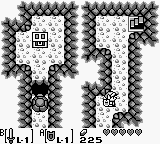
One of the most memorable twists in gameplay is the shift to side-scrolling platforming within certain dungeon rooms. These segments break up the traditional Zelda formula, demanding precision jumps and timing in a way that feels both nostalgic and innovative. The contrast between the top-down overworld and these brief 2D platform challenges provides welcome variety, ensuring that each dungeon feels distinct and keeps you on your toes.
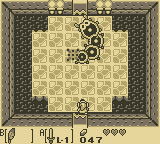
Progression is structured around collecting instruments from the seven temples scattered across islands, mountains, and shorelines. Every temple culminates in a boss fight that tests your mastery of acquired items and your ability to read enemy patterns. Along the way, you’ll revisit earlier areas with new tools in hand, discovering shortcuts and previously locked secrets. This Metroidvania-lite design gives the game a satisfying sense of growth and empowers players to feel like true adventurers piecing together the secret of the Wind Fish.
Graphics
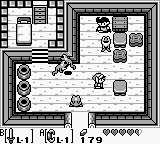
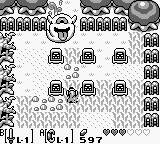
On the original Game Boy, Link’s Awakening delivers crisp, well-defined sprites and environments that push the handheld’s limited palette to its fullest. Despite the monochrome screen, each area feels vibrant through clever use of shading and contrast: verdant forests, rocky beaches, and dimly lit dungeons all carry their own visual identity. NPCs are charmingly designed, with expressive animations that lend Koholint Island a whimsical life of its own.
The side-scrolling dungeon rooms stand out in particular, with detailed backgrounds that recall classic platformers of the era. These sections use parallax scrolling and more intricate sprite work, creating a visual surprise that complements the gameplay shift. Even on original hardware, it’s clear that Nintendo’s artists took care to differentiate these areas and keep players visually engaged throughout the adventure.
For those playing the DX version on Game Boy Color, the addition of a vibrant color palette enhances the experience further. Link’s green tunic, the Red Potion flasks, and the golden Egg atop Mt. Tamaranch all pop with clarity. Even decades after its release, the art direction remains timeless—proof that strong design can transcend technological limitations and stand out in a catalog full of pixel-based titles.
Story
Link’s Awakening opens with a dramatic shipwreck that leaves our hero stranded on the enigmatic Koholint Island. From the very first moments, you’re drawn into questions about the nature of this place—why is there a colossal egg atop a mountain, and who is the mysterious woman who watches over the Wind Fish’s slumber? These beats set the stage for an adventure brimming with surreal charm and unexpected pathos.
As you traverse each region in search of the seven musical instruments, you meet a cast of memorable characters: flamboyant shopkeepers, helpful villagers, and even a stray chicken with a penchant for hiding in pots. While many Zelda games root their narratives in a high-stakes battle against Ganon, Link’s Awakening feels more personal. The story arc revolves around discovery and the bittersweet reality that awakening the Wind Fish may erase the world you’ve come to love.
Ultimately, the tale surprises players with an introspective twist on the nature of dreams and reality. Conversations hint at fleeting memories and the idea that Koholint Island may be nothing more than a dream. Yet each temple conquered and each character helped cements an emotional investment that lingers long after the credits roll. It’s a tightly woven narrative that rivals many full-fledged console titles, all packed into the portable confines of a flagship handheld game.
Overall Experience
The Legend of Zelda: Link’s Awakening remains a benchmark for handheld adventure games, merging tight dungeon design, inventive gameplay twists, and a poignant story into a cohesive package. Its relatively modest runtime—often completed in 8 to 12 hours—means there’s never a dull moment, yet it manages to feel substantial and rewarding from start to finish. Exploration is always encouraged, and the satisfaction of finding a hidden cave or finally defeating a boss you’ve been grappling with is as strong today as it was at release.
For newcomers, the game is an accessible entry point into the Zelda universe, with straightforward mechanics and a forgiving difficulty curve. Seasoned veterans will appreciate the nostalgic nods to A Link to the Past, as well as the game’s self-contained charm and creative flourishes. The balance of puzzle-solving, combat, and platforming keeps the pacing dynamic, ensuring that players of all skill levels can find moments of triumph and discovery.
Whether you’re revisiting this classic on original hardware, enjoying the color-patched DX version, or exploring the fully reimagined Nintendo Switch remake, Link’s Awakening delivers an unforgettable odyssey. It’s a shining example of how bold design choices—like mixing perspective styles and crafting a dreamlike narrative—can elevate a handheld title into the realm of all-time greats. Koholint Island may vanish when the Wind Fish awakens, but the memories of this adventure will endure far beyond any single playthrough.


Reviews
There are no reviews yet.