 Retro Replay Retro Replay gaming reviews, news, emulation, geek stuff and more!


Retro Replay Review
Gameplay
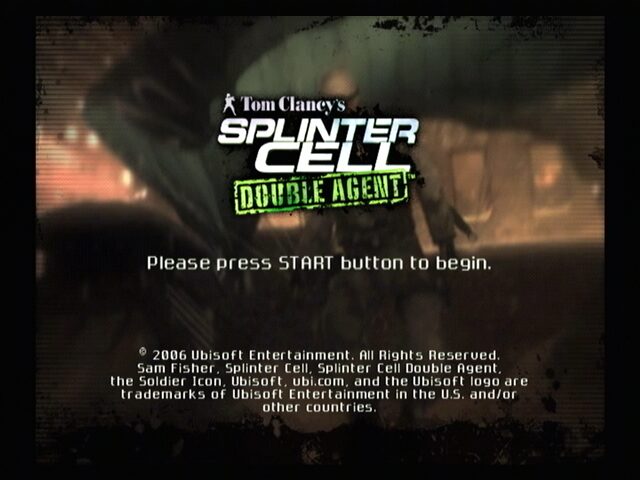
Tom Clancy’s Splinter Cell: Double Agent offers a dynamic gameplay experience that challenges players to balance stealth and aggression. You can choose to adopt a silent approach, slipping past guards in the shadows, or go in guns blazing, creating chaos and mayhem. Each choice affects not only how missions unfold but also how NPCs and factions react to Sam Fisher over the course of the game.
(HEY YOU!! We hope you enjoy! We try not to run ads. So basically, this is a very expensive hobby running this site. Please consider joining us for updates, forums, and more. Network w/ us to make some cash or friends while retro gaming, and you can win some free retro games for posting. Okay, carry on 👍)
The inclusion of multiple settings—ranging from a high-security prison to a luxury yacht in Cozumel and conflict zones in Africa—keeps the pacing fresh and varied. Each environment demands a different approach: in the prison, tight corridors emphasize close-quarters stealth, while the open decks of the yacht encourage tactical use of gadgets. Players must adapt their loadout of weapons and tools, from silenced pistols to sticky cams and remote mines, to suit each challenge.
Gadgets are at the heart of Double Agent’s gameplay. The ability to manipulate lighting, electrify water-filled areas, or switch between electric, night, and heat vision provides layers of tactical depth. These tools not only offer creative ways to dispatch or evade enemies, but also uncover hidden intel needed to fulfill mission objectives or unlock alternate paths.
Adding to its replay value, Double Agent features three distinct endings determined by the moral and tactical choices you make. Your allegiance—whether you truly serve Third Echelon or covertly sabotage from within—reshapes the narrative outcome. Coupled with 14 cooperative missions (offline and online on select platforms) and the innovative Spies vs. Spies multiplayer mode, the game rewards experimentation and repeated playthroughs.
Graphics
Visually, Splinter Cell: Double Agent represents a strong iteration of the series’ signature aesthetic, even on platforms like Wii and GameCube. While the engine lacks multi-threading support, it delivers sharp textures and realistic lighting effects that are essential for stealth gameplay. Shadows and dynamic lights respond convincingly as you toggle the environment’s illumination to create hiding spots or blind enemies.
The character models, particularly Sam Fisher’s scarred face and tactical gear, exhibit a higher polygon count compared to previous console entries. Environmental details—rust on prison bars, sun glint on water surfaces, and the grime of an African warzone—enhance immersion. Frame rates remain stable for the most part, even during action-heavy encounters, ensuring that precision stealth actions aren’t hampered by performance dips.
Cutscenes and cinematics, which total roughly eight minutes of additional footage over the Xbox 360/Windows release, further enrich the presentation. These segments are well-directed, using close-ups and dramatic lighting to underscore the narrative tension. Although the Wii/GameCube versions streamline some graphical effects to maintain performance, the overall visual fidelity remains impressive and true to the series’ dark, gritty tone.
Story
Double Agent places Sam Fisher in a morally complex scenario: once an elite operative for Third Echelon, he is now forced to infiltrate terrorist organizations from the inside. This reversal of roles adds a psychological depth rarely seen in a stealth action game. Trust becomes a currency, and every decision—whether to rescue hostages, neutralize informants, or plant false evidence—carries weighty consequences.
As Fisher’s allegiances shift and his allies appear in flux, the narrative explores themes of identity, loyalty, and sacrifice. Moments of quiet reflection—such as reading intercepted communications or watching interrogations from afar—contrast sharply with high-octane infiltration missions. This ebb and flow keeps the story engaging, allowing players to feel the pressure of operating double-agent style under constant threat of exposure.
The branching storyline and three possible endings reinforce the notion that your actions truly matter. Do you uphold your oath to the U.S. government at the cost of innocent lives, or do you betray your handlers to save civilians? Each outcome provides closure while inviting players to replay the game and explore alternative moral paths, making the narrative both personal and replayable.
Overall Experience
Splinter Cell: Double Agent stands out as one of the more ambitious entries in the franchise. Its dual-natured missions and morally ambiguous storyline elevate it beyond standard stealth fare. Whether you prefer meticulous shadow-play or a more confrontational approach, the game accommodates multiple playstyles without forcing you into a single mold.
The addition of co-op missions and the robust Spies vs. Spies mode expands longevity, offering fresh challenges that test teamwork and competitive sabotage. Even on platforms with pared-down graphical features, the core mechanics and mission design remain intact, ensuring that fans of the series will find plenty to enjoy.
From the versatile gadget suite to the branching narrative and varied mission locales, Splinter Cell: Double Agent delivers a compelling package for both newcomers and series veterans. Its emphasis on choice, atmosphere, and replayability makes it an essential stealth-action thriller—one that will keep you planning your next infiltration long after the credits roll.


Reviews
There are no reviews yet.