 Retro Replay Retro Replay gaming reviews, news, emulation, geek stuff and more!
Retro Replay Review
Gameplay
Beggar Prince delivers a classic JRPG experience that feels both familiar and fresh. From the moment you step onto the overworld map, the game invites you to explore quaint villages, winding caves, and sprawling dungeons in search of treasure and new allies. The pacing is deliberate, giving you the freedom to grind for experience or push forward into more challenging territory. While veterans of the genre will feel right at home navigating menus and inventory screens, newcomers can appreciate the clear tutorials and gradual introduction of mechanics.
(HEY YOU!! We hope you enjoy! We try not to run ads. So basically, this is a very expensive hobby running this site. Please consider joining us for updates, forums, and more. Network w/ us to make some cash or friends while retro gaming, and you can win some free retro games for posting. Okay, carry on 👍)
The combat system is one of the game’s standout features. Battles are turn-based and viewed from an isometric angle, offering a strategic layer to each encounter. You begin each turn with a full SP meter, allowing for a combination of physical attacks, healing spells, and elemental magic. Deciding whether to unload powerful offensive spells early or conserve SP for defensive maneuvers adds a satisfying tactical depth. Enemy groups also employ this SP economy, meaning they can chain spells or buff one another mid-fight, keeping you on your toes.
Exploration and side activities further enrich the gameplay loop. NPCs frequently offer optional quests, such as tracking down lost items or solving local mysteries, which yield useful rewards and deepen your connection to the world. Dungeons often feature environmental puzzles—moving blocks, activating switches in the correct order, or navigating hidden passages—breaking up the combat with light brain teasers. These diversions ensure that Beggar Prince never becomes a simple battle grind, balancing action, puzzle-solving, and story progression.
Finally, the game’s difficulty curve is well-calibrated. Early battles teach the importance of SP management and elemental matchups without punishing your mistakes too harshly. As you acquire new spells and equipment, the challenge scales appropriately, culminating in boss fights that demand careful planning and resource allocation. A well-designed autosave system means you can always retry difficult sections without losing significant progress, making persistent players feel rewarded for perseverance.
Graphics
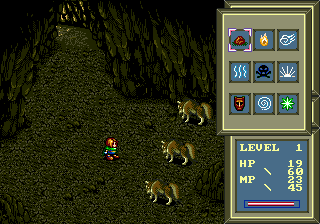
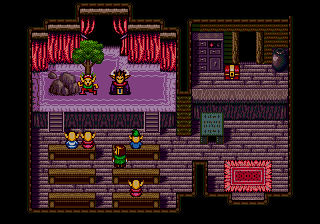
Visually, Beggar Prince embraces a retro aesthetic reminiscent of 16-bit era RPGs, yet it adds modern polish that prevents it from feeling outdated. The sprite work is detailed, with fluid animations for walking, spellcasting, and combat stances. Character portraits during dialogue sequences exhibit expressive emotions—from the prince’s boyish curiosity to the wary glances of townsfolk—adding personality to each encounter.
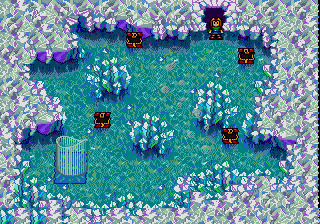
The color palette is vibrant without being garish. Towns feature warm hues of terracotta roofs and lush greenery, while dungeons shift to cool blues and ominous purples, setting a mood that matches the narrative. Lighting effects, such as flickering torches or magic glows, enhance immersion, and simple particle effects during spell animations lend each attack a satisfying punch. Frames per second remain stable throughout, even during large-scale battles, ensuring smooth gameplay.
World map transitions and scrolling are handled gracefully, with no noticeable loading delays. Environmental details—cobblestone patterns in town squares, wooden signposts, or shimmering waterfalls—illustrate the developers’ dedication to world-building. Though the graphics are not cutting-edge by today’s standards, they strike a perfect balance between nostalgia and quality, appealing to fans of classic RPGs and newcomers alike.
Menus and UI elements also receive careful design attention. Icons for weapons, armor, and items are distinct and easy to read. The combat interface clearly shows each party member’s HP and SP bars, magic types, and elemental strengths or weaknesses. Even after long play sessions, the clean presentation minimizes fatigue, helping players focus on strategy rather than deciphering cluttered screens.
Story
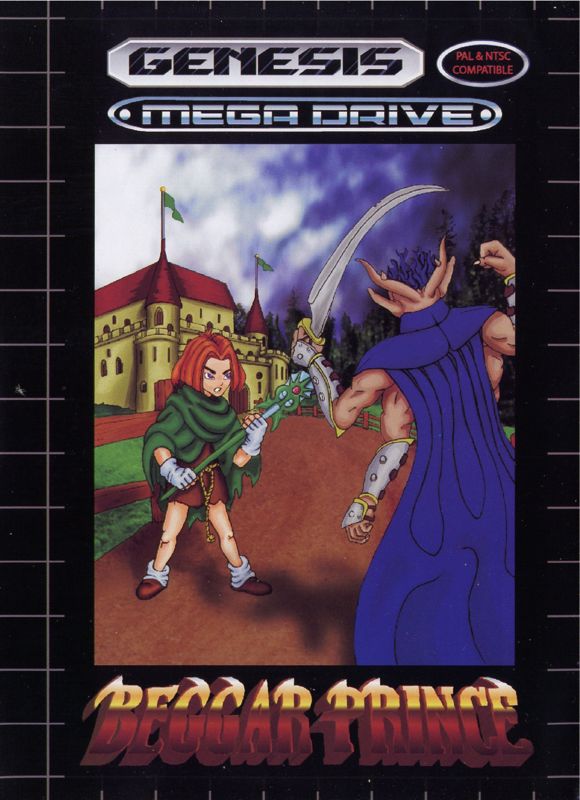
Beggar Prince takes the core premise of Mark Twain’s “The Prince and the Pauper” and expands it into an epic fantasy adventure. The initial body-swap scenario is charming, capturing the prince’s naiveté as he steps into the shoes of a commoner. Early dialogue balances lighthearted humor—witnessing palace life from an outsider’s perspective—with subtle foreshadowing of deeper political intrigues lurking behind palace walls.
As the narrative unfolds, you encounter an array of characters who each bring unique backstories and motivations. You’ll befriend warriors seeking redemption, mages pursuing forbidden knowledge, and villagers whose fates become entwined with your own. Sidequests often reveal personal arcs—such as reuniting lost siblings or discovering a hidden lineage—that enrich the main plot. Though some dialogue can feel expository, the writing quality remains consistently engaging, with occasional quips that lighten darker moments.
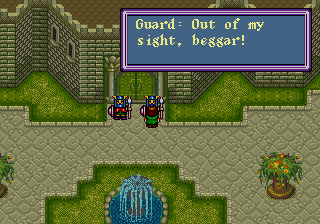
The game’s pacing is thoughtfully structured. After the initial disguise mishap, a sense of genuine peril pervades each new area. You never quite know if the guards will be closing in on you or if a mysterious benefactor will offer guidance. Major story beats—like unearthing royal conspiracies or confronting tyrannical overlords—are spaced out just enough to maintain momentum without rushing character development. Boss encounters often tie directly into narrative climaxes, giving combat a meaningful context beyond mere gameplay hurdles.
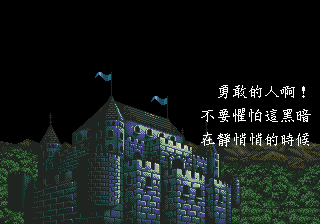
The translation from Chinese to English is commendable, with minimal typographical errors and a faithful adaptation of cultural nuances. Occasional regional idioms add flavor without causing confusion, and the inclusion of in-world lore—such as historical scrolls or folk tales—enhances the sense of immersion. For players who appreciate a well-crafted storyline, Beggar Prince weaves heart, humor, and high stakes into a cohesive and memorable journey.
Overall Experience
Beggar Prince offers a satisfying blend of classic RPG mechanics, engaging storytelling, and appealing pixel art. Whether you’re drawn in by the novelty of its body-swap premise or the comforting familiarity of turn-based combat, the game provides countless hours of exploration and strategic challenge. The world feels alive, populated by characters with genuine personalities and motivations that go beyond stock fantasy tropes.
The learning curve is balanced; newcomers to the genre will find the SP-based combat intuitive, while veterans can experiment with advanced tactics like multi-hit combo spells and elemental exploitation. Side content—optional dungeons, mini-quests, and hidden treasures—encourages thorough exploration, and the autosave plus frequent inns ensure that frustration rarely derails progress. You can jump in for a short session or dive deep into marathon playthroughs without losing the thread of the adventure.
Sound design and musical score complement the gameplay and visuals. While the soundtrack doesn’t reinvent the wheel, its memorable melodies—ranging from jaunty village themes to brooding dungeon tunes—enhance each location’s atmosphere. Sound effects during combat, like the clang of steel or the crackle of magic, provide gratifying feedback without overwhelming the hearing senses.
In conclusion, Beggar Prince stands out as a heartfelt homage to classic JRPGs, infused with its own unique narrative spin and modern quality-of-life touches. It strikes an ideal balance for those seeking nostalgia and depth without outdated design pitfalls. For RPG enthusiasts or anyone curious about a richly woven tale of mistaken identity, adventure, and personal growth, Beggar Prince is a journey worth embarking on.



Reviews
There are no reviews yet.