 Retro Replay Retro Replay gaming reviews, news, emulation, geek stuff and more!
Retro Replay Review
Gameplay
Penumbra: Overture – Episode 1 delivers a unique blend of survival horror and physics-driven adventure. From the moment you pick up your first tool—a simple hammer or broom—you’re encouraged to experiment with the environment. Every object can be manipulated, from swinging and breaking boards to rotating valves and prying open lockers. This tactile approach makes each puzzle feel organic and immersive, calling on players to think like an engineer rather than a typical action hero.
(HEY YOU!! We hope you enjoy! We try not to run ads. So basically, this is a very expensive hobby running this site. Please consider joining us for updates, forums, and more. Network w/ us to make some cash or friends while retro gaming, and you can win some free retro games for posting. Okay, carry on 👍)
The inventory system is straightforward yet demanding: key items must be combined or used in precise ways to unlock new areas or reveal hidden clues. Your notebook keeps track of collected notes and adds tasks to a to-do list, ensuring you never lose sight of your objectives. Puzzle design in Overture favors careful observation, with solutions often lying in the interplay of light, sound, and physics. You might need to rig a makeshift trap or fashion a weight system out of scrap parts to progress, reinforcing the game’s emphasis on resourcefulness over brute force.
Combat is minimal and intentionally claustrophobic. Rather than engage enemies head-on, you’re guided to use stealth and misdirection. Shadows become your ally; if you stay hidden long enough, the screen’s edges turn blue, indicating you’re safely concealed. When confrontation is unavoidable, environmental hazards or improvised traps are far more effective than swinging your pickaxe. This discouragement of direct violence heightens the tension, making every creak in the darkness feel like a potential threat.
Graphics
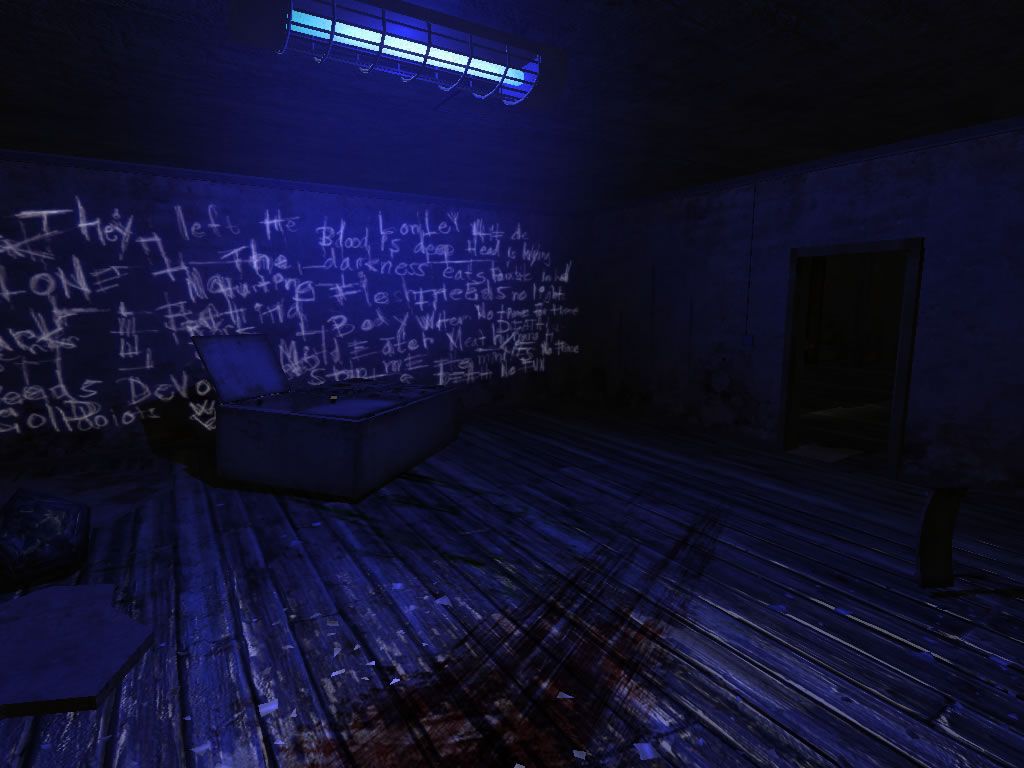
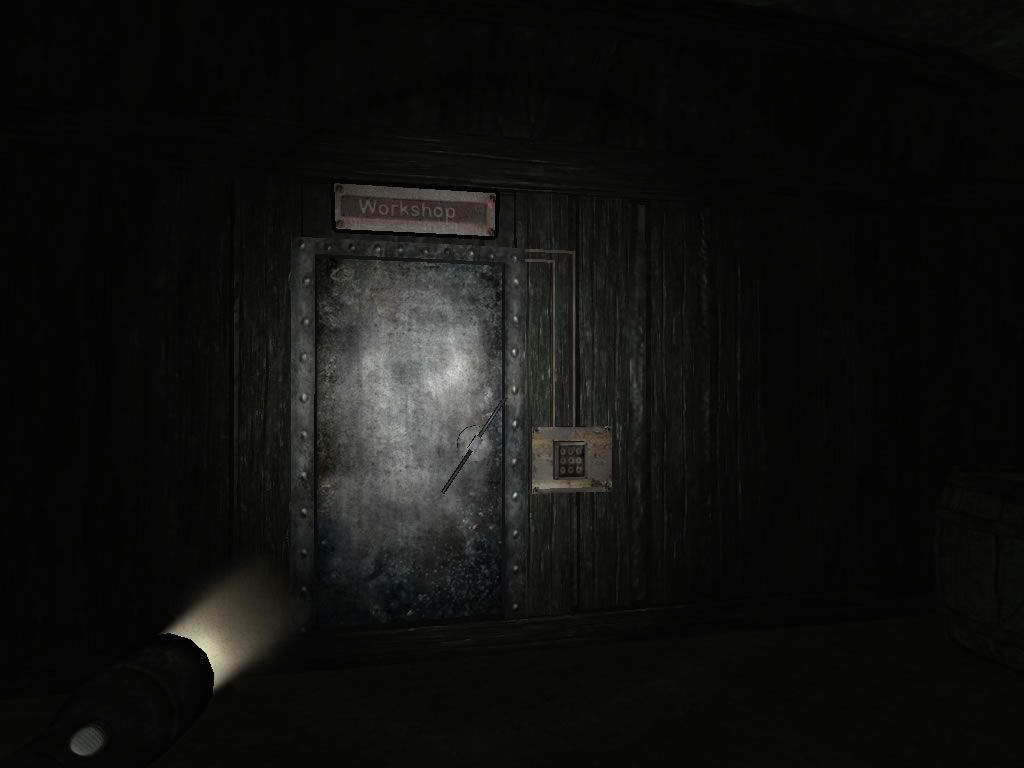
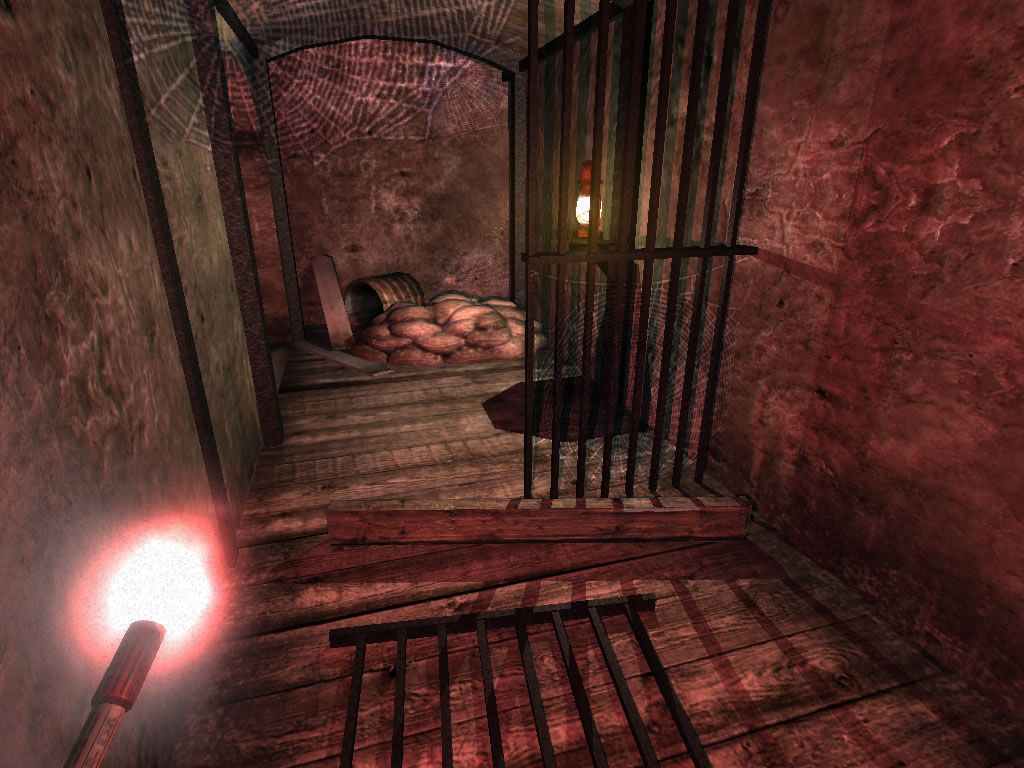
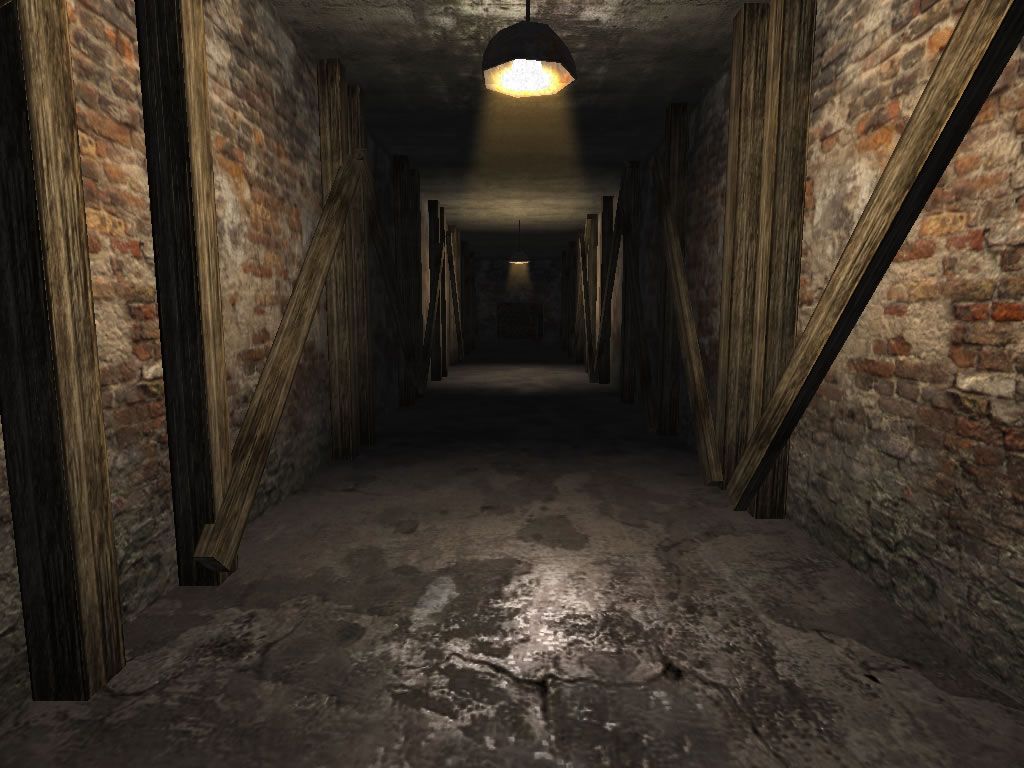
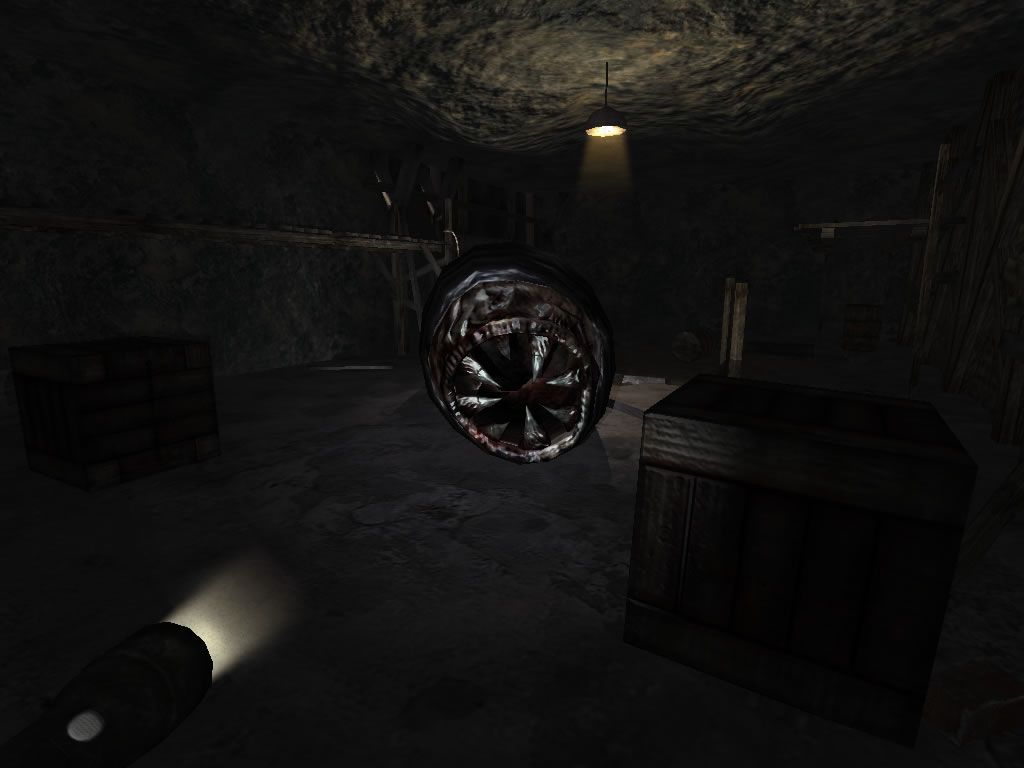
Built on the in-house HPL engine, Penumbra: Overture’s visuals strike a balance between gritty realism and unsettling abstraction. The underground complex you explore is rendered with muted color palettes and weathered textures that evoke both a sense of decay and a looming threat. Flickering lights from your flashlight and flares cast dynamic shadows, transforming ordinary corridors into labyrinthine nightmares.
Details such as water dripping from rusty pipes, debris-strewn hallways, and the warped contours of abandoned machinery all contribute to an oppressive atmosphere. While character models are limited—most of your adversaries remain off-screen or caught in fleeting glimpses—the environments carry the weight of isolation. Occasional particle effects and subtle volumetric lighting showcase the HPL engine’s prowess, even if the overall aesthetic leans toward functional rather than flashy.
Sound design plays an equally vital role in the graphical experience. The echo of your footsteps, ominous groans in distant chambers, and the metallic clang of swinging tools all work in concert with visual cues. Though OpenAL audio support was cutting-edge at the time, the game’s sparse soundtrack and ambient effects remain effective in ratcheting up suspense. In darkness, a single beam of light can reveal both salvation and horror, making you acutely aware of how much—or how little—you can actually see.
Story
The narrative premise revolves around Philip, a man who thought he knew nothing of his father until a cryptic letter arrives after his mother’s death. Ordered to destroy her papers, Philip instead follows the trail of clues to the frozen wastelands of Greenland. There, he uncovers a subterranean research facility laden with secrets that question the very nature of reality and human experimentation.
Penumbra’s story unfolds through scattered documents, one-way voice calls from a mysterious figure known as Red, and environmental storytelling. Each note adds pieces to a larger puzzle—fragments of research on strange pathogens, hints of covert government projects, and personal confessions that blur the line between madness and discovery. The game never spoon-feeds exposition; instead, it trusts players to piece together the mystery through careful reading and context.
The tension escalates as Philip delves deeper, encountering remnants of previous explorers and the horrifying outcomes of their choices. While the plot may not offer frequent cinematic set-pieces, its slow-burning dread is more unsettling in the long run. You never know when a seemingly innocuous hallway will become the site of your next heart-stopping encounter, making the story feel alive and intimately connected to the environment you’re navigating.
Overall Experience
Penumbra: Overture – Episode 1 stands out as an atmospheric survival horror experience that prioritizes immersion and ingenuity. Its physics-based interactions create memorable moments of discovery, whether you’re jerry-rigging a generator or hiding from unseen terrors in pitch-black corridors. The deliberate pacing and minimal UI ensure that every creak, shadow, and dripping pipe demands your full attention.
The game’s learning curve can be steep, especially if you’re unaccustomed to manual object manipulation or open-ended puzzles. However, this challenge becomes part of the appeal, rewarding patient experimentation and curiosity. Occasional frustrations—like searching for a single misplaced battery in a sprawling level—are offset by the satisfaction of solving complex environmental riddles.
Ultimately, Penumbra: Overture – Episode 1 is more than a tech demo turned full game; it’s a testament to what a small development team can achieve with a focused vision. The haunting atmosphere, coupled with innovative gameplay mechanics, creates a horror experience that lingers long after you power down your PC. For fans of cerebral scares and tactile adventure, this episode marks an essential journey into the depths of fear and discovery.


Reviews
There are no reviews yet.