 Retro Replay Retro Replay gaming reviews, news, emulation, geek stuff and more!
Retro Replay Review
Gameplay
Ring: The Legend of the Nibelungen presents a unique fusion of point-and-click adventure mechanics with light RPG elements, all underscored by an operatic narrative structure. Players begin by choosing one of four distinct characters, each endowed with unique abilities and access to different narrative branches. From solving complex environmental puzzles aboard drifting space stations to engaging in real-time skirmishes against mechanical minions of the Ring, the gameplay constantly shifts gears to keep you on your toes.
(HEY YOU!! We hope you enjoy! We try not to run ads. So basically, this is a very expensive hobby running this site. Please consider joining us for updates, forums, and more. Network w/ us to make some cash or friends while retro gaming, and you can win some free retro games for posting. Okay, carry on 👍)
The pacing is deliberate, reflecting the grandeur of an epic opera. Exploration sequences allow you to piece together fragments of the Ring saga, while interactive arias punctuate key story moments with sung dialogue and dynamic camera work. Combat is more about timing and strategic use of special abilities than button-mashing; each character’s skill tree grants access to powerful cosmic spells that can alter the battlefield in spectacular fashion.
Puzzle design leans heavily on environmental storytelling. Decoding ancient star charts, rerouting power grids in derelict towers, and deciphering alien runes all serve to advance both the legend and your character’s personal journey. While some puzzles may feel opaque on first glance, the game’s hint system—styled like an in-universe opera libretto—ensures you never stray too far into frustration.
Inventory management is streamlined, with an elegant radial menu that lets you combine artifacts of the Ring quickly and intuitively. Collectibles, such as holographic opera scores and fragment-shards of Wagner’s original motifs, enrich each character’s lore. Overall, Ring strikes a careful balance between narrative-driven exploration and interactive challenge, making every step toward reconstructing the Ring feel earned and meaningful.
Graphics
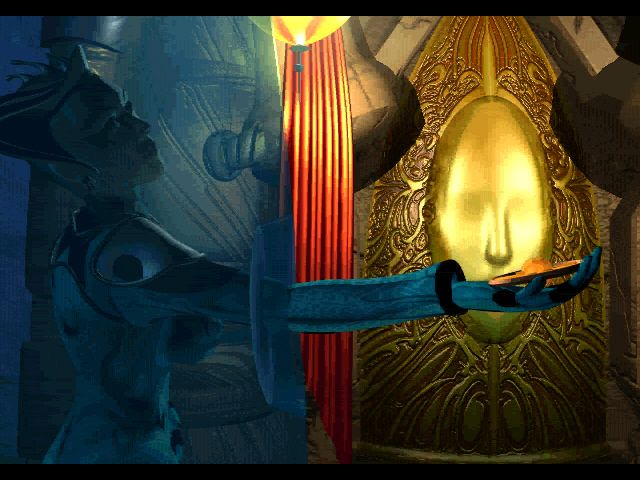
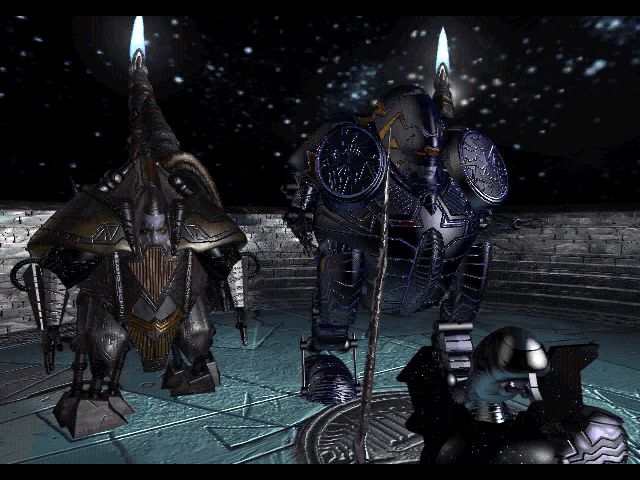
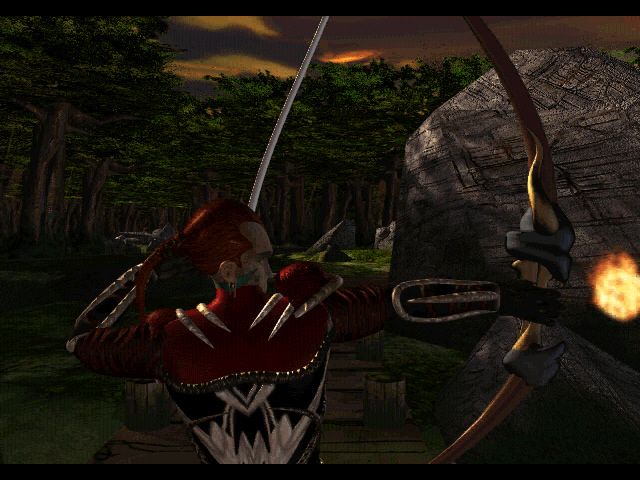
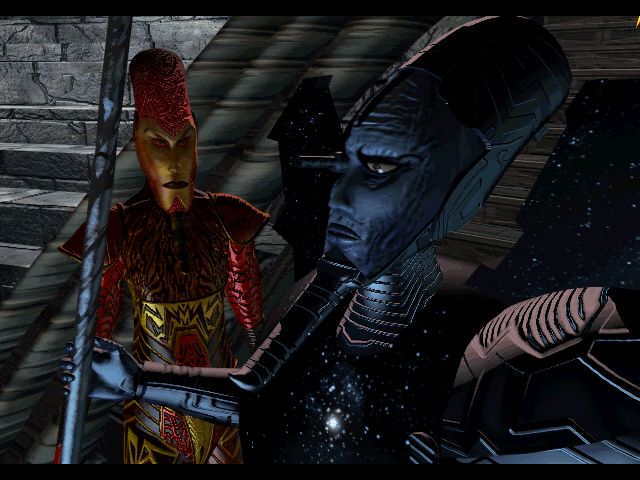
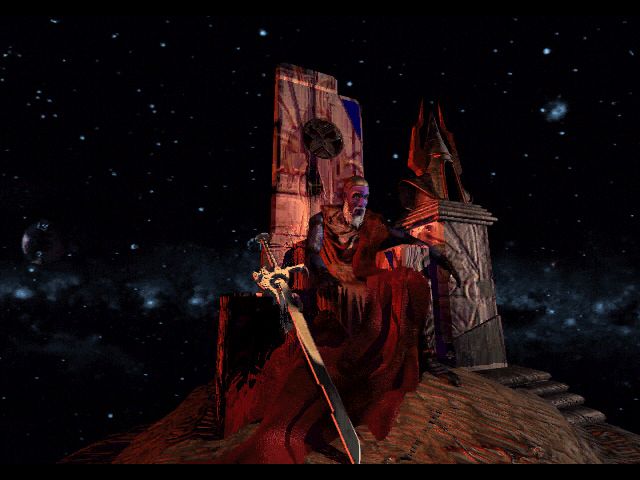
Visually, Ring transports players to a richly imagined 40th-century universe. The game’s 3D engine delivers crisp character models framed against vast cosmic backdrops, from neon-lit corridors of interplanetary citadels to the serene, starlit plains of forgotten worlds. Texture work on alien artifacts and the Ring itself is impressively detailed, lending real weight to the ancient relic you’re striving to reassemble.
Lighting and particle effects are used to great dramatic effect during key story beats. When a character sings an aria, spotlights flare and the environment pulses with ambient energy, reinforcing the operatic atmosphere. Explosions and power surges in combat scenarios boast dazzling light trails and debris physics that elevate otherwise routine skirmishes into set-piece spectacles.
The art direction embraces a retro-futuristic aesthetic that echoes classic sci-fi epics while maintaining its own identity. Architectural designs blend gothic arches with ultra-sleek metallic finishes, and each era of Wagner’s lore is represented by a distinct color palette and environmental motif. Even minor NPCs are furnished with bespoke animations and expressive faces, making every interaction feel alive.
While the graphics are ambitious, occasional frame rate dips occur in densely populated arenas, and shadow pop-in can be noticeable in some planetary vistas. However, these technical hiccups are rare and do little to detract from the overall visual spectacle. With support for widescreen and ultrawide monitors, Ring ensures you’ll experience the grandiosity of its settings in all their panoramic glory.
Story
At its core, Ring: The Legend of the Nibelungen reimagines Richard Wagner’s epic opera saga for a far-future audience. The narrative weaves mythic themes of power, greed, and redemption into a sprawling interstellar tapestry, with the fate of humanity hanging in the balance. As one of four protagonists—each representing a facet of Wagner’s legendary heroes—you bear the weight of concluding the Ring’s millennia-old curse.
Storytelling unfolds through a blend of cinematic cutscenes, in-engine dialogue, and interactive opera sequences. Major plot revelations are delivered in sung performances, complete with subtitles and orchestral accompaniment, heightening the emotional impact. Side missions flesh out supporting characters, illuminating hidden motivations behind each of the four evil powers you must vanquish.
The writing strikes a careful line between operatic grandiloquence and accessible sci-fi drama. Technical jargon, courtly rhetoric, and mythological allusions are ever-present, but the script provides enough contextual clues to keep newcomers engaged. Emotional stakes ramp up naturally as you piece together the Ring’s history, with each defeated power bringing you closer to a final confrontation that feels both personal and cosmic in scope.
Character arcs are well-defined: a disgraced starship captain seeking redemption, a transplanted Valkyrie torn between duty and love, and other archetypes reinterpreted within this futuristic opera. The interplay among these figures adds layers of dramatic tension, and the game’s branching dialogue choices allow you to shape alliances and rivalries that echo across the cosmos.
Overall Experience
Ring: The Legend of the Nibelungen delivers a one-of-a-kind adventure that marries classical opera with immersive sci-fi gameplay. Its ambitious narrative and rich audiovisual presentation set it apart from conventional point-and-click titles. For players drawn to mythic storytelling and atmospheric worlds, the game offers countless moments of awe and intrigue.
Although the operatic segments may feel niche to some, they are seamlessly integrated into the mechanics, rewarding those willing to embrace the dramatic flair. The balance between puzzle-solving, combat, and narrative keeps the experience fresh over its 20-hour runtime, with multiple character paths encouraging repeat playthroughs. Side content, including hidden arias and legendary artifact hunts, adds considerable replay value.
Technical polish is high, though minor performance drops and occasional pathfinding quirks surface in sprawling levels. These small imperfections are easy to overlook once you become engrossed in the unfolding saga of the Ring. The user interface remains intuitive throughout, with clear objectives and an in-game codex that catalogs lore, characters, and opera references.
Ultimately, Ring: The Legend of the Nibelungen is a bold experiment that succeeds more often than it stumbles. It asks players to embrace high art in a gaming context, and for those willing to heed its call, the result is an unforgettable journey across time, space, and myth. Whether you’re a longtime Wagner aficionado or a science fiction enthusiast seeking something different, Ring offers an operatic adventure unlike any other.


Reviews
There are no reviews yet.