 Retro Replay Retro Replay gaming reviews, news, emulation, geek stuff and more!

Retro Replay Review
Gameplay
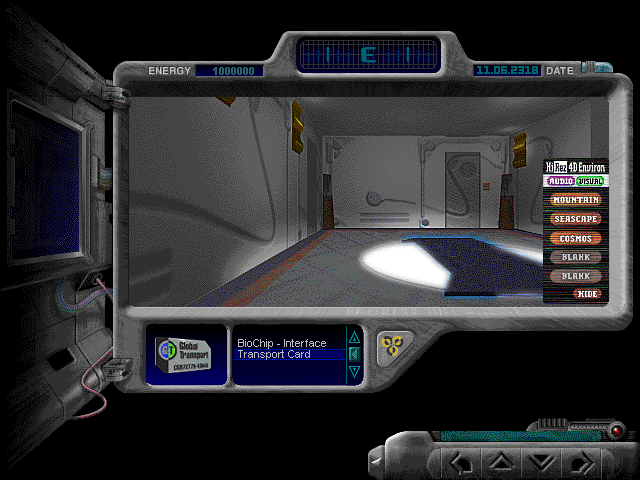
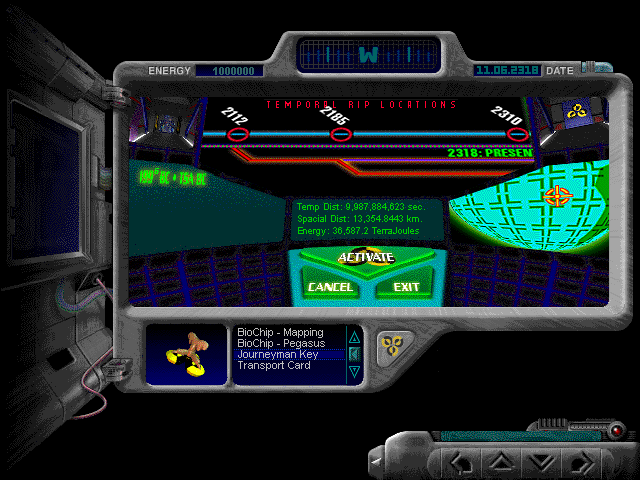
The Journeyman Project offers a first-person, point-and-click adventure that challenges players to navigate a complex time-travel narrative. As an agent of the Temporal Security Agency, you must investigate disturbances in history by operating the Pegasus time-travel machine. The interface is intuitive, with on-screen cursors for examining objects, moving through environments, and interacting with characters or devices. Although the learning curve can be steep for newcomers to the genre, the game’s logical progression and well-signposted objectives help you find your footing.
(HEY YOU!! We hope you enjoy! We try not to run ads. So basically, this is a very expensive hobby running this site. Please consider joining us for updates, forums, and more. Network w/ us to make some cash or friends while retro gaming, and you can win some free retro games for posting. Okay, carry on 👍)
Puzzle design is at the heart of the experience. You’ll encounter a variety of brain-teasers, from decoding alien inscriptions to repairing futuristic machinery. The game cleverly integrates these puzzles into its environments, making each solution feel organic rather than tacked on. In some cases, trial and error may be required, and backtracking can become a bit tedious—especially when you inadvertently overlook a key item early in the timeline. Still, the challenge is rewarding, and the sense of accomplishment when you crack a difficult conundrum is genuine.
The time-travel mechanic itself adds an extra layer of depth to the gameplay. You begin your mission in the year 2318, but you’ll soon venture from two million years BC up to far-flung futures. Each era comes with its own set of challenges, environmental hazards, and clues that tie back into the main narrative. Managing your timeline jumps and keeping track of cause-and-effect relationships is crucial. Fail to correct a historical anomaly, and you may find later segments inexplicably altered or blocked off, forcing you to retrace your steps.
Graphics
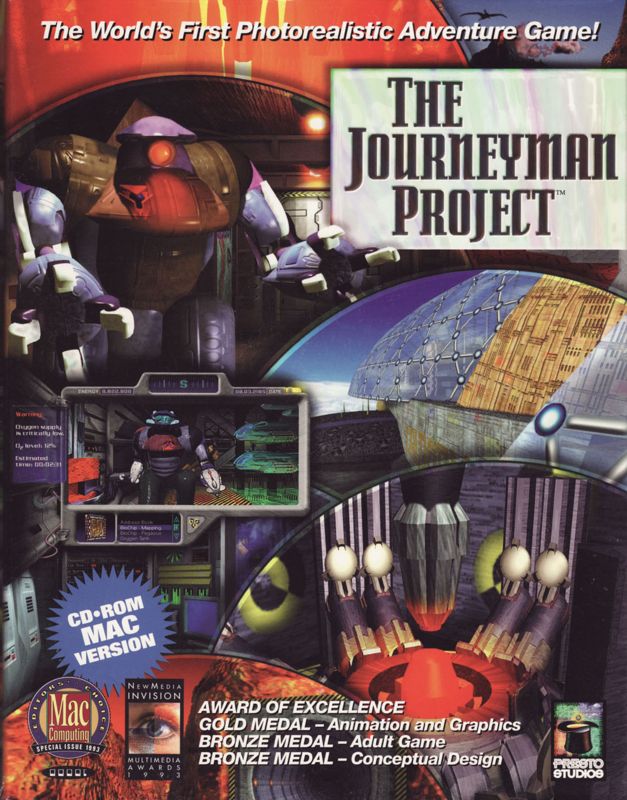
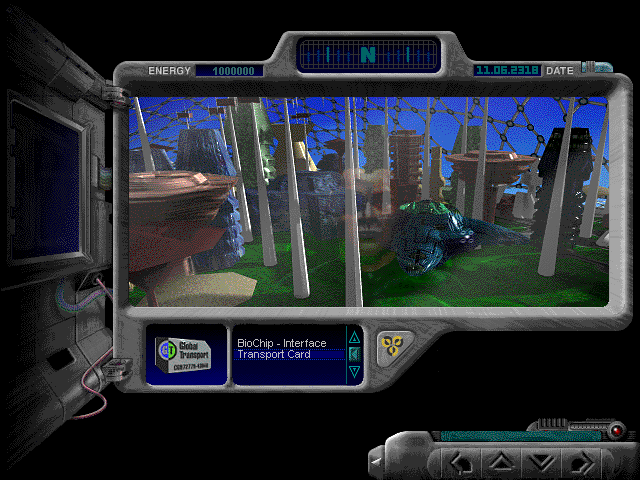
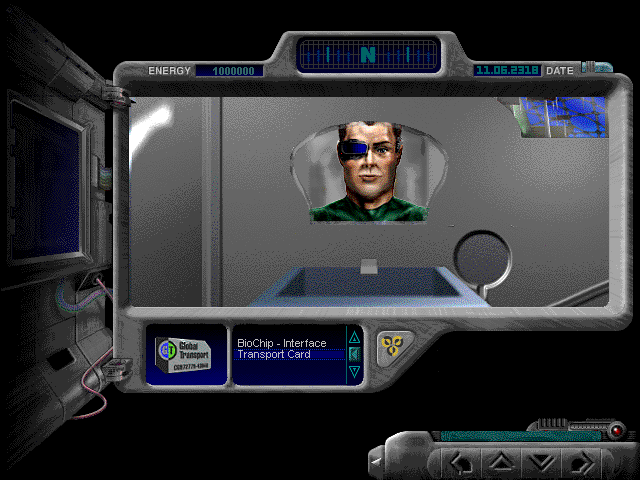
At its release, The Journeyman Project proudly advertised itself as the first truly photorealistic game. The development team used pre-rendered 3D environments based on live-action photographs and CGI models to produce crisp, immersive backdrops. Although modern audiences may find the visual fidelity dated, the game’s pioneering approach still holds a certain charm and showcases an ambitious leap forward for early ’90s adventure titles.
The Macintosh version boasts slightly better color depth and smoother transitions than the original PC port, which was plagued by palette issues and slower loading times. Those shortcomings were partially addressed in The Journeyman Project: Turbo! re-release, which features optimized graphics, faster rendering, and improved mouse responsiveness. Fans of retro gaming will appreciate the clean lines of each room, the fluid animations of aliens and gadgets, and the way light and shadow are employed to heighten atmosphere and suspense.
Despite static camera angles, the sense of immersion remains strong, thanks to the rich detail in each scene. Whether you’re exploring a prehistoric savannah or a sterile futuristic laboratory, every location brims with visual storytelling. Interactive objects are highlighted clearly against the backdrop, ensuring you rarely miss crucial items. And while pixelation is inevitable by today’s standards, the textures and color palettes were groundbreaking two decades ago—and still impress when viewed through the lens of gaming history.
Story
The narrative thrust of The Journeyman Project centers on an earth-shattering plot to sabotage humanity’s first peace treaty with the alien Symbiotry. As timeline tampering escalates, you learn that an unidentified saboteur is rewiring history, threatening to derail centuries of diplomatic progress. The overarching mystery—who is behind the chaos and why—unfolds gradually, keeping you intrigued across every chapter.
Storytelling is delivered through a mix of in-game dialogue, environmental clues, and briefings via video communication with your Temporal Security Agency colleagues. This patchwork style cultivates a sense of realism, as you piece together fragments of information much like a real investigator. Each successful mission jump reveals new facets of the conspiracy, from prehistoric atrocities to futuristic betrayals, ensuring the plot never becomes stale.
Characterization is relatively minimalist, but it works in service of the game’s focus on exploration and puzzle-solving. You’re rarely bogged down by superfluous subplots or unnecessary emotional arcs. Instead, the tension derives from high stakes and constant uncertainty: if you fail, humanity’s future is at risk. The story’s pacing is deliberate, allowing you to chew over each twist before the next revelation—but expect moments where the narrative slowdown feels more like a puzzle grind than intentional suspense-building.
Overall Experience
The Journeyman Project occupies a special niche in adventure game history, marrying ambitious storytelling with cutting-edge visuals of its time. It paved the way for more cinematic puzzle adventures and demonstrated the creative potential of interactive time travel. While some mechanics feel laborious by today’s standards, the core experience remains engaging for players who appreciate thoughtful puzzles and intricate narratives.
If you’re exploring this title for the first time, consider hunting down The Journeyman Project: Turbo! version for the smoothest performance on modern machines. The improved rendering and faster load times breathe new life into the game, making it easier to focus on unraveling its mysteries. Even with a few dated design choices, Turbo! stands as the definitive edition for enthusiasts and newcomers alike.
Ultimately, The Journeyman Project is a must-play for fans of classic adventure games and anyone fascinated by time-travel storytelling. It may not hold your hand through every puzzle, but the satisfaction of piecing together history and foiling intertemporal sabotage is unparalleled. Whether you’re a retro gamer seeking an iconic experience or a newcomer curious about gaming’s evolution, your journey through time with Agent Gage awaits.



Reviews
There are no reviews yet.