 Retro Replay Retro Replay gaming reviews, news, emulation, geek stuff and more!

Retro Replay Review
Gameplay
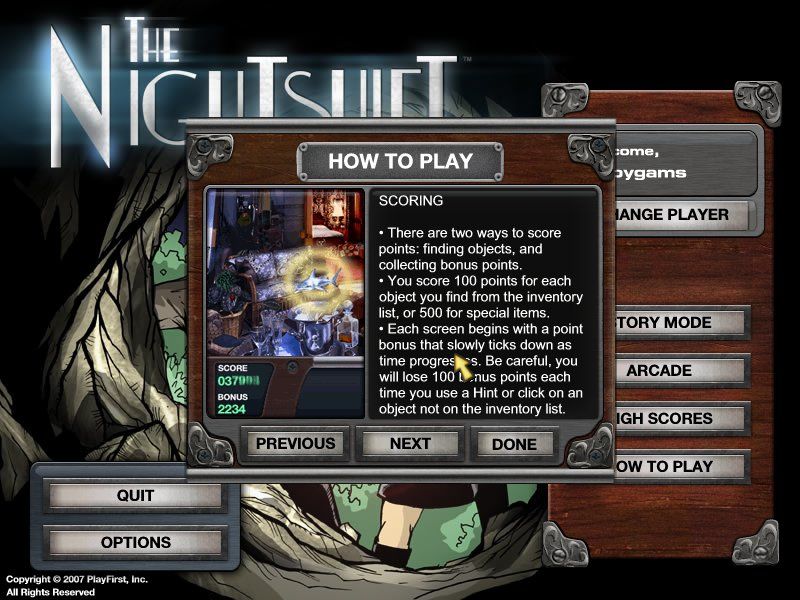
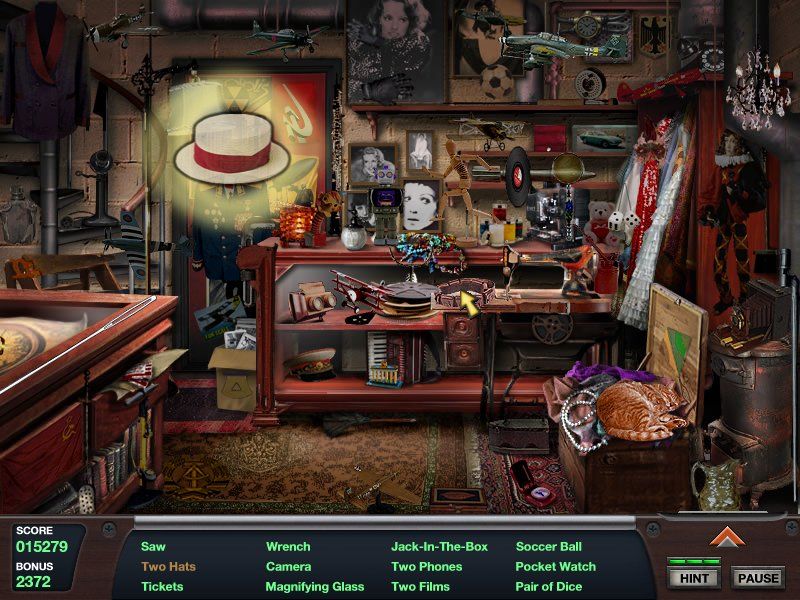
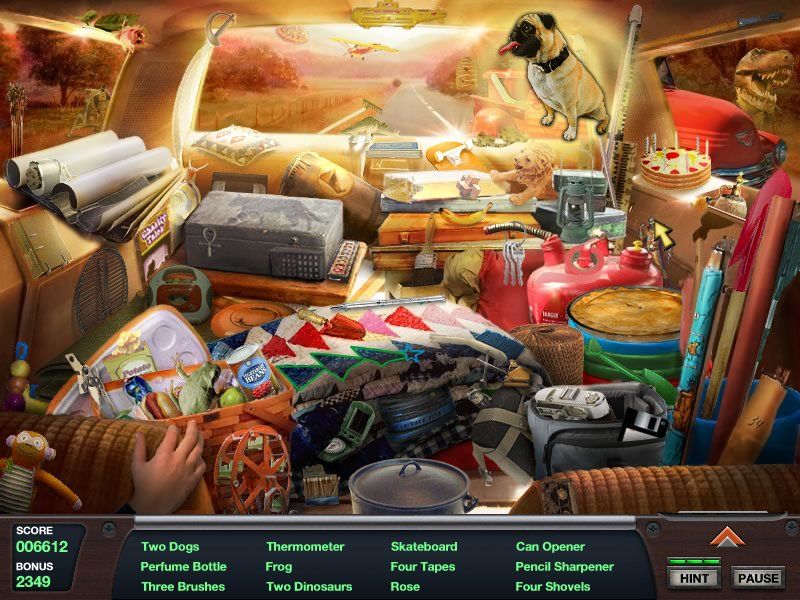
The Nightshift Code presents a classic hidden object framework, tasking players with locating items from a list scattered across richly detailed scenes. As soon as each screen loads, a bonus points counter in the bottom-left corner begins to tick down, creating a sense of urgency that rewards swift and accurate searching. Misclicks also incur point penalties, and should the counter reach zero before all items are found, the chapter resets—reinstating both the hidden objects and any accompanying puzzle challenges.
(HEY YOU!! We hope you enjoy! We try not to run ads. So basically, this is a very expensive hobby running this site. Please consider joining us for updates, forums, and more. Network w/ us to make some cash or friends while retro gaming, and you can win some free retro games for posting. Okay, carry on 👍)
In addition to the standard single-screen search, many levels feature a multi-scene scavenger hunt. Players receive a master list of items that span several interconnected locations, which they can traverse using a navigator tool docked in the bottom-right corner. This navigation pane streamlines back-and-forth movement and prevents tedious zone-hopping, keeping the gameplay flow steady while still demanding thorough exploration of each scene.
Between every chapter’s search screens lie two distinct puzzles: the logoscope and the cryptogram. The logoscope puzzle confronts players with two sets of clues that must be cross-referenced to decode a series of symbols, which are then placed into labeled slots around the puzzle board. Incorrect placements are instantly rejected, encouraging logical deduction. The cryptogram replaces letters with small objects, challenging players to slot each item into lettered bins until the hidden message emerges. These puzzles break up the hidden object segments and introduce a satisfying change of pace.
Graphics
The Nightshift Code showcases meticulously crafted, cluttered environments that feel both lived-in and mysterious. Each scene brims with dynamic details—from flickering neon signage to piles of abandoned tools—inviting close inspection without ever feeling visually overwhelming. The artwork strikes a balance between realism and stylization, ensuring items blend naturally yet remain distinguishable once located.
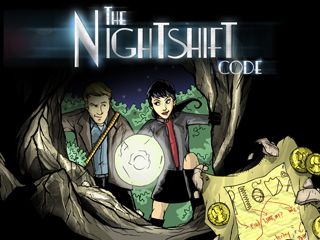
Story mode is adorned with comic book–style interludes that frame each chapter’s narrative beats. These illustrated panels feature bold lines, dramatic shading, and onomatopoeic flourishes that evoke the mood of a midnight mystery. They not only convey plot developments but also serve as visual palate cleansers, offering a momentary break from the intricacy of the hidden object screens.
User interface elements—such as the bonus points timer, misclick penalty indicator, and navigator window—are cleanly integrated into the game’s visual design. The logoscope and cryptogram puzzles adopt a similarly coherent aesthetic, with uncluttered layouts, readable fonts for clue text, and smooth animation cues when items are correctly placed. Overall, the graphical presentation maintains clarity without sacrificing atmosphere.
Story
In Story mode, The Nightshift Code spins a narrative about a nocturnal investigator unraveling a secret society’s coded messages. Rather than lengthy cutscenes, the plot unfolds through succinct comic panels that link hidden object searches to the unfolding mystery. These vignettes drip-feed tidbits of lore, character interactions, and looming threats—motivating players to push deeper into the shadows to learn what comes next.
Each comic interlude is cleverly timed before and after pivotal scenes, ensuring that gameplay momentum isn’t interrupted by extraneous exposition. Instead, story beats dovetail neatly with puzzle challenges: uncovering a secret object might unlock a new cryptogram hint, or solving the logoscope puzzle might advance a dialogue exchange. This synergy maintains narrative tension and keeps players invested in both finding items and cracking codes.
For those who prefer pure gameplay over storyline, Arcade mode strips the plot panels away and replaces the bonus points meter with a pure timer. The goal shifts to completing each hidden object screen and puzzle as quickly as possible, turning the game into a lean speedrun experience. While less immersive narrative-wise, Arcade mode offers a replayable, high-intensity variant for players who thrive on beating personal bests.
Overall Experience
The Nightshift Code offers a compelling blend of hidden object hunts and logic-driven puzzles that will appeal to both casual gamers and dedicated enthusiasts of the genre. The dual modes—Story and Arcade—cater to different playstyles, allowing newcomers to enjoy the unfolding mystery while offering veterans a pure time-attack challenge. The inclusion of multi-scene scavenger hunts and a handy navigator tool reduces unnecessary backtracking, keeping each session smooth and engaging.
Visual and narrative design work hand in hand to craft an atmospheric late-night vibe. Scenes are richly detailed without feeling cluttered to the point of frustration, and the comic book panels inject personality and context without bogging down the pace. Puzzle segments diversify the gameplay, ensuring that players aren’t simply clicking through screens but are actively working to decode symbols and messages.
Overall, The Nightshift Code stands out as a well-rounded hidden object title that balances challenge, aesthetic appeal, and story progression. Whether you’re drawn in by the mystery, driven to optimize your completion times, or simply seeking a visually engaging puzzle romp, this game offers enough variety and polish to keep you immersed long after the sun comes up.


Reviews
There are no reviews yet.