 Retro Replay Retro Replay gaming reviews, news, emulation, geek stuff and more!
Retro Replay Review
Gameplay
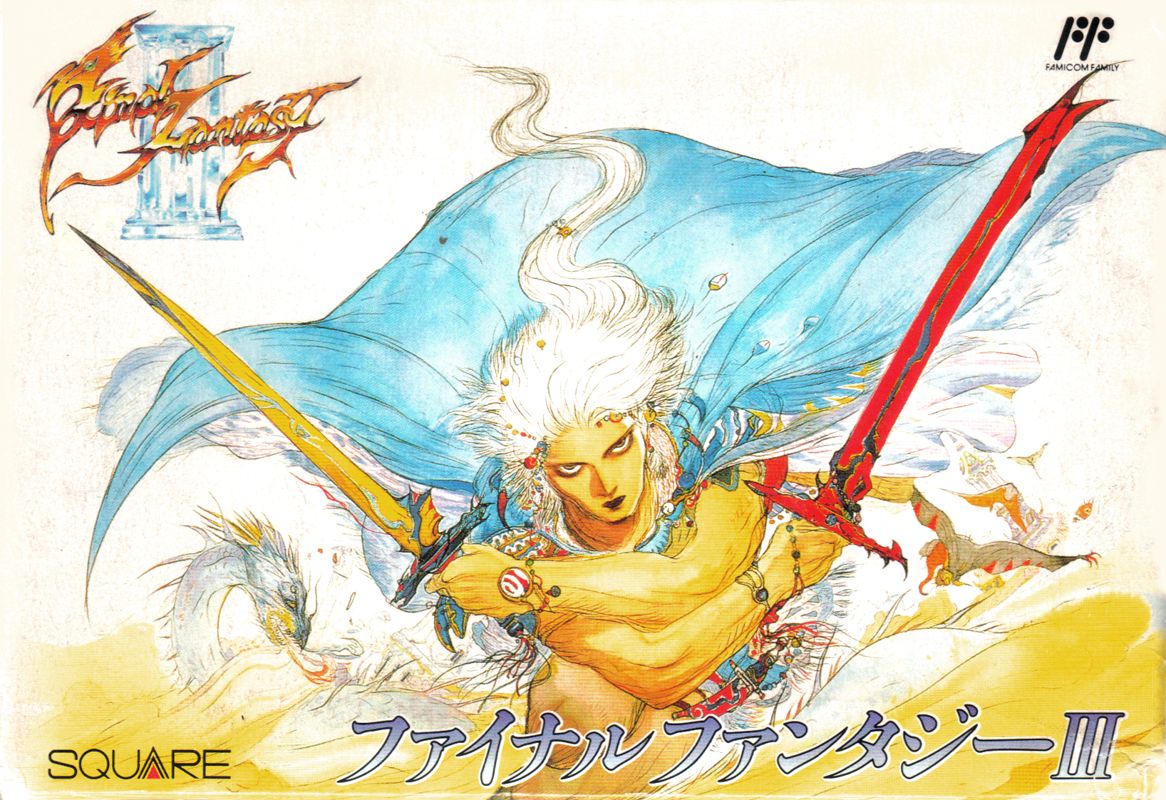
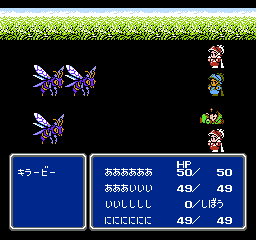
Final Fantasy III builds on the classic top‐down RPG formula that defined the early entries in the series, offering a refined turn‐based battle engine on the NES. Battles remain random encounters on the overworld and within dungeons, but the pacing feels smoother thanks to automatic target switching: once an enemy is defeated, your character seamlessly moves on to the next foe instead of executing a wasted attack. This small change alone saves numerous button presses and keeps the action flowing, preventing combat from feeling repetitive.
(HEY YOU!! We hope you enjoy! We try not to run ads. So basically, this is a very expensive hobby running this site. Please consider joining us for updates, forums, and more. Network w/ us to make some cash or friends while retro gaming, and you can win some free retro games for posting. Okay, carry on 👍)
The job system is the heart of Final Fantasy III’s gameplay depth. Starting as Onion Kids—nearly identical sprites differentiated only by color—you soon unlock a variety of jobs, from Fighters and Black Mages to Shamans and Vikings. Each job has its own strengths, weaknesses, equipment compatibility, and special abilities. As battles yield Capacity Points (CP), you channel them into new jobs, allowing your party to evolve in dynamic ways. Switching classes mid‐game encourages experimentation; you might favor a high‐damage White Mage for boss fights, then swap to Thief or Ninja for quicker exploration.
Exploration remains rewarding, with an interconnected world map peppered with villages, caves, and hidden treasures. Towns serve as hubs for equipment upgrades, inns, and plot progression, while labyrinthine dungeons challenge you with puzzles, traps, and formidable bosses. The balance between resource management—heal spells, scarce items, and equipment durability—and the thrill of stumbling upon secret passages or rare loot keeps the experience engaging from start to finish.
While the difficulty curve can spike unexpectedly—particularly in later dungeons—the ability to recalibrate your party’s job setup offers a mitigating strategy. Grinding for CP becomes a calculated choice: do you power‐level your current setup or diversify across multiple classes to prepare for looming encounters? This strategic layer, combined with the snappy, refined combat engine, cements Final Fantasy III as a standout gameplay experience in the NES library.
Graphics
Given the hardware limitations of the NES, Final Fantasy III delivers surprisingly detailed visuals with its 8‐bit palette. Character sprites are small but expressive, and the job changes are immediately visible through distinct color schemes and iconography. Although every Onion Kid begins as a simple stick‐figure design, each subsequent job transformation brings new attire, weapons, and magical effects, making each class switch feel significant and visually satisfying.
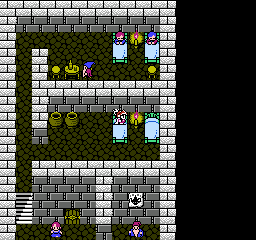
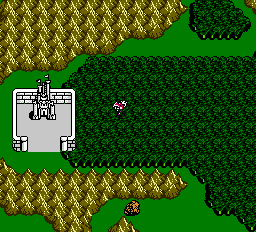
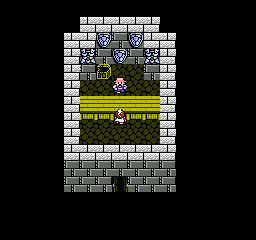
Environmental design follows the series’ tradition of clear, legible tilesets. Towns are instantly recognizable by their rooftops and signposts, while dungeons employ darker tones and repeating motifs to evoke claustrophobia and tension. The overhead world map is equally effective, blending forests, mountains, and rivers into a coherent whole that beckons you toward new horizons. Even minor details, such as shimmering water tiles or the flicker of torchlight in caves, add depth without overtaxing the system.
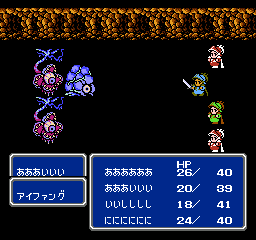
Battle animations, though simple by today’s standards, are brisk and functional. Spells and special abilities are accompanied by brief, colorful sequences—fireballs erupt in bright oranges and reds, while holy spells radiate a gentle glow. Enemy designs vary from classic slimes to larger monsters and made‐for‐the‐screen boss sprites. Each encounter feels distinct, in part due to the limited yet well‐executed animation frames.
While the visuals can feel dated compared to later 16‐bit and modern remakes, they possess a timeless charm that resonates with longtime fans. The simplicity of the pixel art fosters clarity in crowded battles and labyrinthine dungeons, ensuring you always know where your characters stand and which direction to head next. For collectors of retro aesthetics, Final Fantasy III’s graphics remain a testament to creative design under constraints.
Story
The narrative commences in the humble village of Ur, where four orphaned boys live under the care of the kindly priest Topapa. When the Crystal of Wind mysteriously descends into the earth, the boys volunteer to retrieve it from a dark cavern. This simple setup belies the epic journey that awaits—a world on the brink of destruction and heroes chosen by ancient elemental crystals.
Upon touching the crystal, the boys learn they are destined for a “much more important and world‐embracing mission.” From here, the journey spans airships, elemental temples, and distant kingdoms, each tied to a different crystal: fire, earth, water, and beyond. The story unfolds through brief NPC dialogues and interlude scenes, weaving together themes of destiny, sacrifice, and camaraderie. Though minimalistic, the narrative gives each mission purpose and stakes that grow increasingly dire.
Final Fantasy III excels at delivering memorable set‐piece moments. Rescuing a besieged kingdom, facing off against towering guardians, or vanquishing an ancient evil all feel earned through your party’s evolving skills and your mastery of the job system. Character development is subtle—no lengthy cutscenes or voiced monologues—but the shared trials of the orphan boys foster an implicit bond that carries emotional weight, especially during climactic encounters.
While the story’s linear progression offers little in the way of branching paths, its straightforward approach suits the hardware and era. Each new crystal recovered reveals more of the world’s lore, and side quests pepper the adventure with small rewards and world‐building. For players seeking a classic fairy‐tale epic infused with touches of mystery and elemental magic, Final Fantasy III delivers a compelling narrative wrapped in accessible storytelling.
Overall Experience
Final Fantasy III on the NES stands as a milestone in the Evolution of the series. It bridges the simplicity of early entries with the deeper systems that would define later titles. The refined turn‐based engine and job system lay the groundwork for countless series staples, making it a must‐play for fans interested in the franchise’s roots.
The balance of exploration, customization, and strategic combat creates an experience that remains engaging over its 20‐plus hours of gameplay. While the graphics and sound are constrained by the NES’s capabilities, the game’s design decisions ensure clarity and charm rather than frustration. Nostalgic players will appreciate the authentic 8‐bit presentation, while newcomers can still find depth in the underlying mechanics.
Some modern players may find the absence of quality-of-life features—such as ATB battles or auto-saves—challenging, but those invested in retro RPGs will view these as part of the appeal. The difficulty can be balanced by thoughtful job selection and occasional grinding, rewarding patience and experimentation. The sense of accomplishment after a hard-fought boss fight or the unraveling of a new dungeon’s secrets remains as satisfying today as it was at release.
In sum, Final Fantasy III offers a rich, foundational RPG experience that continues to influence modern designs. Its combination of solid gameplay systems, evocative storytelling, and timeless pixel art makes it a worthwhile journey for collectors, series aficionados, and anyone curious about the origins of one of gaming’s most legendary franchises.


Reviews
There are no reviews yet.