 Retro Replay Retro Replay gaming reviews, news, emulation, geek stuff and more!
Retro Replay Review
Gameplay
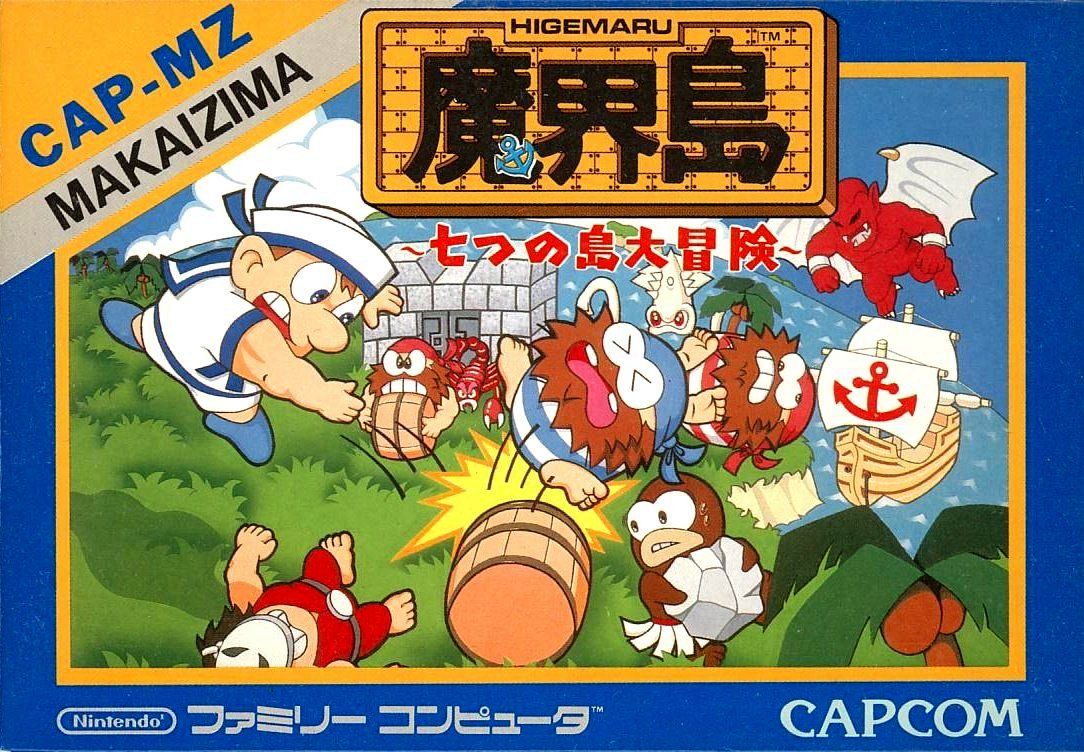
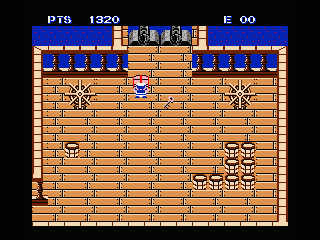
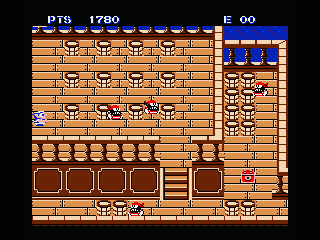
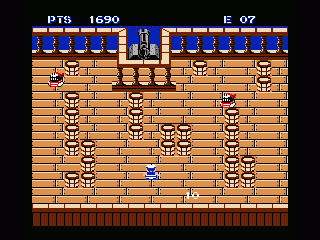
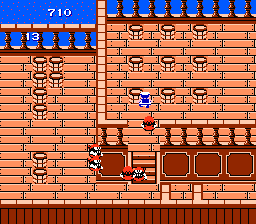
Higemaru Makaijima weaves together a two‐phase gameplay loop that feels both familiar and refreshingly new. In the first phase, you captain Momotaru’s ship across the open sea in search of rival pirate vessels. Once a ship is located, you leap into the classic action mechanics of Pirate Ship Higemaru, battling through deck layouts filled with barrels and enemy crewmen. These sequences are brisk and strategic, as you must deftly dodge attacks, toss barrels, and carve a path to the ship captain. Defeating the captain yields a key, unlocking access to one of the seven islands that dot the game’s map.
(HEY YOU!! We hope you enjoy! We try not to run ads. So basically, this is a very expensive hobby running this site. Please consider joining us for updates, forums, and more. Network w/ us to make some cash or friends while retro gaming, and you can win some free retro games for posting. Okay, carry on 👍)
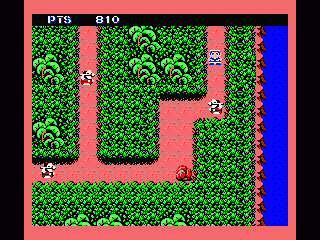
The second phase transports Momotaru onto each island, where exploration and combat take center stage. Each island is a compact labyrinth teeming with hostile creatures—giant crabs, skeletons, and demon‐tipped fauna—that require well‐timed throws of rocks, barrels, or other contextual projectiles. Searching for the island boss becomes a satisfying hunt, as you navigate caves, shrines, and forested clearings in pursuit of your ultimate goal: the island’s hidden treasure. Once you topple the boss, you secure the loot and sail away, ready to confront the next pirate captain.
What makes this loop compelling is its seamless combination of arcade‐style action with light puzzle elements. Barrel placement on ship decks forms ever‐changing maze patterns, forcing you to think two or three moves ahead. On islands, terrain features like ledges and narrow corridors create chokepoints that can either trap you or help you turn the tide against waves of enemies. The constant back‐and‐forth between sailing, ship decks, and island environments keeps the pacing brisk and ensures that no two stages feel identical.
Moreover, difficulty ramps at an engaging pace. Early ships and islands serve as an approachable tutorial, but by the fourth or fifth island, you’ll need deft timing and strategic barrel throws to survive boss encounters. This escalation makes each victory feel earned and energizes the drive to unlock the final islands. The game’s compact size and clear progression also make it ideal for quick pick‐up‐and‐play sessions, while still offering enough depth to reward repeated playthroughs.
Graphics
Higemaru Makaijima embraces the vibrant, colorful aesthetic of late‐Era Famicom titles, delivering crisp sprites and richly detailed backgrounds. Each island boasts its own visual identity—lush jungles draped in emerald foliage, arid volcanic grounds bleached in ochre tones, and gloomy caverns lit by phosphorescent fungi. These varied palettes not only reinforce the sense of distinct locales but also aid gameplay by making interactive objects and hazards stand out clearly against their surroundings.
The ship deck stages evoke nostalgia for the original Pirate Ship Higemaru, with stout barrel graphics and jaunty pirate designs that pop against the deck’s wooden planks. Animations are fluid within the system’s constraints: Momotaru’s running, barrel‐lifting, and throwing motions all convey a satisfying weight, and enemy reactions—flinches, spin‐outs, and exploding barrels—land with cartoonish flair. Even the simpler enemy types receive expressive frames that lend them personality beyond mere cannon fodder.
Environmental effects are handled with delightful touches. Waves gently lap at your vessel’s hull during the sailing sequences, and the sky cycles between bright midday and moody sunset hues as you progress through your quest. Particle effects for explosions and rock throws feel punchy, giving each hit a tangible punch. While there’s no dramatic use of sprite scaling or advanced graphical tricks, the game’s consistent art direction ensures a polished and cohesive look throughout.
Interface elements—such as Momotaru’s health bar, collected keys, and treasure tally—are laid out cleanly along the top of the screen, minimizing distraction from the action below. Sound design complements the visuals with jaunty sea‐shanty tunes and combat sound effects that underscore each throw and enemy defeat. Together, the audiovisual package remains one of the game’s strongest draws, especially for fans of classic arcade‐style presentation.
Story
At its core, Higemaru Makaijima presents a straightforward narrative: Momotaru, the plucky hero from Pirate Ship Higemaru, has caught wind of Baido’s legendary treasure hidden across seven mystic islands. Each island’s gate stands locked, its key jealously guarded by a different pirate captain. This simple “collect the key, claim the treasure” premise provides ample motivation for Momotaru’s globe‐trotting escapades and frames the game’s mission structure in a way that’s easy to follow.
What the story lacks in complexity, it makes up for in charm and consistency. Character art and in‐game text give brief but memorable introductions to each island boss and captain, adding personality to what could have been generic foes. There’s a sense of cheeky rivalry as Momotaru clashes with flamboyant pirates—each with a distinct theme or gimmick—before venturing ashore to face off against island guardians that range from ferocious beasts to malevolent spirits.
The narrative pacing aligns perfectly with the gameplay loop. Key retrieval scenes are short and snappy, allowing you to savor the triumph of victory without bogging down the action with protracted dialogue. Discovering each treasure hoard comes with a modest celebratory flourish, reinforcing the feeling of steady progression through Momotaru’s epic quest. By the time you approach the final island’s gate, the cumulative weight of past achievements lends genuine excitement to the climactic showdown.
While Higemaru Makaijima doesn’t delve into moral ambiguity or elaborate backstories, it never aspires to be a sprawling RPG epic. Instead, it keeps the focus tight on Momotaru’s piratey romp, embracing the simplicity of arcade‐style storytelling. Fans of lighthearted adventures and straightforward hero’s‐quest setups will appreciate the game’s brisk narrative pace and clear objectives.
Overall Experience
Higemaru Makaijima: Nanatsu no Shima Daibōken stands out as an expertly crafted blend of arcade action and light exploration. Its dual‐phase gameplay loop is easy to grasp but offers surprising depth through puzzle‐like barrel placements and island navigation challenges. Each victory—whether toppled pirate captain or defeated island boss—feels genuinely rewarding, encouraging you to press on until the final hidden treasure is claimed.
Graphically and sonically, the game captures the spirit of mid‐’80s Famicom titles, bathing players in vibrant pixel art and infectious sea shanties. The attention to environmental variety and smooth animations elevate what might otherwise be a standard fare of sprite‐based combat. The audio cues for barrel throws, enemy hits, and treasure unlocks tie the experience together in an audio‐visual package that still holds up for retro enthusiasts today.
Though its story is deliberately uncomplicated, this directness works in the game’s favor, keeping the pacing brisk and focused squarely on action. By shunning filler and lengthy exposition, Higemaru Makaijima ensures that every minute spent playing feels meaningful. The escalating difficulty curve provides a satisfying challenge, striking a fine balance between approachable fun and strategic depth.
For nostalgic fans of Pirate Ship Higemaru and newcomers seeking a concise yet engaging pirate adventure, Higemaru Makaijima delivers a memorable voyage. Its tight gameplay, colorful presentation, and steady sense of progression make it a standout title in the classic action‐adventure genre. Whether you’re charting the seas for the first time or reliving a beloved Famicom classic, this island‐hopping caper offers hours of barrel‐tossing excitement and treasure‐hunting thrills.


Reviews
There are no reviews yet.