 Retro Replay Retro Replay gaming reviews, news, emulation, geek stuff and more!
Retro Replay Review
Gameplay
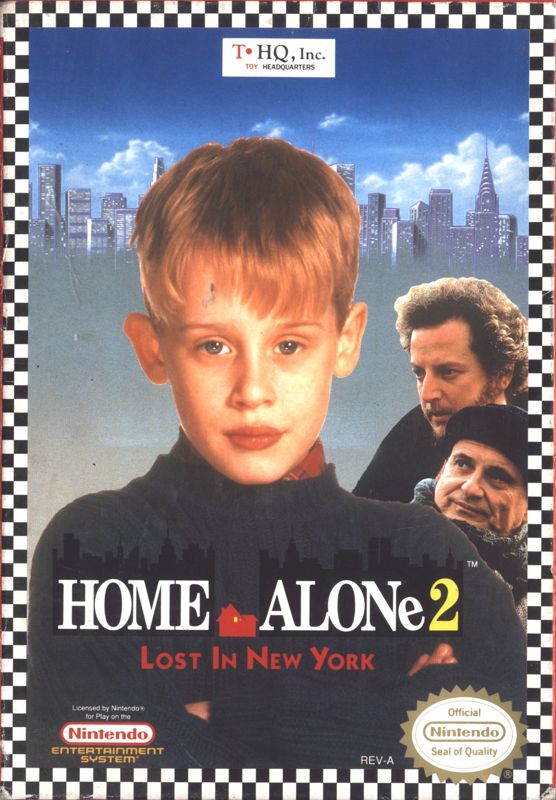
Home Alone 2: Lost in New York plays as a classic side‐scrolling platformer, casting you in the shoes of resourceful eight‐year‐old Kevin McCallister. You’ll guide Kevin through a series of recognizable New York City locales—from bustling hotel lobbies to snow‐covered parks—while avoiding detection by hotel staff and the bumbling burglars, Harry and Marv. The core challenge lies in timing your jumps, evading enemies, and making clever use of items strewn throughout each level.
(HEY YOU!! We hope you enjoy! We try not to run ads. So basically, this is a very expensive hobby running this site. Please consider joining us for updates, forums, and more. Network w/ us to make some cash or friends while retro gaming, and you can win some free retro games for posting. Okay, carry on 👍)
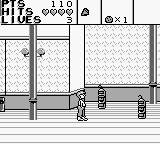
Throughout your adventure, you’ll collect a variety of weapons and power‐ups. Marbles, paint cans, and even holiday decorations become makeshift projectiles to slow down or incapacitate your pursuers. Health bonuses and extra lives are hidden in nooks and crannies, rewarding exploration and careful platforming. Lose all your health or get caught, and Kevin will lose a life—so keep an eye on your life count and health meter displayed at the top of the screen.
The controls are straightforward and responsive, with separate buttons for jumping and weapon usage. Kevin’s movements feel tight, which is crucial when navigating narrow platforms or making split‐second escapes. While the overall difficulty curve is gentle at first, later stages ramp up the challenge with faster enemies, trickier jumps, and more complex level layouts. This balance ensures both younger players and nostalgic adults can enjoy pacing themselves or pushing for a perfect run.
Graphics
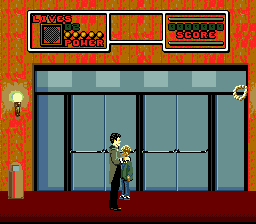
Visually, Home Alone 2 embraces the 16‐bit era’s charm with bright, cartoon‐inspired sprites that capture the playful spirit of the film. Kevin is instantly recognizable in his iconic winter coat and scarf, while Harry and Marv’s exaggerated expressions add comedic flair to each encounter. The environments—such as the ornate hotel lobby and Central Park’s icy pathways—feature colorful backgrounds and subtle animation, like flickering lights or drifting snowflakes.
Each stage is distinct, with detailed tile sets that differentiate city streets from indoor hotel corridors. Parallax scrolling in certain areas adds depth, making Kevin’s world feel more alive. Although the technical limitations of the era occasionally result in minor sprite flicker when too many objects appear onscreen, these instances are infrequent and do little to detract from the overall presentation.
The user interface is clear and unobtrusive, displaying Kevin’s health bar, remaining lives, and currently equipped weapon in concise, easy‐to‐read icons. Load times are minimal, allowing for quick retries after a misstep. For retro enthusiasts and newcomers alike, the game’s visual style holds nostalgic appeal while remaining crisp and colorful even by modern standards.
Story
Loosely based on the beloved film, the game’s narrative centers on Kevin McCallister accidentally jetting off to New York City alone. Upon discovering he’s booked into the Plaza Hotel with a stolen credit card, Kevin revels in newfound freedom—until hotel staff realize the error and give chase. This playful premise sets the stage for a series of platforming escapades across iconic city landmarks.
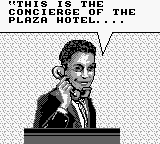
While the game doesn’t feature extensive cutscenes, it uses brief on‐screen text and simple character portraits to advance the plot. Each new level feels like the next bullet point in Kevin’s improvised vacation—sneaking through hotel corridors, exploring ice rinks, and ultimately confronting Harry and Marv in laughable boss battles. Fans of the movie will appreciate these nods, even if the storytelling remains light and action-focused.
The storyline serves primarily as loose scaffolding for the gameplay rather than an in‐depth narrative experience. Nevertheless, the inclusion of recurring film elements—like the Sticky Bandits’ goofy dialogue boxes and Kevin’s triumphant “gotcha” moments—preserves the franchise’s humor and charm. It’s a straightforward plot that keeps momentum high and players engaged from start to finish.
Overall Experience
Home Alone 2: Lost in New York delivers a nostalgic platforming adventure that captures the film’s mischievous spirit. Its blend of responsive controls, cleverly designed levels, and lighthearted encounters with Harry and Marv provides steady entertainment for a wide range of players. The learning curve is gentle enough for younger gamers but offers enough hidden items and secret paths to entice completionists.
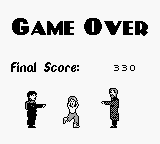
Replay value stems from attempting perfect runs, collecting every bonus, and mastering each trap. The game’s length is modest by modern standards, but the colorful settings, varied enemy types, and escalating challenges ensure that no two playthroughs feel exactly the same. Quick load times and a forgiving checkpoint system encourage you to dive back in after a game over.
Ultimately, Home Alone 2 stands as a charming example of licensed platformers done right. While it leans heavily on familiar tropes, its polished gameplay, vibrant graphics, and playful nods to the film make it a worthwhile experience for fans and retro platforming enthusiasts alike. If you’ve ever wanted to guide Kevin McCallister through a snow-laden New York escape, this title delivers warm holiday nostalgia wrapped in solid 16-bit action.


Reviews
There are no reviews yet.