 Retro Replay Retro Replay gaming reviews, news, emulation, geek stuff and more!
Retro Replay Review
Gameplay
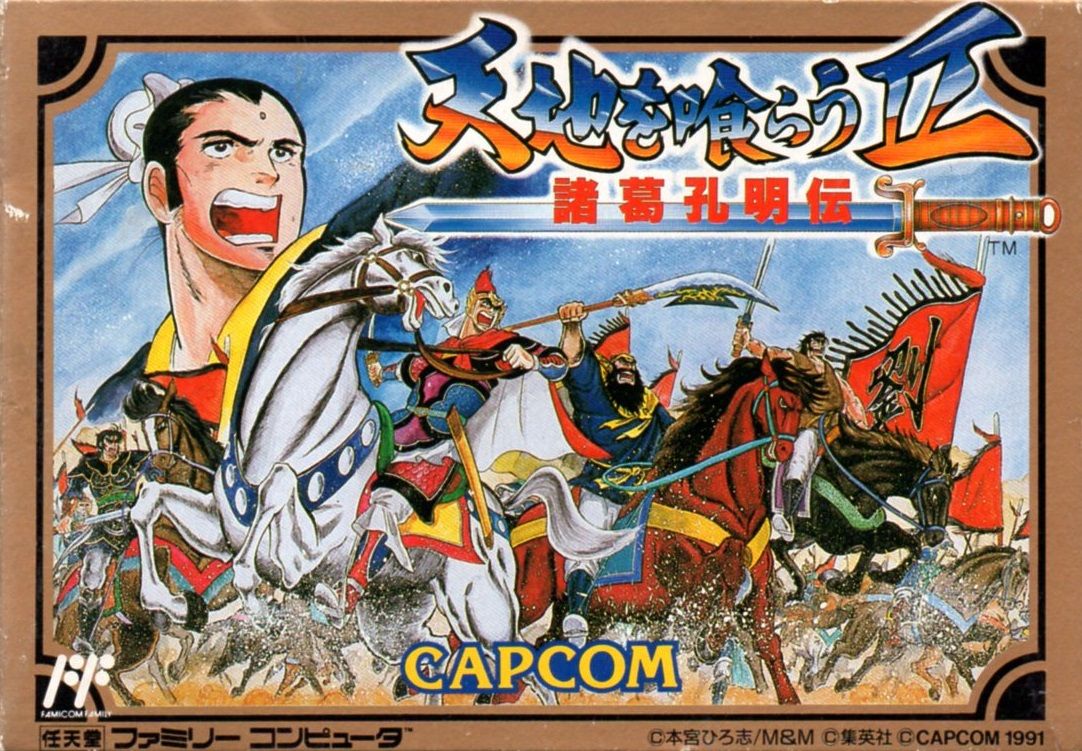
Tenchi o kurau II: Shokatsu Kōmei-den delivers a blend of tactical role-playing and strategic decision-making that keeps players engaged throughout its lengthy campaign. You begin your journey as Liu Bei, tasked with restoring the Han Dynasty’s honor after the imperial seal is stolen and Yuan Shu seizes power. Each mission unfolds on a grid-based map where careful positioning of your heroes—Liu Bei, Guan Yu, Zhang Fei, and later additions—can mean the difference between victory and defeat.
(HEY YOU!! We hope you enjoy! We try not to run ads. So basically, this is a very expensive hobby running this site. Please consider joining us for updates, forums, and more. Network w/ us to make some cash or friends while retro gaming, and you can win some free retro games for posting. Okay, carry on 👍)
Combat encounters are paced to encourage thoughtful planning rather than button mashing. Each character has unique strengths measured in the “thousands” of troops they command, reflecting their leadership and battlefield prowess. You’ll need to coordinate attacks, protect vulnerable units, and capitalize on enemy weaknesses. The game’s AI presents a steady ramp in difficulty; early battles serve as tutorials while later skirmishes force you to adapt and refine your tactics.
Beyond skirmishes, the title incorporates light resource management and dialogue choices that affect your alliances. Travelling through China, you’ll recruit historical figures whose loyalty and morale can shift based on your actions. This layer of strategic depth adds replay value: different recruitment paths and branching missions encourage multiple playthroughs to see the full scope of the narrative.
Graphics
For its era, Tenchi o kurau II boasts colorful, hand-drawn sprites that bring each hero and enemy to life. While the game’s visuals adhere to 16-bit limitations, the artists effectively convey the grandeur and scale of Three Kingdoms warfare. Character portraits during dialogue are expressive, giving emotional weight to each conversation and enhancing immersion in the story.
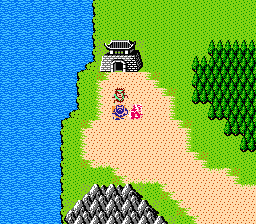
The battlefield maps are well-designed, featuring varied environments such as rolling plains, dense forests, and fortified cities. These backdrops aren’t mere window dressing; they inform your strategy by offering choke points or terrain bonuses that can turn battles in your favor. Animations for special attacks and skill activations remain charmingly fluid, with flashy effects that still impress despite the hardware constraints.
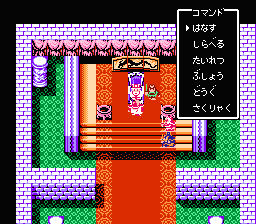
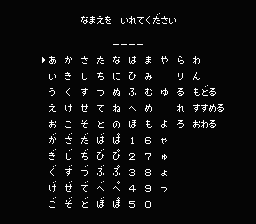
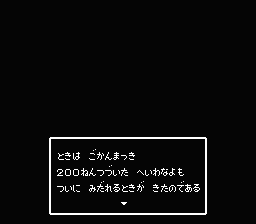
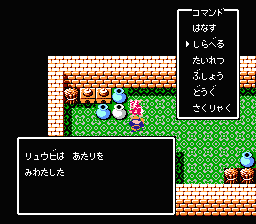
Cutscenes and in-game text are displayed cleanly, ensuring you don’t miss critical plot details. Menus and UI elements are intuitive, using clear icons and color-coding to highlight unit health and action readiness. While modern gamers might find the resolution low by today’s standards, there’s a nostalgic appeal in the pixel art that many retro enthusiasts will appreciate.
Story
Rooted in Hiroshi Motomiya’s manga adaptation of Luo Guanzhong’s Romance of the Three Kingdoms, the narrative faithfully follows the major historical events while weaving in dramatic character arcs. You witness Liu Bei’s rise from a fallen noble to a stalwart defender of the Han Empire. His oath of brotherhood with Guan Yu and Zhang Fei provides an emotional throughline, underscoring themes of loyalty and honor.
The plot moves at a steady clip, with major milestones from the novel—such as skirmishes with Yuan Shu, alliances with warlords, and the looming threat of Cao Cao—portrayed in missions and dramatized dialogues. Key figures like Zhuge Liang and Cao Cao himself appear at pivotal moments, offering strategic counsel or challenging you to decisive battles. These encounters feel weighty because they mirror the epic scope of the source material.
Though the game condenses some events for playability, it retains enough historical context to educate players on the era’s power struggles. Side missions and optional recruitment quests expand on lesser-known heroes, providing extra layers to the overarching narrative. This balance of history and legend makes Tenchi o kurau II appealing both to fans of tactical RPGs and to enthusiasts of Chinese historical epics.
Overall Experience
Tenchi o kurau II: Shokatsu Kōmei-den stands out as a robust tactical RPG that marries strategic depth with an evocative historical tale. The challenge curve is well-tuned: beginners can grasp the basics quickly, while veterans will find late-game battles demanding and rewarding. Recruitment and character development systems add a personalized touch to your playthrough, ensuring no two campaigns feel identical.
The game’s pacing strikes a fine balance between story segments and combat missions, preventing fatigue from long stretches of either type. Occasional resource-management decisions and dialogue choices further break up the action, fostering a sense of agency over the narrative flow. Even after dozens of hours, there’s a satisfying progression as you witness Liu Bei’s transformation from an exiled noble to a revered leader.
While modern titles may boast high-definition graphics and cinematic cutscenes, Tenchi o kurau II’s retro charm lies in its simplicity and focus on core gameplay mechanics. For fans of Romance of the Three Kingdoms, it offers a hands-on way to experience pivotal historical events. For strategy RPG enthusiasts, it provides a compelling blend of tactics, story, and character interaction that remains engaging decades after its original release.


Reviews
There are no reviews yet.