 Retro Replay Retro Gaming History, Reviews & Emulation
Retro Replay Review
Gameplay
The first hour makes a strong case for Code of Princess as a button-mashing brawler with more going on under the hood. Every stage gets to the point: defeat a wave, save someone, survive, or focus down a boss while lesser enemies try to pull your attention away. These compact missions suit the game well. You can jump in, make progress, earn another level, and move on before the basic structure grows stale.
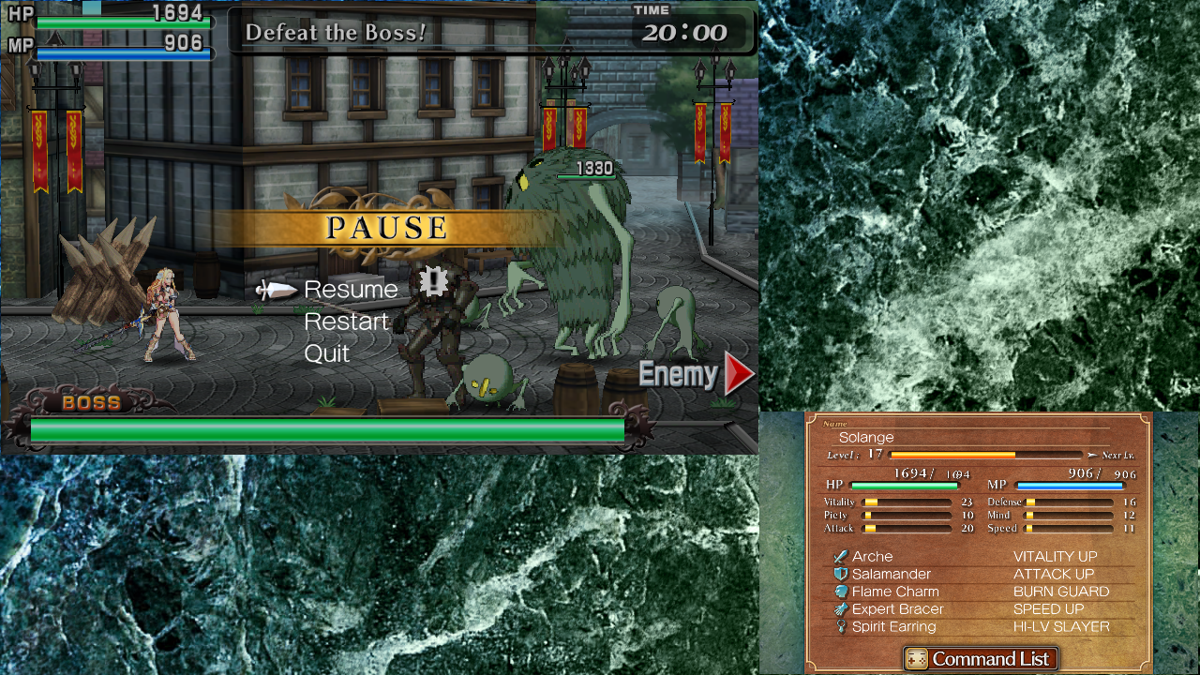
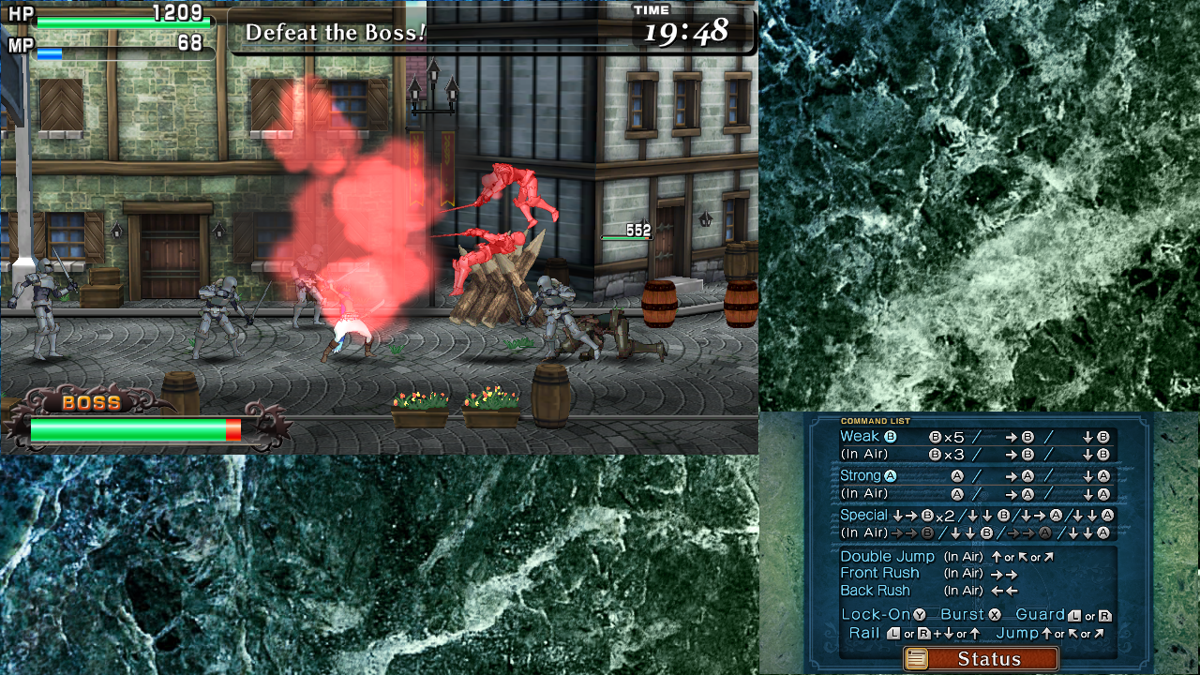
Combat becomes more satisfying once you stop treating it like a flat beat-’em-up. Moving between two to four planes matters, both for escaping a crowded line of enemies and for getting into position. Fighting-game-style directional inputs add a welcome layer to each character’s move set, and lock-on plus Burst creates a clear high-damage option when a dangerous target needs to disappear. Burst draining magic keeps that power from becoming a thoughtless default, even if the surrounding melee can still get hectic.
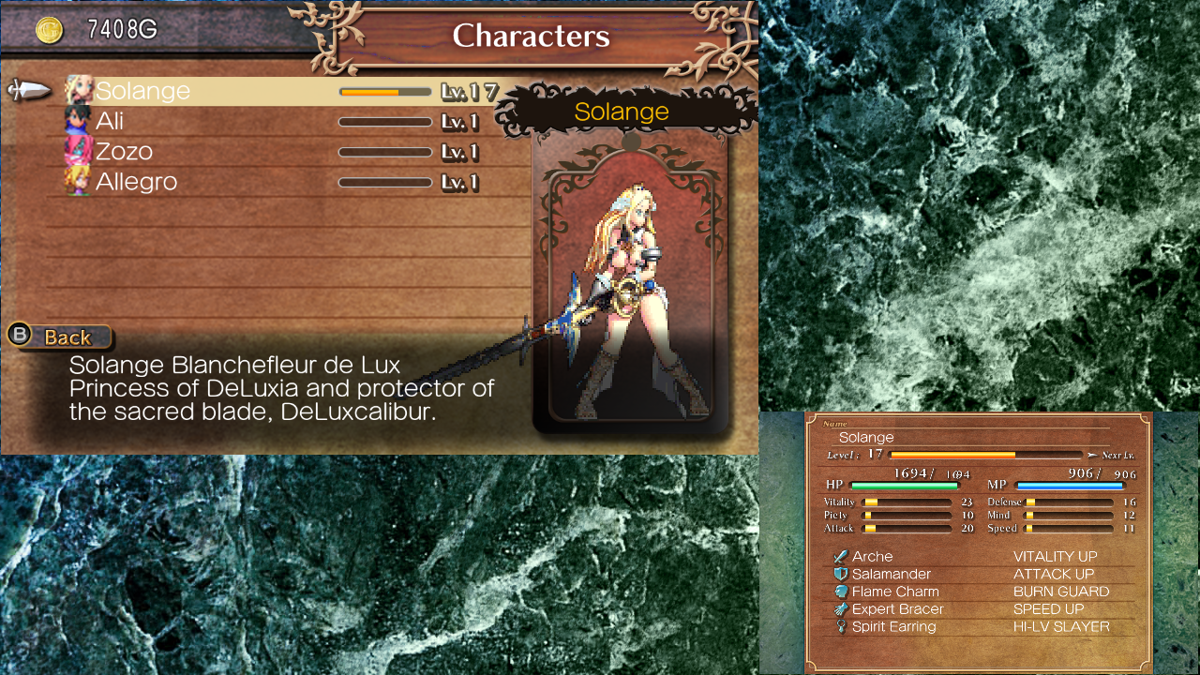
The cast is the reason to stick around. Solange is slow but strong, while other story characters lean faster or more heavily toward magic, and they all level separately. Assigning points across life, magic, attack, defense, magic strength, and speed lets you reinforce a favorite fighter’s strengths or patch a weakness. Free Play is handy for replaying missions without sitting through the dialogue again. Bonus missions are a tougher proposition: their extra twists and harder rematches are rewarding when you enjoy replaying and leveling, but they can feel like a wall if you only wanted a breezy run through the story.
Graphics
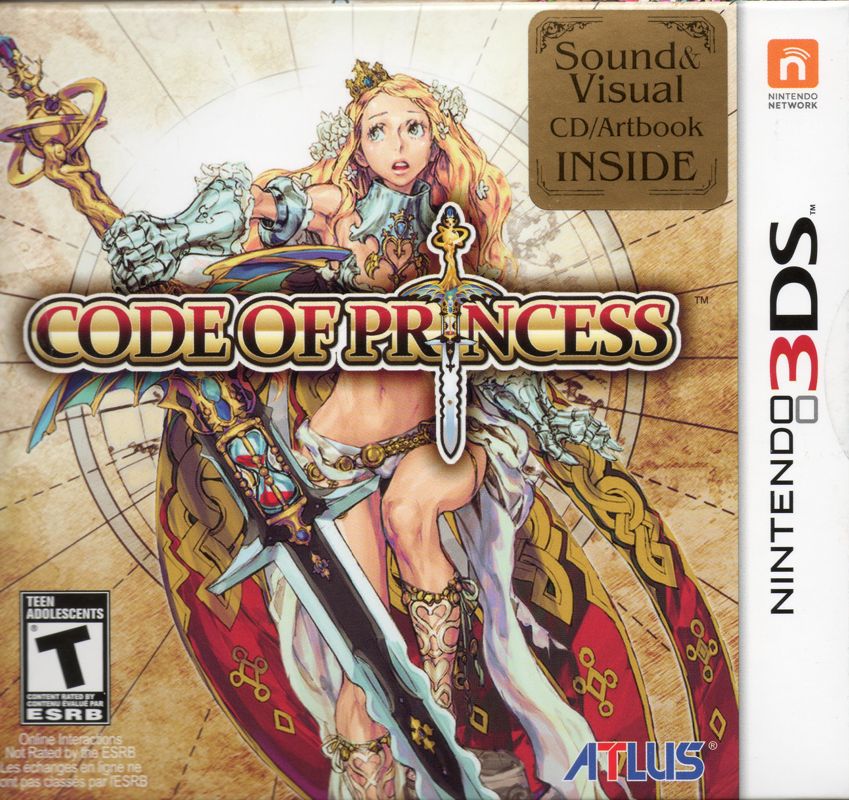
The game uses a side-on view with several depth lanes, so fights play out like an anime brawl spread across a narrow 3D strip rather than a single flat line. Solange’s oversized sword and the large enemy roster give the action a deliberately exaggerated cartoon look, from basic soldiers to dragons and bosses.
Story
This is knowingly broad anime fantasy: a princess, a kingdom overrun by monsters, a sacred sword, and a mismatched group joining the fight. Solange remains the center of it, and the plot’s job is mostly to move her from one monster problem to the next. If you want intricate fantasy writing, this will not be the draw.
What helps is the game’s comedy and the variety of personalities brought into Solange’s orbit. The party gives the campaign a lighter, more rambunctious tone than the basic save-the-kingdom outline suggests. It is a story built to keep the next fight coming, not to demand close study.
The bonus missions do more than pad out the mission list, occasionally adding parallel material or revisiting a boss under nastier conditions. That structure gives invested players a little more context while still keeping the combat front and center. For game-specific background and release history, see Code of Princess on Wikipedia.
Overall Experience
Code of Princess is at its best when you embrace it as a scrappy, eccentric action RPG rather than expect a polished epic. Its stages are brisk, its character builds offer enough room to experiment, and the combat has a fun tactical wrinkle in lane movement and target priority. You will get more out of it by rotating through the playable cast instead of treating Solange as the only answer.
The frustration comes from the same place as much of the replay value: independent character levels and substantially harder bonus missions can make progress feel uneven. Status effects such as burning, shock, stone, dark, and poison add further pressure during fights. That is great when you want a challenge that asks you to revisit missions and tune a build; it is less inviting when you simply want to see everything once.
Local and online co-op and versus play, with leaderboards and a broad set of unlockable enemy characters, give the combat another lease on life beyond the story. Still, the main recommendation is simple: give it a chance if Guardian Heroes-style, anime-fueled brawling sounds more exciting than exploration or narrative depth. Its enthusiasm is genuine, its systems have bite, and its flaws keep it from being essential rather than memorable.


Reviews
There are no reviews yet.