 Retro Replay Retro Replay gaming reviews, news, emulation, geek stuff and more!
Retro Replay Review
Gameplay
The first hour’s hook is easy to understand: you step into a hospital as someone inexperienced enough that every conversation matters. Tendō cannot simply identify an ailment on sight and move on. You need to talk to patients, gather clues from their answers, then use that information to determine what is wrong and whether treatment is possible. It is a grounded premise that makes the act of asking questions feel like the main challenge rather than busywork.
This is an adventure game with an investigative rhythm, and it will rise or fall for you on how much you enjoy paying attention to dialogue. The satisfying moments come from turning scattered patient testimony into a workable diagnosis. If you like games that reward noticing details and considering what a person has told you, the hospital setting gives that familiar deduction loop a welcome sense of responsibility.
Frustration can set in if you want quick action or broad medical simulation. The game is concerned with the path to an answer: speaking, interpreting clues, and deciding on treatment. Go in ready to read carefully and follow the logic of each case. That slower pace is not incidental; it is the whole reason to play.
Graphics
The first-person viewpoint keeps you close to Tendō’s hospital encounters, which suits a game built around face-to-face questioning. On Nintendo DS, the focus is on getting you into each consultation rather than pulling attention away from the people whose answers you need to weigh.
Story
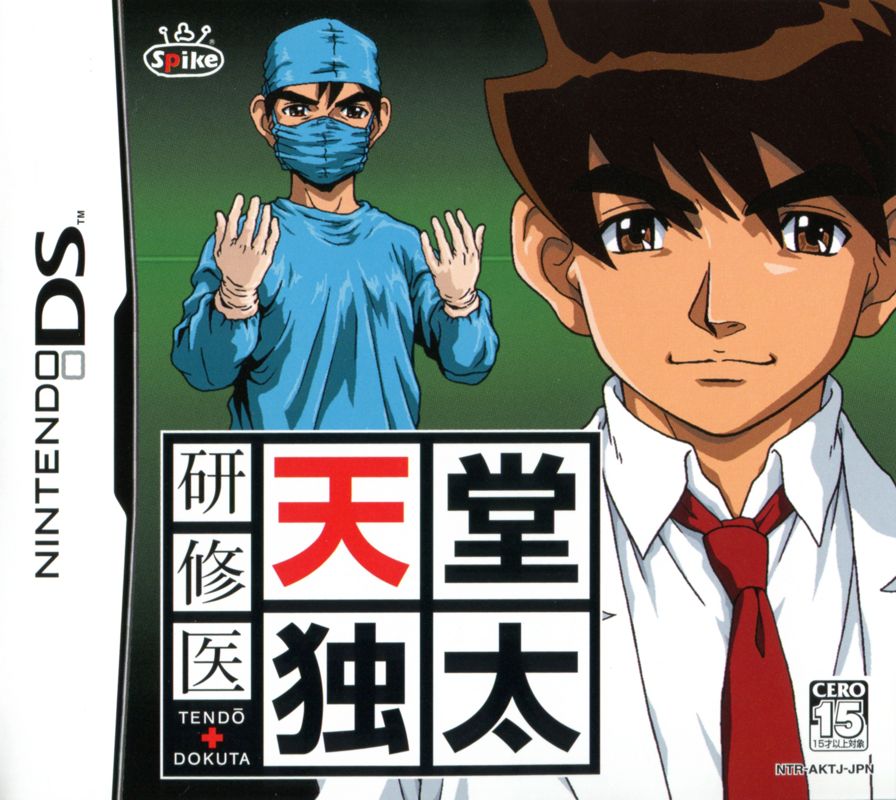
Tendō is a useful protagonist because he begins at the least glamorous point of a medical career. At 25, fresh out of university and short on experience, he has to earn his way through situations where a wrong read can matter. That immediately gives the medical-drama setup more vulnerability than the usual all-knowing doctor story.
The story’s tension comes from uncertainty. Before a patient can be treated, Tendō must first establish what is wrong, and the game ties that uncertainty directly to the conversations you conduct. Diagnosis is not just a backdrop for the drama; it is the route through it.
That premise should particularly suit you if you want a professional drama where listening is part of the character arc. Tendō’s inexperience gives each case a natural reason to feel consequential, even without relying on larger-than-life heroics. It is a modest, focused setup, but a smart one for an adventure game.
Overall Experience
Kenshūi Tendō Dokuta earns its interest through commitment to a simple idea: being a doctor is not merely choosing a cure, but figuring out what a patient is trying to tell you. The rookie angle makes that process more approachable and more tense. You are learning alongside Tendō rather than controlling an expert who has already solved the room.
The payoff is strongest when you enjoy patient, conversation-driven deduction. Treat it as a medical mystery game first and a hospital drama second, and its structure makes sense. Anyone chasing constant action will likely find its pace too reserved, but the focus on clues and diagnoses gives the game a distinct niche.
It is worth a chance for fans of anime-leaning adventure games who want a more human-scale mystery than another murder case or fantasy quest. There is something appealing about a game that asks you to slow down, hear someone out, and make the right call only after you have understood the problem.



Reviews
There are no reviews yet.